2026 Best PVC Extrusions for Global Buyers?
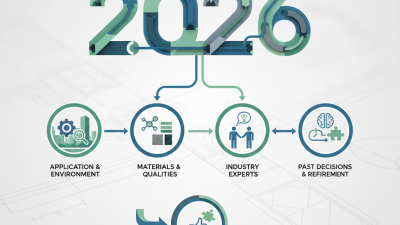
Choosing the 2026 best pvc extrusions requires more than comparing price, color, or catalog thickness. Global buyers need profiles that survive shipping, installation, sunlight, moisture, and repeated handling. The right choice depends on application, climate, compliance, and supplier control.
Industry forecasts show continued growth in PVC demand across construction, infrastructure, windows, doors, and interior systems. Grand View Research identifies construction as a major driver of the global PVC market. Fortune Business Insights also reports steady expansion in PVC-related applications, supported by urban development and renovation activity. However, these reports often measure the wider PVC market, not every extrusion category. That distinction matters.
Look closely at the details. Ask for dimensional tolerances, impact results, weathering data, batch traceability, and test methods. ISO 1163, ASTM D1784, and EN 12608 may support different purchasing requirements. A profile that performs well in a mild climate may warp or discolor under intense ultraviolet exposure. Recycled content can improve resource efficiency, but it may also affect color consistency and mechanical performance. The assumption that “best” always means premium is questionable. Sometimes, a simpler formulation delivers better value and easier processing. Sometimes, it does not.
This guide examines pvc extrusions for windows, doors, cladding, seals, cable management, and industrial assemblies. It compares material design, production experience, quality systems, certification, customization, packaging, and long-term supply reliability. Buyers should verify every claim through samples and independent testing. Specifications deserve evidence. Suppliers do too.
What Are PVC Extrusions and How Are They Used?
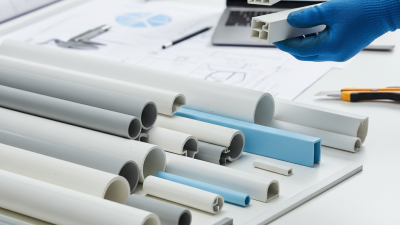
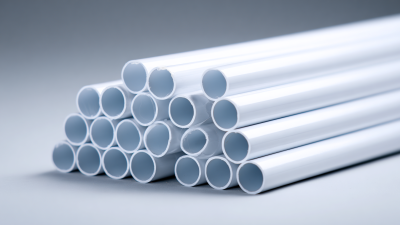
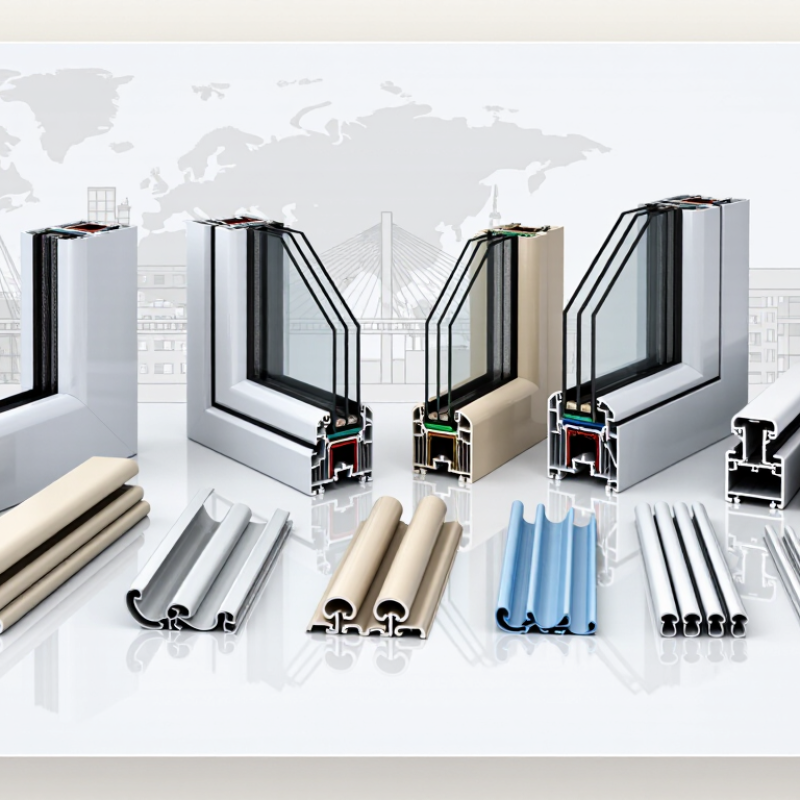
PVC extrusions are continuous profiles formed by pushing heated PVC through a shaped die. Unlike injection-molded parts, they can run for meters with a consistent cross-section. Common forms include channels, tubes, seals, edge trims, window frames, and cable covers. Their value is practical. A rigid profile can guide, protect, separate, or finish an assembly. A flexible formulation can cushion glass edges or close a weather gap.
Manufacturers choose rigid or flexible PVC according to load, movement, temperature, and exposure. For outdoor use, UV stability and controlled impact performance matter. For indoor construction, dimensional accuracy and surface appearance often decide acceptance. Die design affects wall thickness, corners, and cooling behavior. Small changes can create warping. Profiles may pass visual inspection yet fail during installation because the fit is too tight. That weakness deserves attention. Buyers should request drawings, tolerances, test data, and sample lengths before approving volume production.
A reliable specification should state dimensions, hardness, color tolerance, fire performance, and intended environment. It should also identify recycled content, if used, because consistency may change between batches. PVC extrusions are cut, drilled, welded, or assembled with other materials on site. This makes installation simple, but careless cutting leaves sharp edges or uneven joints. Packaging matters too. Long profiles need straight support, dry storage, and protection from crushing during transport. Global buyers should check applicable building, electrical, and chemical requirements in the destination market. Requirements vary. A cheaper profile is not always the lower-cost choice.
Which PVC Extrusion Types Suit Different Global Applications?
For global buyers, PVC extrusion selection should begin with the application, not the lowest quotation. Rigid PVC profiles suit window frames, wall panels, cable trunking, and protective corners. They hold shape well and need limited maintenance. Flexible PVC works better for seals, gaskets, tubing, and edge protection. It bends around uneven surfaces without cracking easily.
Co-extruded profiles combine hard and soft PVC in one part. This structure can create a firm mounting base with a sealing lip. It is useful for doors, refrigeration equipment, and transport interiors.
Foam PVC profiles reduce weight and can support decorative boards or lightweight construction panels. However, foam density affects screw holding and impact resistance. Buyers should request test data, not rely on appearance.
In production reviews, I check profile dimensions, wall thickness, surface finish, and shrinkage after cooling. Small dimensional changes can cause large installation problems. A profile for outdoor use may need UV and weathering evaluation. Indoor electrical applications may require different fire performance evidence. Requirements vary by destination market. Local standards also differ more than many purchasing teams expect.
The choice is not always clean. A flexible compound may seal well but attract dust. A rigid profile may look precise but fail under repeated impact. Samples should face heat, cold, moisture, and assembly trials before volume orders.
One overlooked detail remains common: packaging. Bent profiles create waste before installation even begins.
How to Evaluate PVC Extrusion Quality and Performance
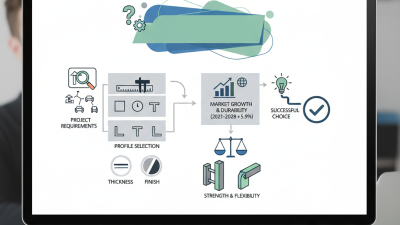
Choosing the best PVC extrusion starts with measurable quality, not attractive samples. Inspect the profile under steady light for scratches, bubbles, discoloration, and uneven edges. Check wall thickness at several points with a caliper. Small variations may cause weak joints or installation problems. A reliable supplier should provide resin specifications, production records, and test reports from qualified laboratories. Ask about impact strength, dimensional stability, heat resistance, and UV performance. These properties matter when profiles face sunlight, moisture, or repeated handling.
Tips: Request samples from different production batches. Measure them yourself. Compare results with the approved drawing. Test fit with the intended connector or panel. Do not judge quality by weight alone.
In practical evaluations, I have found that a glossy surface can hide internal stress. A profile may look excellent but crack after bending or cold storage. Check the recommended processing temperature and storage conditions. Review tolerance limits in writing, especially for long profiles shipped across climates. Color consistency also deserves attention; slight changes may indicate unstable processing or mixed materials. Independent testing adds confidence, but it cannot replace your own inspection. One common mistake is trusting a single sample. Real production can vary. Ask how nonconforming pieces are identified and handled. Clear traceability, consistent measurements, and honest answers usually reveal more than polished sales language.
How Global Buyers Can Evaluate PVC Extrusion Quality
The chart presents representative reference ranges commonly used when reviewing rigid PVC extrusion production. Stable melt and die temperatures, controlled cooling, consistent wall thickness, and steady haul-off speed are important indicators of dimensional accuracy, surface quality, and long-term performance. Actual limits depend on the PVC formulation, profile design, equipment, applicable standards, and product class.
Reference basis: typical rigid PVC extrusion processing practice and quality-control considerations from standards including EN 12608-1, ISO 1163, and ASTM D1784. These ranges are screening references rather than universal acceptance limits.
What Standards Govern PVC Extrusions in International Markets?
For 2026, the best PVC extrusions are not simply the cheapest profiles. They must match the destination market’s technical rules, climate, and application. There is no single global PVC extrusion standard. Buyers usually compare ISO, EN, ASTM, and national requirements before approving a supplier.
EN 12608-1 covers unplasticized PVC profiles for windows and doors, including dimensional tolerances, weather resistance, and impact performance. ASTM D1784 classifies rigid PVC compounds by strength and processing properties. ASTM D3678 addresses rigid PVC siding. These standards do not automatically replace local building codes. A profile passing one test may still fail another market’s fire or thermal requirement.
Check the compound first. ISO 1163-1 helps identify PVC-U material systems, while test reports should show color stability, heat reversion, tensile strength, and low-temperature impact results. European buyers may also review REACH obligations, and electrical applications can involve RoHS limits. These rules are application-specific. Confusion is common.
Mordor Intelligence’s 2024 PVC market analysis projects continued volume growth through 2029, increasing pressure on consistent quality and traceability. Grand View Research also identifies construction as a major PVC demand sector. In practice, request batch numbers, calibration records, and accelerated weathering data. Ask for the actual test method, not only a compliance statement. Some suppliers provide impressive certificates but weak production evidence. That deserves a second look.
How to Select a Reliable PVC Extrusion Supplier in 2026
Global buyers need more than a low PVC extrusion price in 2026. Supplier reliability begins with material control. Ask about resin grades, stabilizers, recycled content, and batch traceability. A capable supplier should provide dimensional reports and test records. Check hardness, impact resistance, color consistency, and weathering performance for your application. Tolerances must be written clearly, not discussed casually. Small gaps can cause serious installation problems.
Tips: Request samples from different production batches. Measure them with your own tools. Review the supplier’s tooling experience, monthly capacity, and quality process. Confirm lead times in writing. Ask how they handle rejected profiles and corrective actions. A factory visit or independent inspection can reveal more than a sales presentation.
Do not judge reliability from one attractive sample. A polished piece can hide unstable extrusion settings. I once saw a profile pass a visual check but fail after heat exposure. That mistake changed the evaluation process. Buyers should request aging tests, packing details, and loading photographs before shipment. Clear communication matters too. The supplier should answer technical questions directly and admit limitations. Vague promises create expensive delays. Production records, inspection plans, and consistent contact points build stronger evidence. Price still matters, but an unusually low offer deserves careful review. Could the material, tooling, or inspection be weaker? Ask before committing.