2026 How to Choose the Best Plastic Extrusion Profiles?
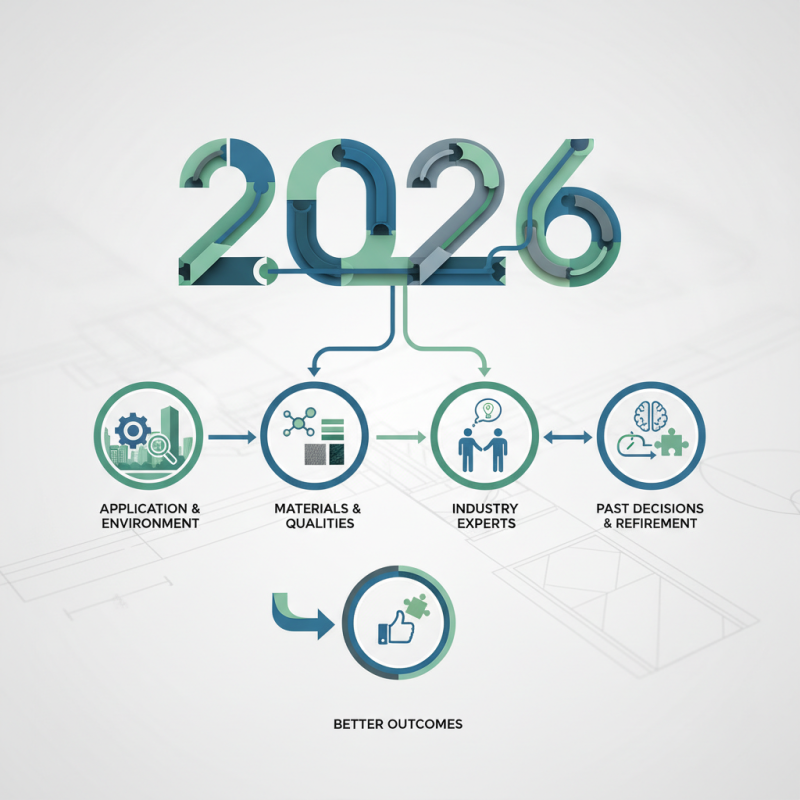
When selecting the best plastic extrusion profiles, it’s crucial to consider various factors. Understanding the specific application and environment can greatly influence the choice. Different industries have unique requirements, such as durability, weight, and aesthetic appeal.
Researching materials and understanding their qualities is essential. Not all plastic extrusion profiles are made the same. Some may perform better in certain conditions, while others may not meet the necessary standards. It is important to consult industry experts to gain insights into suitable options.
Reflecting on past decisions can help in refining the selection process. Mistakes often occur due to inadequate research or unclear specifications. By addressing these aspects, one can enhance the decision-making process when choosing plastic extrusion profiles. Ultimately, careful consideration leads to better outcomes.
Understanding Plastic Extrusion Profiles and Their Applications
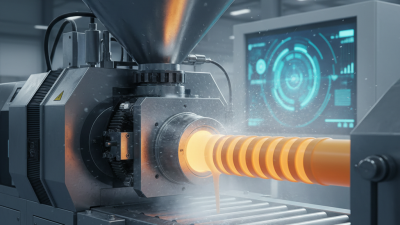
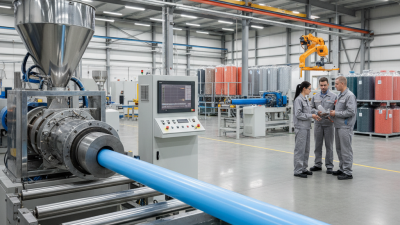
Plastic extrusion profiles are essential in various industries. These profiles are created by forcing heated plastic through a mold. They are widely used in construction, automotive, and consumer products. According to a report by the Freedonia Group, the global market for plastic extrusion is expected to reach $283 billion by 2026. This growth speaks volumes about their importance.
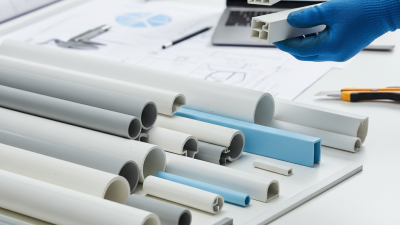
Understanding the applications of plastic extrusion profiles helps in selecting the right type for projects. For instance, they can serve as window frames, tubing, and insulation. Each application demands specific properties, such as strength, flexibility, and thermal resistance. Research indicates that over 40% of plastic extrusion is used for building materials, emphasizing the need for durability and cost-effectiveness. Users often overlook the importance of mechanical properties, which can lead to subpar performance.
Despite the many advantages, imperfections can surface during the extrusion process. These include warping, surface defects, and dimensional inaccuracies. Proper quality control is vital to minimize these issues. Some industries still face challenges like inconsistent material quality and supply chain delays. Balancing cost and quality remains a key concern. Continuous improvements are needed in material selection and processing techniques.
2026 Plastic Extrusion Profiles Usage Insights
This bar chart illustrates the percentage of usage of various plastic extrusion profiles across different applications in 2026. Automotive applications lead in usage at 35%, followed by construction and consumer goods. Medical and electronics applications show equal usage at 10% each.
Key Factors to Consider When Choosing Plastic Extrusion Profiles
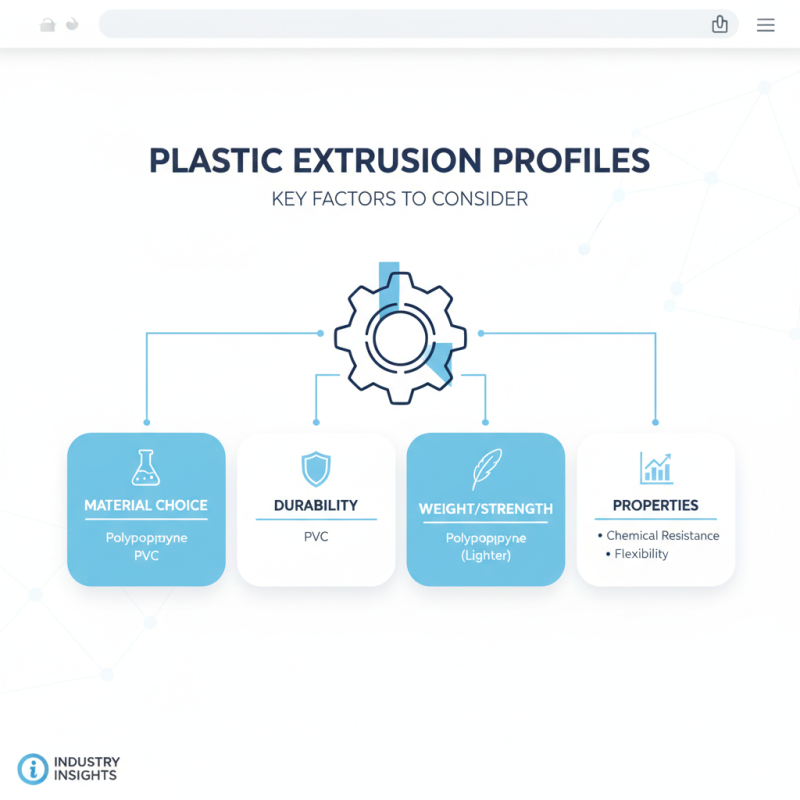
When selecting plastic extrusion profiles, several key factors come into play. Material choice is critical. According to industry research, polypropylene and PVC are among the most common materials. Each has unique physical properties. For instance, PVC is known for its excellent durability, while polypropylene shines in lighter applications.
Process capabilities also matter. The extrusion method can influence strength and flexibility. Different techniques may yield variations in profile tolerances. A report from the American Society for Testing and Materials reveals that extruded products can have dimensional changes of up to 10% based on the processing method. Tight tolerances are essential for applications requiring precise fit.
Finally, the end-use application influences profile selection. Factors like environmental exposure and load requirements must be analyzed. A misstep here can lead to structural failures. Research shows that more than 25% of extrusion issues arise from improper material or profile choice. Understanding these dynamics is crucial for making informed decisions in plastic extrusion.
Different Types of Plastic Materials Used in Extrusion Profiles
Choosing the right plastic materials for extrusion profiles is critical. Different materials suit different applications. Polyvinyl Chloride (PVC) is widely used due to its versatility. It can be rigid or flexible, making it suitable for pipes, fittings, and framing.
Another common material is Polyethylene (PE). It offers excellent chemical resistance and low friction. It is often used in packaging and containers. However, it may not perform well in high-temperature applications. Polypropylene (PP) stands out for its lightweight and durable nature. It's popular in automotive and consumer goods but can be sensitive to UV light over time.
A range of other materials exists too. For instance, Polystyrene (PS) is often preferred for its clarity and ease of processing. It's less durable than other options, though. Selecting the right material requires understanding specific requirements. Consider aspects such as strength, temperature resistance, and environmental conditions. Reflecting on these choices can lead to more informed decisions in plastic extrusion.
Assessing Quality and Durability in Plastic Extrusion Profiles
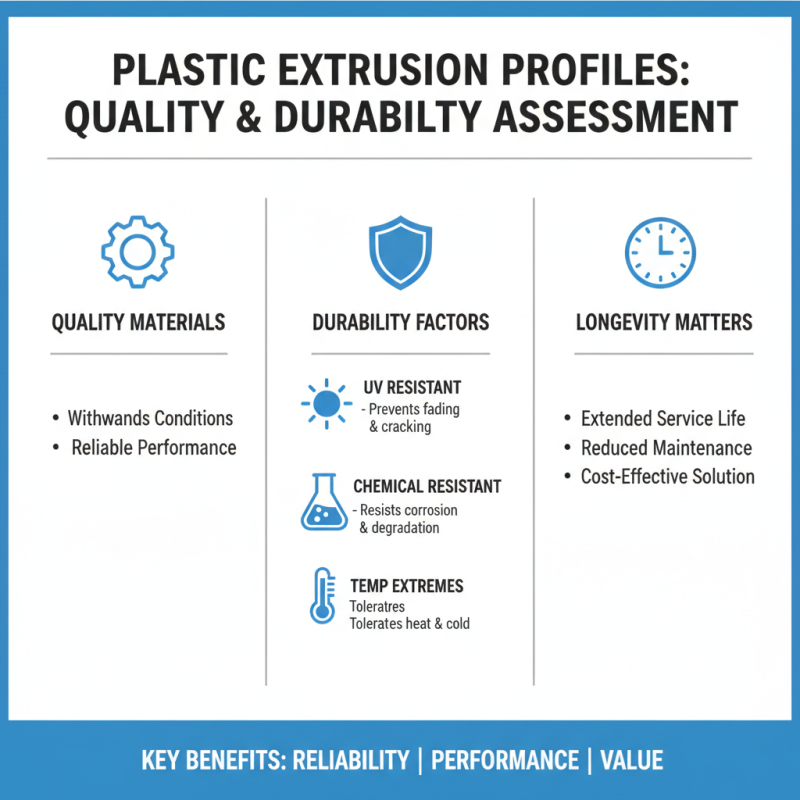
When selecting plastic extrusion profiles, assessing quality and durability is crucial. Quality materials ensure the profiles can withstand various conditions. Look for profiles that are resistant to UV rays, chemicals, and temperature extremes. These elements significantly affect longevity and performance.
Tips: Always request samples before making a bulk order. This helps evaluate the texture, flexibility, and resilience of the profiles. Don't hesitate to consult with manufacturers about their material sourcing. Knowledge of materials can reveal insights into their durability.
Another aspect to consider is the manufacturing process. Profiles should undergo rigorous quality control checks. This includes testing for consistency and dimensional accuracy. Profiles failing to meet standards may lead to functional problems later. Ask for detailed specifications to understand the standards implemented during production.
Tips: Document your specifications clearly before approaching manufacturers. Having a well-defined list can facilitate communication. It also helps in getting accurate quotes and timelines. Engaging multiple suppliers for comparisons can provide insight into market standards and pricing.
Cost-Effectiveness and Budget Considerations in Selection
When selecting plastic extrusion profiles, cost-effectiveness is crucial. Understanding your budget helps in narrowing down choices. A careful analysis of material costs is essential. Some materials may seem cheaper initially but require more frequent replacements. This can inflate long-term expenses.
Consider the manufacturing process as well. Not all profiles are produced in the same way. Different techniques can impact both costs and quality. For instance, some processes might produce waste, leading to higher expenses. Evaluating these aspects can prevent overspending. It’s wise to assess the total cost of ownership rather than just upfront prices.
Moreover, think about potential hidden costs. These can include shipping fees and storage expenses. Sometimes, opting for local suppliers may reduce costs significantly. However, always balance cost with quality. A cheaper profile might not meet your performance standards, resulting in additional headaches. Review your priorities carefully because value isn't just about price.