How to Choose the Best PVC Extrusions for Your Project?
Choosing the best PVC extrusions for your project is crucial. The right selection can impact both performance and cost-efficiency. According to a report by MarketsandMarkets, the global PVC extrusion market is projected to reach USD 31.3 billion by 2026, highlighting its growing importance.
Industry expert Dr. John Smith emphasizes, “Selecting quality PVC extrusions can enhance project durability while reducing long-term costs.” This insight underscores the necessity of understanding specific project needs. A reliable selection ensures proper installation and functionality.
However, not all PVC extrusions are created equal. Some may not meet industry standards. It is essential to navigate the options carefully and seek expert advice. Conducting thorough research is key. To avoid common pitfalls, consider factors like material grade and supplier reputation. Your project's success may depend on these decisions.
Understanding PVC Extrusions and Their Applications
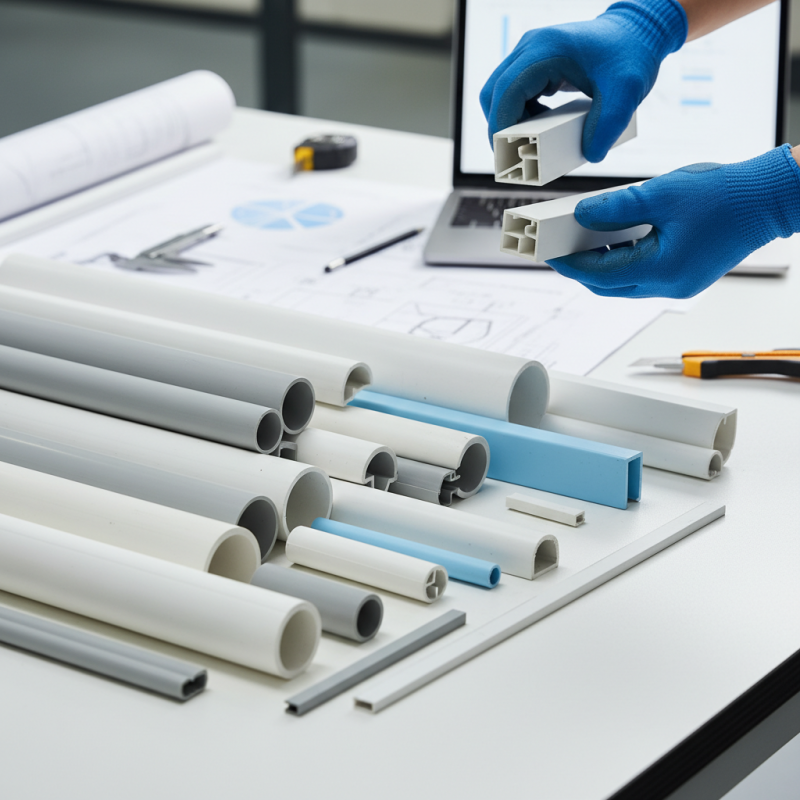
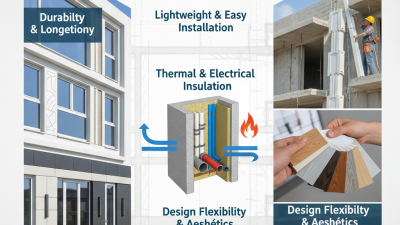
PVC extrusions are versatile materials widely used in construction and manufacturing. Their applications range from window frames to plumbing. Understanding how to choose the best PVC extrusion for your project can enhance functionality and aesthetics.
Tips: Consider the load-bearing capacity and flexibility required for your application. Different projects may demand different specifications. For example, thicker profiles provide enhanced strength, but may be less flexible. The color and finish also impact the visual outcome.
When selecting PVC extrusions, think about the environment where they will be used. Will they be exposed to harsh weather? High UV exposure can degrade some types of PVC over time. It’s important to assess durability. Always seek reliable sources for technical data sheets. They can provide essential insights into the material’s performance.
While exploring options, keep in mind that not all extrusions are created equal. Some may not meet safety or performance standards. Research thoroughly. Verification of supplier credentials can save future headaches. Scrutinizing the quality is crucial for ensuring long-lasting results.
Evaluating the Specifications of PVC Extrusions for Your Project
When selecting PVC extrusions, evaluating their specifications is crucial to ensure they meet your project needs. Key factors to consider include material thickness, UV resistance, and thermal stability. According to recent industry reports, the demand for high-performance PVC has surged by 15% annually. This trend highlights the importance of choosing suitable specifications for durability.
Tip: Always ask for technical data sheets. These sheets provide specific information on tensile strength, elongation, and impact resistance. Understanding these properties can lead to better project outcomes.
Another important aspect is the intended application. For instance, exterior applications require higher UV stability. A study by the Plastics Industry Association shows that PVC materials with enhanced UV resistance can last over 25 years in outdoor environments. However, not all extrusions are created equal. Some may look good on paper but fail under real-world conditions.
Tip: Consult with industry experts whenever possible. They can offer insights based on hands-on experience, which can help steer you toward better decisions. Reflect on the environmental conditions your project faces. If you're unsure, more robust specifications may save costs in the long run.
Identifying Quality Indicators in PVC Extrusion Products
When selecting PVC extrusions, quality indicators play a crucial role. Look for clear, smooth surfaces. Any visible imperfections indicate poor manufacturing processes. These flaws can compromise your project's integrity and longevity. Consistency in thickness is another vital sign. Irregularities can lead to warping or cracking during installation.
Evaluate the physical properties of the PVC materials available. A robust extrusion should have good flexibility but maintain its shape under stress. Consider the color and texture as they reflect the quality of raw materials used. Colors should be uniform, with no signs of fading. Check for any discoloration, which might suggest chemical instability over time.
Testing certifications is essential for ensuring reliability. Quality extrusions often come with industry-standard certifications. Lack of such documentation may raise concerns about the extrusion's durability and safety. Remember, investing time in evaluating these aspects can drastically impact your project's success. Always seek proof of testing to confirm what is claimed by the supplier.
How to Choose the Best PVC Extrusions for Your Project? - Identifying Quality Indicators in PVC Extrusion Products
| Quality Indicator |
Description |
Importance Level |
| Material Grade |
PVC used should meet industry standards such as ASTM or ISO. |
High |
| Surface Finish |
Smooth finishes indicate higher quality and aesthetic appeal. |
Medium |
| Dimensional Accuracy |
Precision in measurements is crucial for fitting and assembly. |
High |
| Color Consistency |
Consistent color throughout ensures quality and visual uniformity. |
Medium |
| Thermal Stability |
Material should resist warping and retain integrity under heat. |
High |
| Impact Resistance |
Ability to withstand shocks without cracking or breaking. |
Medium |
| UV Resistance |
Resistance to fading and degradation from sunlight. |
High |
Considering Environmental Factors for PVC Extrusion Selection
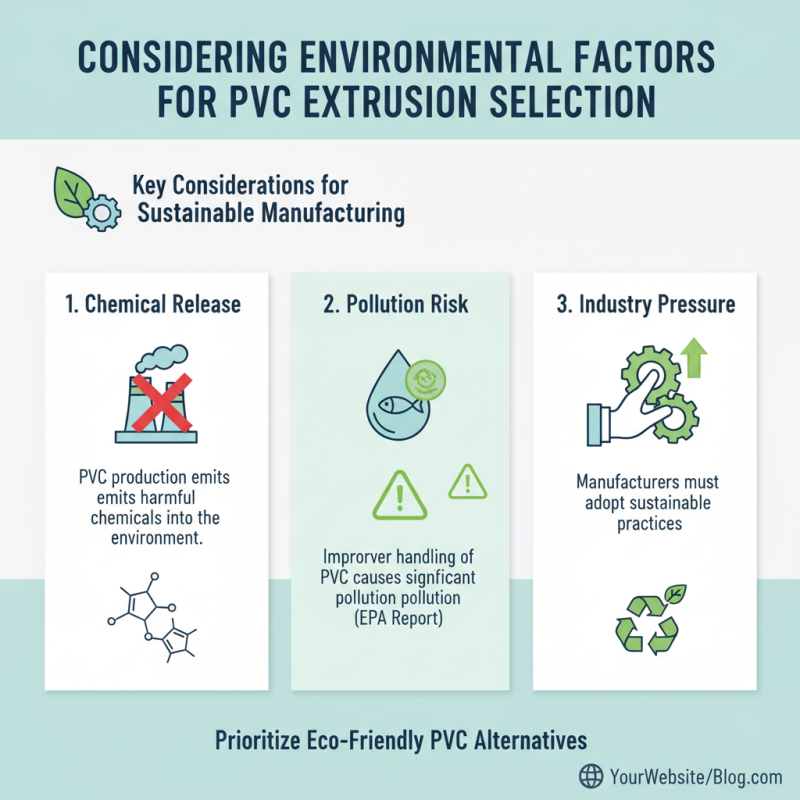
When selecting PVC extrusions, environmental impacts must be a priority. PVC production releases harmful chemicals. According to a report by the Environmental Protection Agency (EPA), improper handling of PVC can lead to significant pollution. These concerns place pressure on manufacturers to adopt more sustainable practices.
Recyclability is a crucial factor in extrusion selection. Research indicates that over 50% of PVC products can be recycled efficiently. This reduces waste significantly. However, many facilities are not equipped for such processes. Therefore, it is essential to check if local recycling options are available for your project. Understanding the lifecycle of PVC can lead to better choices.
Another aspect to consider is the sourcing of materials. Many extrusions contain additives that can affect their environmental footprint. Seeking materials with minimal additives can mitigate this issue. However, this isn’t always straightforward. Balancing durability and environmental impact can be a reflection point in your decision-making process. The transparency of suppliers concerning their environmental practices will be a key indicator of reliability in your selection.
Consulting Experts: When to Seek Professional Advice on PVC Choices
Choosing the right PVC extrusions for your project can be overwhelming. Sometimes, seeking professional advice is crucial. Experts can provide insights that enhance your decisions. They consider factors like performance, cost, and durability. Engaging with them might seem like an extra step, but it often saves time and money.
Consulting professionals can reveal common pitfalls. For instance, some extrusions may not suit specific environments. You might overlook the material’s resistance to chemicals or UV exposure. An expert can guide you through these nuances, ensuring you avoid subpar choices. Their experience helps in identifying the right specifications for your application.
However, it’s essential to communicate your needs clearly. Incomplete information can lead to misaligned recommendations. The best professionals will ask questions to understand your project fully. A productive dialogue is vital. While it can feel tedious, sharing your budget and goals helps refine options. This proactive approach ultimately leads to selecting the best PVC extrusions.
Choosing the Best PVC Extrusions: Factors to Consider