What Are the Top Types of Acrylic Cylinder Tubes?

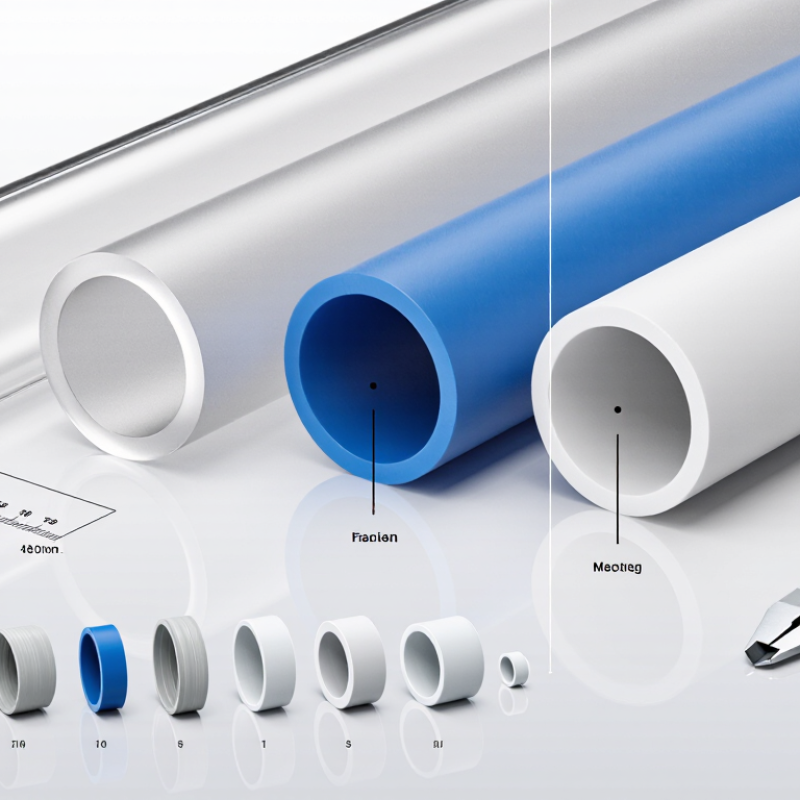
An acrylic cylinder tube may look like a simple clear sleeve, but its material, finish, and manufacturing method affect how it performs. Buyers commonly compare clear, colored, frosted, and opaque tubes, along with cast and extruded options. Each type suits different priorities. Clear acrylic helps display products, while frosted surfaces soften light and reduce direct visibility. Colored tubes can add contrast, though tint may change how contents appear.

Manufacturing matters, too. Cast acrylic is often chosen for optical clarity and consistent presentation; extruded tubing can be a practical option when dimensions and cost are key considerations. That distinction is easy to miss. Wall thickness, outside diameter, length, and edge quality also influence fit and handling. A tube intended for a display case may need different specifications from one used in a lighting project or protective cover. “Best” is not universal. Before choosing, check the supplier’s dimensional tolerances and product data, and confirm that the tube suits the intended environment. Acrylic can scratch, and its performance varies with grade and construction. A quick visual check is useful, but it cannot replace verified specifications. The sections ahead compare the main types and explain what to consider when selecting an acrylic cylinder tube for a specific application.
What Are the Top Types of Acrylic Cylinder Tubes?

Clear Cast Acrylic Cylinder Tubes

What Are the Top Types of Acrylic Cylinder Tubes?

Clear Cast Acrylic Cylinder Tubes

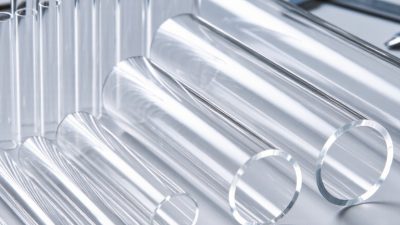
Clear cast acrylic cylinder tubes combine glass-like visibility with lower weight and easier fabrication. They suit display cases, light covers, laboratory organizers, and architectural details where a clean view matters. Cast acrylic is often selected for its optical clarity and comparatively low internal stress, though quality depends on the maker and tube dimensions. A clear tube is not automatically distortion-free.

Grand View Research estimated the global acrylic sheets market at about USD 4.4 billion in 2023 and forecast growth through 2030. That report covers sheets, not cylinder tubes, so it signals broader acrylic demand rather than tube-specific sales. For buyers, practical checks matter more: inspect the tube under angled light, measure the inner and outer diameters, and confirm that the wall thickness suits the load. Small details matter. I would not choose a tube by appearance alone; a polished sample can hide sizing or machining issues.

Tips: Ask for the stated diameter tolerance and a sample cut before ordering. Check whether the tube is cast, and confirm that cutting or drilling will not compromise its intended use. Keep the protective film on during handling, then remove it before final inspection.

Clear Extruded Acrylic Cylinder Tubes

Clear extruded acrylic cylinder tubes are valued for their transparency, consistent shape, and practical availability in many sizes. Their smooth walls let light pass through, making them useful for display covers, protective sleeves, light fixtures, and simple observation projects. They can often be cut to length with suitable workshop tools, though clean edges still require care. That matters.

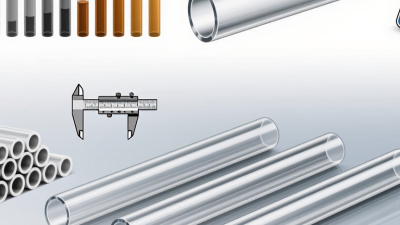
When choosing a tube, check its outer diameter, inner diameter, and wall thickness—not just its overall size. These measurements determine whether a component will slide inside or fit around the tube. One detail is easy to overlook: a clear tube may show faint extrusion lines when viewed under angled light. Inspect a sample in the lighting where it will be used. Also check for scratches, cloudy patches, and uneven ends. Extruded acrylic is generally a practical option for straightforward shapes, but it may not suit every precision or optical application. Fit can be imperfect. If the tube will carry stress or need a close seal, test the actual material and dimensions before committing to a full assembly.

What Are the Top Types of Acrylic Cylinder Tubes?

Typical visible-light transmission reference for clear acrylic tube types

Clear extruded and clear cast acrylic are common tube types. Clear acrylic typically transmits about 92% of visible light; this is a general material reference, not a guaranteed tube specification. Actual transmission varies with wall thickness, grade, and surface condition.

Colored and Tinted Acrylic Cylinder Tubes

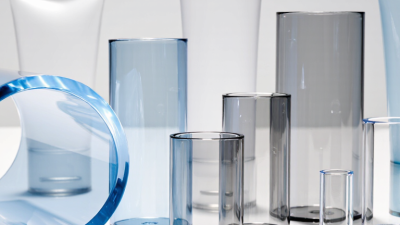
Colored and tinted acrylic cylinder tubes add color without hiding every detail inside the tube. Light smoke tints soften glare, while saturated colors create clearer visual accents in displays, lighting, and protective covers. The effect depends on wall thickness, pigment, and light direction. A tube that looks bright in a showroom may appear much darker against a shaded background.

Grand View Research estimated the global polymethyl methacrylate market at about USD 5.3 billion in 2023, with projected growth through 2030. This figure covers PMMA broadly, not cylinder tubes alone, so it should not be read as a tube-demand forecast.

In fabrication, check whether color runs through the material or comes from a surface coating; the former usually keeps cut edges consistent. That distinction matters. Test a short sample under the actual LEDs before ordering, since warm light can muddy some tints.

Also inspect the finished edge: sanding and polishing may change how color appears. A small mismatch can be frustrating, and specifications rarely capture every lighting condition.

Frosted and Textured Acrylic Cylinder Tubes

Frosted and textured acrylic cylinder tubes soften glare while keeping a display visually open. Their matte surfaces scatter light, creating a gentle glow around flowers, LED strips, or small product displays. Fine frosting gives an even finish; deeper grooves add visible shadow and grip. The trade-off is reduced clarity. Details behind the tube may look blurred, especially under strong side lighting.

Clear PMMA can transmit about 92% of visible light, while surface treatments change how that light travels. ASTM D1003 measures luminous transmittance and haze, useful when comparing samples rather than relying on appearance alone. PlasticsEurope’s Plastics – the Fast Facts 2024 reports 413.8 million tonnes of global plastics production in 2023. That figure covers plastics broadly, not acrylic tubing specifically—a limitation worth keeping in view.

For a real installation, inspect the tube under its intended lighting. A frosted cylinder may hide wiring, but it can also make a bright light source appear uneven. Textured walls can collect dust in their grooves, so cleaning access matters. Small samples first. Measure wall thickness, outside diameter, and haze where consistency is critical; a finish that looks subtle in a showroom may feel too cloudy at home.

Thick-Wall and Large-Diameter Acrylic Cylinder Tubes

Thick-wall acrylic cylinder tubes suit projects that need extra rigidity, deeper machining, or a more substantial visual profile. Their added material can help limit flex under handling, but it does not make a tube unbreakable. Acrylic can crack if a part is clamped too tightly or drilled without suitable support. Slow, controlled machining matters. So does checking the tube for chips before installation.

Large-diameter tubes create different design questions. Their wide openings can accommodate displays, guards, or fluid observation, while the increased span may call for more support. A tube that looks sturdy on a workbench can still bow when mounted across a long distance. Measure the outer diameter, inner diameter, length, and wall thickness; small mismatches can complicate fittings. Clear acrylic also shows scratches and internal stress more readily than many people expect. That can be frustrating. Consider how the tube will be cleaned and handled, not just how it looks on day one. Thicker walls may add weight and cost, so they are not automatically the right choice. I would verify the load, mounting points, and machining needs before specifying a size. One detail is easy to overlook: the finished assembly, not the tube alone, determines how well the design performs.