How to Choose the Right Plastic Channel for Your Project?
Choosing the right plastic channel for your project can be challenging. The variety available in the market often leads to confusion. Understanding your project’s specific needs is crucial. A plastic channel must fit perfectly, both in function and aesthetics.
Consider the dimensions and thickness of the plastic channel. These factors can impact durability and flexibility. For example, a thicker channel may withstand heavier loads but could be less flexible. Also, think about the environment where it will be used. Will it be exposed to chemicals or extreme temperatures? These elements can significantly influence your decision.
Consult experts in the field for advice. Their experience can clarify doubts. However, don’t forget to explore and experiment. Sometimes, making choices without all the answers can lead to surprising solutions. Balancing your project requirements with the available options is essential. Remember, the right choice can enhance your project’s success and functionality.
Understanding the Different Types of Plastic Channels Available
When selecting plastic channels, understanding the different types available is crucial. Numerous plastic materials cater to various applications. Common options include PVC, polycarbonate, and polypropylene. Each type has unique properties and benefits.
PVC channels are lightweight and cost-effective, while polycarbonate offers higher impact resistance. Polypropylene is known for its durability and chemical resistance.
According to a recent industry report, PVC holds approximately 45% of the plastic channel market share due to its versatility. However, the choice of material can significantly influence project outcomes. For instance, polycarbonate's clarity makes it ideal for applications needing visibility. This reflects how specific project requirements can lead to different material choices.
It's essential to consider environmental factors, such as UV exposure or chemical interactions. Reports indicate that sunlight can degrade certain plastics, affecting their lifespan. Choosing the wrong channel can lead to costly failures and delays. Therefore, assessing project demands against plastic channel options remains vital. This nuanced approach fosters informed decision-making and successful project execution.
Key Factors to Consider When Selecting a Plastic Channel
When selecting a plastic channel, consider your project's specific requirements. One critical factor to evaluate is the environmental conditions the channel will face. According to industry reports, over 70% of plastic failures in projects are due to environmental stress. Temperature, humidity, and UV exposure can significantly affect material longevity.
Material choice is another crucial element. Different plastics offer varying levels of strength, flexibility, and chemical resistance. For instance, polycarbonate provides high impact resistance, while PVC tends to be more economical and easier to work with. A survey revealed that about 60% of industry professionals prefer polycarbonate for outdoor applications.
Lastly, consider the channel's intended function. Will it hold heavy loads or resist certain chemicals? This determination can shape your decision. Make sure to consult technical data sheets for precise specifications. While these pieces of information provide a foundation, they may not encapsulate every scenario. Engaging with experts or industry professionals can offer invaluable insights. Adaptation and testing are key; what works in theory may not perform as expected.
Evaluating Material Properties for Your Project’s Needs
When selecting a plastic channel for your project, understanding material properties is essential. Different plastics have unique strengths and weaknesses. For example, polycarbonate offers high impact resistance, while acrylic is more transparent and lightweight. Consider the specific demands of your application. Are you working in extreme temperatures?
Another factor to think about is chemical resistance. Not all plastics handle solvents or acids well. Choosing the wrong material could lead to failure over time. It’s crucial to match the plastic’s properties with the environmental stresses it will face. Testing samples can help reveal how materials behave in real-world scenarios.
Additionally, think about aesthetics and flexibility. A plastic channel may need to fit a particular visual design while also being functional. Sometimes, the largest obstacle can be finding that perfect balance. Do you need a rigid structure, or is flexibility important? Reflecting on these aspects can lead to better decision-making in your project.
How to Choose the Right Plastic Channel for Your Project? - Evaluating Material Properties for Your Project’s Needs
| Material |
Density (g/cm³) |
Tensile Strength (MPa) |
Temperature Resistance (°C) |
Chemical Resistance |
| PVC |
1.4 |
50-70 |
60 |
Moderate |
| Polycarbonate |
1.2 |
60-70 |
120 |
Good |
| Acrylic |
1.19 |
70-90 |
80 |
Poor |
| HDPE |
0.95 |
27-38 |
120 |
Excellent |
| PP (Polypropylene) |
0.90 |
30-40 |
100 |
Good |
Assessing Functional Requirements for Plastic Channels
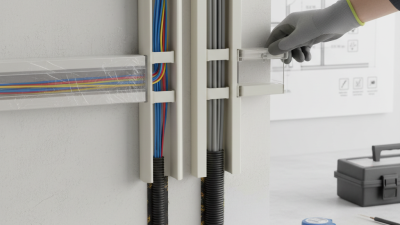
When choosing a plastic channel for a project, understanding its functional requirements is crucial. These channels often serve as conduits for electrical wiring, plumbing, or structural support. According to industry reports, over 50% of construction projects experience delays due to inadequate material specifications. This highlights the need for careful assessment.
Consider the environment where the channel will be used. Factors such as temperature, humidity, and exposure to chemicals can significantly impact material performance. For instance, UV exposure can degrade some plastics, leading to failure. Research indicates that UV-resistant plastics increase longevity by up to 30%, making them a favorable choice in outdoor applications.
Another factor to assess is load-bearing capacity. Each plastic channel has a specific strength rating. Miscalculating these requirements can lead to safety hazards. In the electrical sector, it’s reported that improper channel selection contributes to 15% of fire hazards. Balancing specific project demands with the characteristics of available materials is essential yet often overlooked. This area of design can be complex, requiring iterative testing and adjustments.
Cost Considerations and Budgeting for Your Plastic Channel Choice
When considering the right plastic channel for your project, budgeting is key. Prices can vary significantly based on materials and specifications. A basic channel might cost less, but it may not offer the durability you need. Think about long-term costs versus short-term savings. Investing in higher quality can reduce replacement frequency, ultimately saving money.
Next, it’s essential to assess your project’s demands. Are you looking for flexibility or strength? Different projects will require different characteristics. Account for installation expenses as well. Some channels may be easier to install, reducing labor costs. On the other hand, others might require specialized tools or extra workforce, which could inflate your budget.
Don’t overlook the hidden costs as well. Transportation fees could impact your overall spending. Ensure you account for these details. It’s a crucial step that might be neglected during planning. Balancing your project needs with your budget may involve compromises. Reflect on what features you truly need versus what is simply nice to have.