What is the Best Plastic Channel for Your Sourcing Needs?
In the evolving landscape of manufacturing and construction, choosing the right plastic channel is crucial. Renowned expert in polymer engineering, Dr. Emily Carter, states, "The right plastic channel can enhance both durability and efficiency in a project." This insight highlights the significance of selecting an appropriate channel tailored to specific needs.
Plastic channels come in various shapes and sizes. Each type offers unique benefits. Some are designed for strength, while others prioritize flexibility. Understanding these differences can prevent costly mistakes. When sourcing, consider the project requirements carefully. Ignoring the nuances may lead to suboptimal outcomes.
The right channel can mean the difference between success and failure. Don’t overlook the importance of expert advice. Experts can guide you through selecting the ideal material. In a market saturated with options, informed choices are vital. Quality plastic channels contribute significantly to a project’s overall performance.

Understanding the Different Types of Plastic Channels Available in the Market
Plastic channels come in various types, each tailored for specific applications. Understanding these distinctions is crucial for making informed sourcing decisions. For instance, PVC channels are renowned for their durability and resistance to chemicals, making them ideal for industrial settings. According to a report by Smithers Pira, the demand for PVC products in North America is projected to grow by 4.2% annually through 2025.
On the other hand, polycarbonate channels offer excellent impact resistance and clarity. They're often used in applications requiring transparency, such as safety shields or light covers. A recent industry analysis highlighted polycarbonate as one of the fastest-growing segments, with forecasted growth rates of over 6% in specific sectors. However, potential users should be aware that polycarbonate can be more expensive than its counterparts, prompting careful cost-benefit analysis.
There are also specialized channels like HDPE, which excels in moisture resistance. This makes it suitable for outdoor applications. Yet, some sourcing managers find it challenging to balance performance and budget. Reflecting on these choices can help businesses align their procurement strategies with operational needs while considering long-term sustainability.
Key Factors to Consider When Sourcing Plastic Channels for Applications
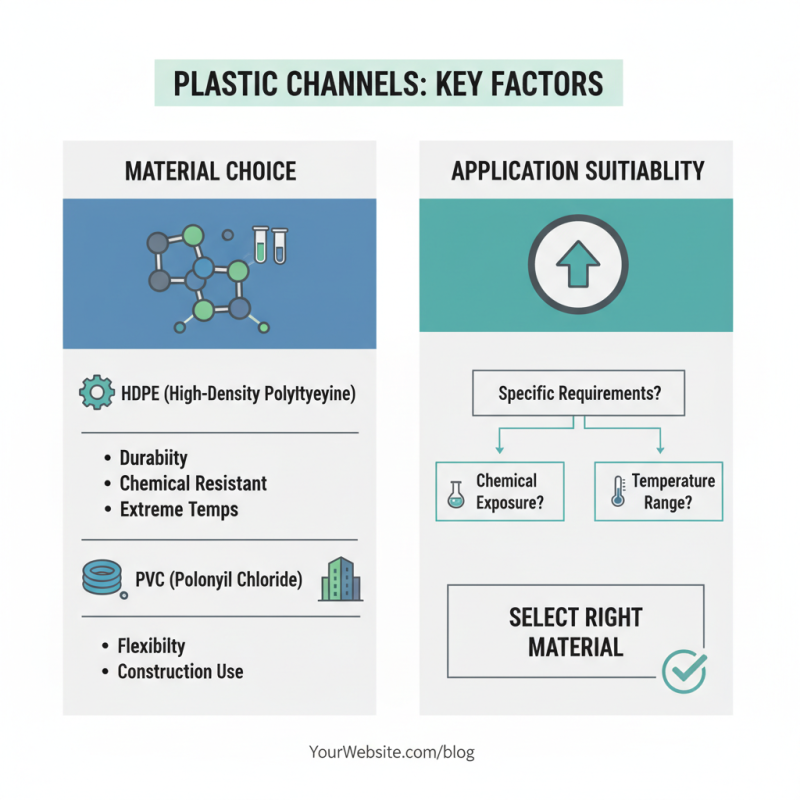
When sourcing plastic channels, several key factors can significantly influence your decision. Material choice plays a crucial role. High-density polyethylene (HDPE) is popular for its durability and resistance to chemicals. Research shows that HDPE can withstand extreme temperatures, making it suitable for various applications. On the other hand, polyvinyl chloride (PVC) offers great flexibility and is often used in construction. Understanding the specific requirements of your application helps in selecting the right material.
Another factor to consider is the thickness and size of the channel. For instance, a report from the Plastics Industry Association indicates that thicker channels provide better load-bearing capabilities. However, they may not always be necessary for less demanding tasks. Always assess the weight and volume of materials the channel will support. Accurate measurements prevent costly mistakes.
**Tip:** if uncertain, consult with a specialist to ensure you're making the right choice.
Lastly, think about the environment where the channels will be used. Exposure to UV light or extreme weather can impact longevity. A quick evaluation of the working environment aids in establishing the best product profile.
**Tip:** Test samples before committing to large orders. This can save time and resources down the line.
Comparative Analysis of Material Strength and Durability in Plastic Channels
When exploring plastic channels, material strength and durability are critical. Various types of plastics offer different characteristics. Polycarbonate is known for its impact resistance, while PVC provides excellent chemical durability. These properties can greatly influence the choice of channel for specific applications.
Strength testing reveals that not all plastics perform equally under pressure. Some channels may bend or warp when subjected to heavy loads. This can lead to structural failures in critical applications. It’s important to assess the weight capacity of each type. Consider factors like temperature fluctuations and environmental exposure as well. These factors affect long-term performance.
Durability is not solely about strength. It also includes resistance to wear over time. Some plastics may degrade when exposed to UV rays. Others might crack under extreme temperatures. Regular assessments can help in choosing the right material. Engaging with suppliers who provide test results can bolster confidence. Understanding the limitations of each plastic channel is essential for effective sourcing.
Industry Standards and Regulatory Compliance for Plastic Channel Sourcing
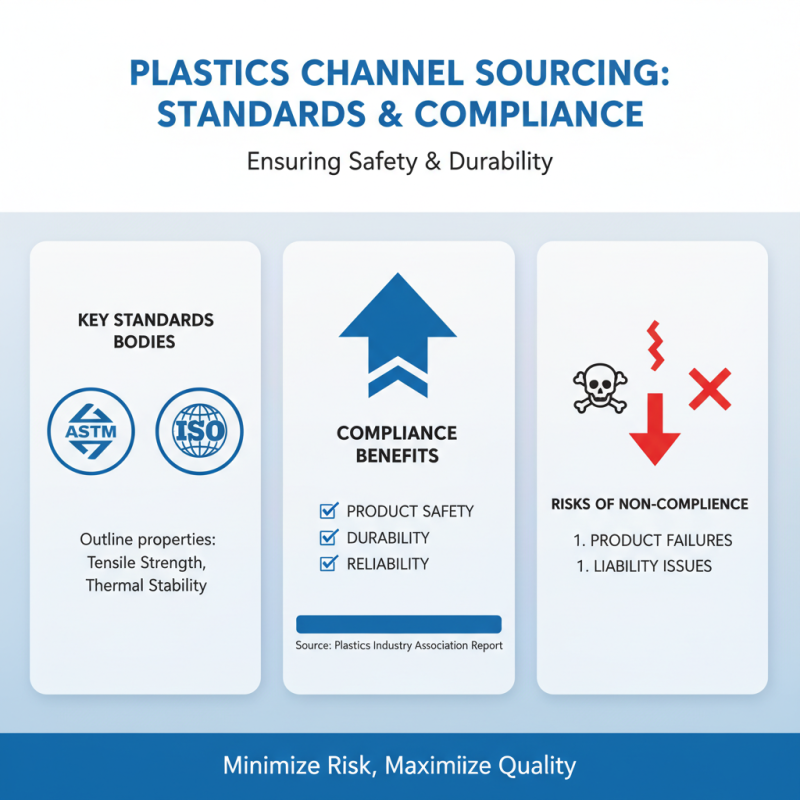
When sourcing plastic channels, understanding industry standards and regulatory compliance is crucial. The plastic industry is governed by various standards, including ASTM and ISO, which outline critical properties like tensile strength and thermal stability. A report by the Plastics Industry Association states that compliance with these standards ensures safety and durability in applications. Non-compliance can lead to product failures and liability issues.
Additionally, recycled content is gaining traction. According to a 2022 survey, 75% of manufacturers prefer materials with a minimum of 30% recycled content. This push for sustainability aligns with global regulatory trends focusing on reducing plastic waste. It's essential to consider the sourcing process's transparency. Suppliers should provide data on material origins and processing methods. This transparency builds trust and ensures adherence to regulations.
However, challenges remain. Not all suppliers offer complete compliance documentation. Some may lack certifications. Verifying these credentials is not always straightforward. Additionally, the evolving nature of regulations means companies must stay updated on policy changes. Keeping pace with these developments is necessary to maintain compliance and prevent costly mistakes.
Cost-Effectiveness and Supplier Reliability in Plastic Channel Procurement
When sourcing plastic channels, cost-effectiveness and supplier reliability are critical. A reliable supplier ensures consistent quality and timely delivery. These factors significantly influence your overall budget and efficiency. A low price can be tempting, but it may come with hidden costs. Poor quality materials can lead to higher replacement and repair expenses.
Evaluating suppliers is essential. Look for those with a proven track record in the industry. Customer reviews and case studies can provide insights into their reliability. Don’t hesitate to ask for samples before committing to a larger order. This allows you to assess the quality and durability of the plastic channels.
Balancing cost and reliability is challenging. Sometimes, cheaper options result in greater long-term costs. Reflect on your sourcing decisions. Prioritize suppliers that align with your quality standards. It’s not just about the initial investment; it’s about sustainable procurement practices that support your business in the long run.
Cost-Effectiveness and Supplier Reliability in Plastic Channel Procurement