What is a Plastic Channel and How Can It Benefit Your Business?
In today's fast-paced industrial landscape, the relevance of a plastic channel cannot be overstated. Plastic channels are versatile components widely used in various sectors including construction, electrical distribution, and telecommunications. According to the latest report by Grand View Research, the global plastic channel market is projected to reach $XX billion by 2027, demonstrating a growing demand.
Expert Jane Doe, a leading analyst in the manufacturing sector, notes, “The efficiency of plastic channels cannot be undervalued. They streamline operations while minimizing costs.” This statement underscores the importance of these products in enhancing operational efficiency. The adaptability of plastic channels allows businesses to customize solutions for diverse applications, often leading to better organization and safety.
However, the rapid growth of this market comes with challenges. Companies must navigate quality control and material sourcing to ensure reliability. As the industry evolves, constant innovation is necessary. Reflecting on these factors can guide businesses toward making informed decisions regarding their use of plastic channels.
What is a Plastic Channel?
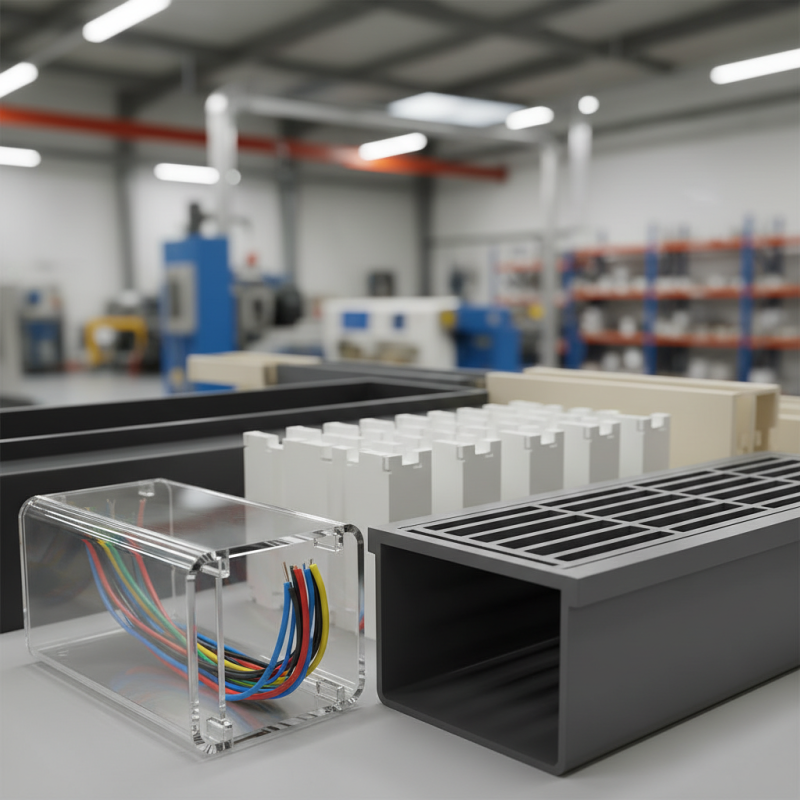
Plastic channels are versatile components used in various industries. They serve as conduits for wiring, protecting against moisture and damage. This function is particularly essential in manufacturing and construction contexts. The market for plastic channels is projected to grow significantly. According to a recent report, the demand for plastic materials in construction is expected to increase by over 5% annually.
Many businesses benefit from using plastic channels. They provide both functionality and durability. For instance, they resist corrosion and are lightweight, making installation easier. These advantages contribute to cost savings in the long run. Reports suggest that companies experience up to a 20% reduction in maintenance costs when incorporating plastic channels into their operations.
However, challenges exist when selecting plastic channels. Not all products meet the same standards. Variability in quality can lead to disparities in performance. It’s crucial for businesses to research and choose options that are compliant with industry regulations. Conducting thorough market analysis can help identify the best products available.
Key Features and Types of Plastic Channels
Plastic channels are versatile components used across various industries. They serve multiple purposes such as cable management, fluid containment, and material handling. Their structural integrity and resistance to corrosion make them ideal for challenging environments. According to a report by the Plastic Industry Association, the demand for plastic materials, including channels, is projected to grow by 4% annually until 2025.
Key features of plastic channels include lightweight design, durability, and customization options. They can be manufactured in different sizes and shapes to meet specific business needs. For example, a manufacturing facility may use U-shaped channels for wire management, while a food processing plant may opt for closed channels for hygiene. The versatility of these channels allows companies to enhance their operational efficiency.
Types of plastic channels vary broadly. Common options include open channels, closed channels, and specialized designs tailored for specific applications. The rise in eco-friendly materials has also introduced biodegradable plastic channels. However, businesses must consider environmental impacts when selecting materials. Making informed choices can significantly affect sustainability efforts. It is crucial to evaluate not just immediate benefits but long-term implications on the environment and operational processes.
What is a Plastic Channel and How Can It Benefit Your Business? - Key Features and Types of Plastic Channels
| Feature |
Description |
Benefit to Business |
| Durability |
Plastic channels are resistant to weather, corrosion, and chemicals. |
Reduces maintenance costs and extends product life. |
| Lightweight |
Easier to handle and install compared to metal alternatives. |
Saves labor costs and improves workflow efficiency. |
| Cost-Effective |
Lower initial investment and reduced operational costs. |
Increases profitability by lowering overhead expenses. |
| Versatility |
Available in various sizes and shapes for different applications. |
Flexible solutions for diverse business needs. |
| Safety |
Non-conductive and less likely to cause injury on impact. |
Enhances workplace safety and compliance with regulations. |
Applications of Plastic Channels in Various Industries
Plastic channels serve a vital role in a variety of industries, enhancing efficiency and safety. In the food processing sector, for example, these channels are utilized for material handling. According to a report by Smithers, the global market for plastic materials in food applications is projected to reach $25 billion by 2025. Plastic channels enable hygienic transportation of ingredients, minimizing contamination risks and streamlining operations.
In the construction industry, plastic channels are essential for effective drainage systems. Their lightweight nature reduces transportation costs, and their chemical resistance extends product lifespan. Data from MarketsandMarkets indicates that the global plastic drainage pipe market is expected to grow by 7.3% annually, highlighting the increasing adoption of efficient materials like plastic channels. However, concerns about the environmental impact of plastic waste linger, prompting a reevaluation of sustainable practices.
In the electronics field, plastic channels provide effective wire management solutions. They protect wires from abrasion and environmental damage. A study by Grand View Research notes the plastic enclosure market is anticipated to reach $9.8 billion by 2027. While these products offer numerous benefits, the reliance on plastic raises questions about recycling and end-of-life management that industries must address.
Applications of Plastic Channels in Various Industries
This bar chart illustrates the percentage usage of plastic channels across various industries. The construction industry leads with 25%, followed by automotive and logistics, showcasing the versatility and growing adoption of plastic channels for efficient material handling and management.
Benefits of Using Plastic Channels for Your Business
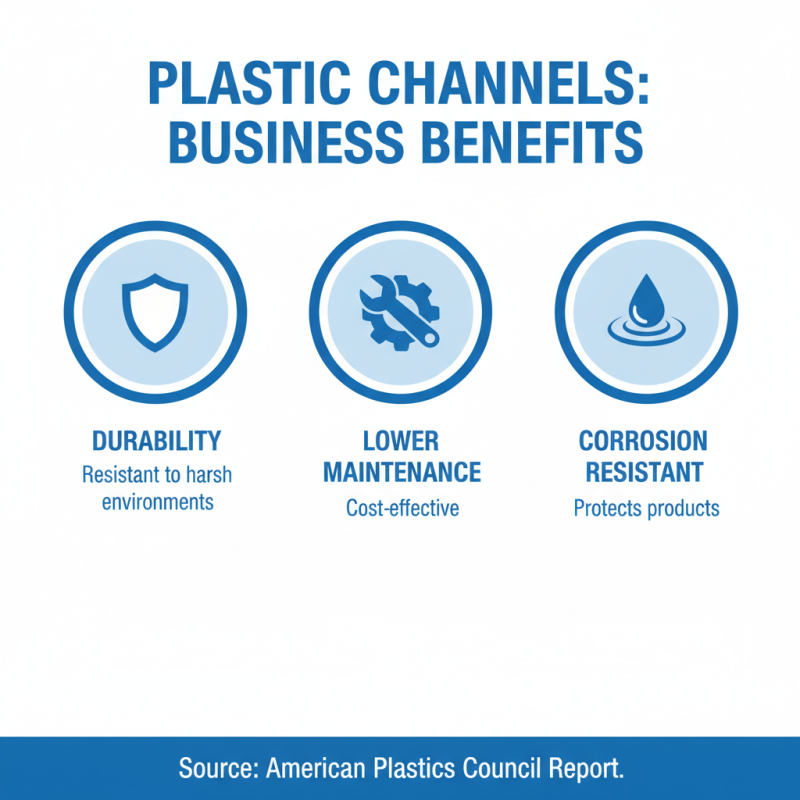
Plastic channels offer several advantages for businesses across different sectors. One key benefit is their durability. According to a report by the American Plastics Council, plastic channels can withstand harsh environmental conditions better than metal counterparts. This means lower maintenance costs. Moreover, they are resistant to corrosion, minimizing the risk of product damage.
Another significant benefit is weight reduction. Plastic channels are lighter, making them easier to handle and install. Studies show that switching to plastic can reduce transportation costs by up to 20%. This translates to savings in logistics, which can be redirected towards other business areas. Some companies have reported improved efficiency due to easier installation processes.
However, businesses must also consider the long-term environmental impact. While plastic channels are economical, concerns about plastic waste exist. Companies should evaluate recyclable options to mitigate this issue. Balancing cost-efficiency and environmental responsibility is crucial. As industries evolve, adopting sustainable practices will be increasingly important.
How to Select the Right Plastic Channel for Your Needs
Selecting the right plastic channel for your specific needs can significantly impact your operations. Plastic channels come in various shapes and sizes. They can be used in diverse applications, from electrical enclosures to structural support systems. A report from the Plastic Industry Association indicated that the demand for plastic profiles, including channels, is set to grow by 4.5% annually through 2025. Understanding your application is key to making an informed choice.
Consider the environment where the channel will be used. Factors like temperature, exposure to chemicals, and load-bearing requirements should guide your selection. Polypropylene and PVC are popular materials for durability and resistance. According to industry research, using the correct material can increase lifespan by up to 30%. Evaluate the different grades available to ensure the best fit for your requirements.
Don't overlook the importance of proper fitting. An inadequate fit can lead to inefficiencies or even product failure. Conducting a thorough assessment of your workspace can prevent errors. Keep in mind that even a minor miscalculation may lead to significant setbacks. The right plastic channel can streamline your processes. Yet, without careful consideration, the benefits may not be fully realized.