How to Choose the Best Polycarbonate Tube for Your Needs?
Choosing the right polycarbonate tube can seem daunting, but expert insights can guide your decision. Dr. Emily Stone, a leading materials scientist, emphasizes, "Understanding your needs is key to selecting the perfect polycarbonate tube." Her expertise highlights the importance of matching the tube’s properties to your specific applications.
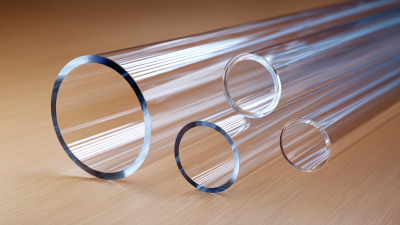
Polycarbonate tubes are popular for their strength and clarity. They offer excellent impact resistance and can withstand extreme temperatures. However, not all polycarbonate tubes are created equal. It's essential to consider factors like thickness, diameter, and UV resistance. These details significantly affect performance and longevity.
Many buyers overlook these critical aspects. They might choose a tube based solely on price, which can lead to regrets later. Take time to research different suppliers and their offerings. Ensure you choose a reliable source that understands the nuances of polycarbonate tubes. The right choice can enhance your project and save costs over time.
Understanding Polycarbonate Tubes: Properties and Benefits
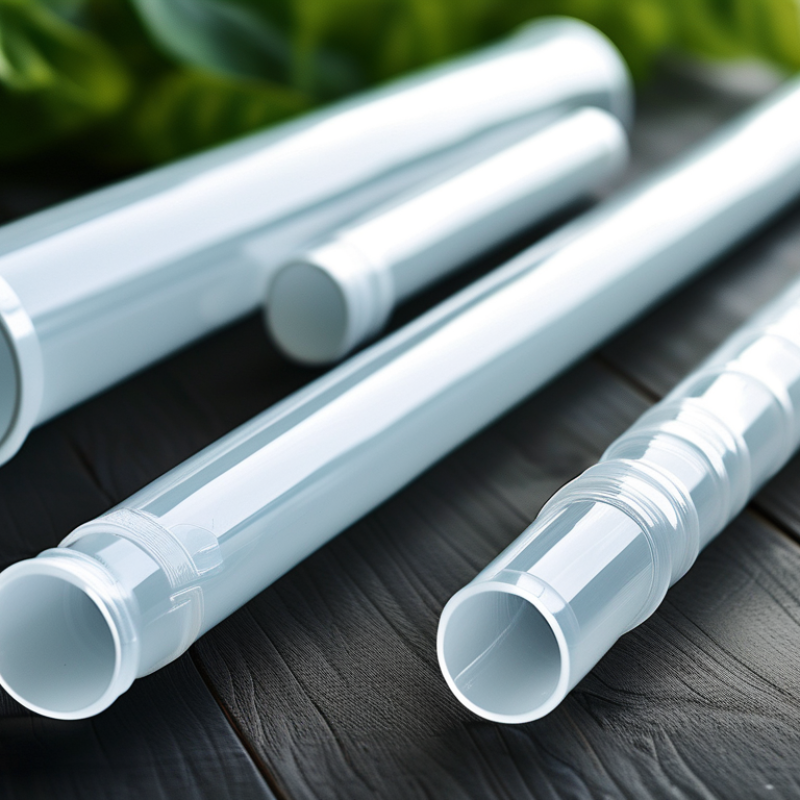
Polycarbonate tubes offer a multitude of benefits due to their unique properties. Known for their high impact resistance, these tubes can withstand harsh environments. They are also lightweight, making them easy to handle and transport. Moreover, polycarbonate has excellent transparency, allowing for effective light transmission. This makes these tubes ideal for various applications, such as lighting and architectural designs.
In addition to being resilient, polycarbonate has thermal stability. It can endure significant temperature fluctuations without compromising its structure. However, users must remain aware of its susceptibility to scratches. While it is stronger than glass, maintaining a protective layer is essential for longevity. Understanding the balance of these properties is crucial when selecting a tube for specific projects.
Durability and versatility often come with trade-offs. Polycarbonate can be more expensive than alternatives. Therefore, evaluating your budget and needs is important. For projects requiring long-term usage, investing in high-quality polycarbonate may prove cost-effective. A thoughtful approach to selecting these tubes will ensure you maximize their benefits for your specific requirements.
Assessing Your Specific Applications for Polycarbonate Tubes
When selecting a polycarbonate tube, consider the specific application it will serve. Different projects require distinct properties. For instance, if you need the tube for structural support, look for options with high impact resistance. Conversely, if it will be used for lighting purposes, prioritize tubes with excellent optical clarity. Understanding the intended use helps narrow down the choices significantly.
Analyze the environmental conditions the tube will face. Will it be exposed to harsh chemicals or high temperatures? Certain polycarbonate tubes are engineered to withstand such challenges. Reflect on how long you need the tube to last. Some tubes may show wear sooner than expected under specific conditions. Take note of any past experiences with materials that didn't perform as anticipated. This can guide your future selections and help avoid costly mistakes.
Evaluating Size, Thickness, and Diameter Requirements
When selecting a polycarbonate tube, understanding size, thickness, and diameter is crucial. The diameter refers to the tube's width, impacting its applications. For example, a diameter of 1 inch can handle smaller projects, while larger diameters, like 6 inches, suit heavier materials. According to industry reports, tubes with a diameter larger than 4 inches are more likely to exhibit rigidity and strength, making them suitable for demanding environments.
Thickness is another critical factor. Standard thickness ranges from 1/8 inch to 1/2 inch. Thicker tubes provide better impact resistance. Research indicates that a thickness of 0.2 inches can support considerable loads without cracking. However, thicker tubes can also increase the overall weight, which might not be ideal for lightweight applications. Users often overlook the balance between thickness and weight.
Choosing the right size and thickness requires a careful evaluation of specific requirements. Consider the environment where the tube will be used. If subjected to extreme temperatures or chemicals, choose a tube that meets those standards. Poor choices in size or thickness can lead to failures or excessive costs in replacements. Always reflect on these dimensions to ensure optimal performance.
Polycarbonate Tube Thickness and Diameter Comparison
Comparing Cost and Quality: Choosing the Right Supplier
When selecting a polycarbonate tube, it's crucial to evaluate suppliers based on cost and quality. A recent industry report indicates that low-cost options often compromise on durability and safety. Investing in quality materials seems wise, given that polycarbonate tubes can operate under pressures exceeding 50 psi. Opting for a reliable supplier ensures compliance with safety standards.
Choosing a more expensive supplier may seem counterintuitive. However, the longevity and performance of high-quality polycarbonate components often outweigh initial costs. A study found that high-grade polycarbonate tubes can last up to three times longer than their cheaper counterparts. It's essential to ask suppliers about raw material sourcing and manufacturing processes. Transparency in these areas reflects reliability.
Don't overlook customer reviews and case studies. They provide real-world insights into product performance. Suppliers with a solid reputation often show consistent quality over time. Suppliers with ISO certifications also demonstrate a commitment to maintaining high standards. Weighing these factors carefully plays a significant role in ensuring you choose the best polycarbonate tube for your needs.
How to Choose the Best Polycarbonate Tube for Your Needs? - Comparing Cost and Quality: Choosing the Right Supplier
| Dimension (mm) |
Cost ($/meter) |
UV Protection (%) |
Impact Resistance (Joules) |
Clearance (Days) |
| 25 x 5 |
10.50 |
90 |
20 |
5 |
| 40 x 6 |
15.75 |
85 |
25 |
7 |
| 50 x 8 |
20.00 |
95 |
30 |
10 |
| 60 x 10 |
25.00 |
80 |
35 |
12 |
| 80 x 12 |
30.50 |
75 |
40 |
15 |
Installation and Maintenance Tips for Polycarbonate Tubes
Polycarbonate tubes offer durability and versatility, but proper installation and maintenance are crucial for optimal performance. Before installation, check the manufacturer's guidelines carefully. Ensure that the tube is cut to the correct length, as improper sizing can lead to complications. Use wall brackets or supports spaced appropriately to prevent sagging. Reports indicate that up to 30% of structural issues in polycarbonate applications stem from inadequate support during installation.
After installation, regular maintenance is key. Keep the tubes clean and free from debris, as accumulated dirt can impact light transmission. A gentle cleanser and soft cloth are often sufficient for maintenance. It is also essential to inspect the tubes for cracks or discoloration periodically. Some studies show that 25% of polycarbonate products can degrade from UV exposure if not treated. Applying UV protection can extend the lifespan of your tubes, enhancing their effectiveness.
Reflecting on user experiences, several end-users noted challenges with maintaining clarity over time. These challenges often arise from neglecting routine cleaning and protective measures. It is an integral part of tub sustainability to balance beauty and functionality with care and attention.