Top 10 Uses for Plexiglass Tubes in Various Industries?
In today's fast-paced industrial landscape, the versatility of plexiglass tubes stands out. As industry expert Dr. Emily Thompson states, "Plexiglass tubes offer unmatched clarity and strength." This transparency makes them essential in various applications. From medical devices to art installations, these tubes play a crucial role across sectors.
Plexiglass tubes not only provide functional benefits but also aesthetic value. In the medical field, they ensure safety and visibility, crucial for patient care. Artists use them to create stunning displays, merging creativity with resilience. However, their use isn't without challenges. The durability of plexiglass can be compromised under certain conditions.
Innovation continues in the plexiglass tube market. Manufacturers experiment with designs and coatings, enhancing their performance. Yet, this evolution raises questions about sustainability and long-term use. Exploring the top 10 applications highlights both the advantages and potential shortcomings of plexiglass tubes in industry today.
Applications of Plexiglass Tubes in the Medical Industry
Plexiglass tubes have become increasingly vital in the medical industry. Their unique properties offer significant advantages over traditional materials. For instance, plexiglass is highly resistant to impact and shatter-proof, making it safe for medical applications. According to a recent report by the Medical Device Directive, the use of plexiglass in healthcare equipment has risen by approximately
25% in the past three years.
In medical settings, plexiglass tubes are commonly used for various purposes, such as storage and transportation of samples. Their transparency allows for easy visibility, facilitating quick inspections. Additionally, they are often employed in infusion systems and laboratory equipment. A study published in the Journal of Biomedical Materials Research highlighted that the sterilization process used with plexiglass is both efficient and effective, maintaining material integrity even after repeated use.
However, challenges exist with plexiglass. Its vulnerability to certain solvents limits its application in specific scenarios. Some healthcare providers express concerns about potential scratching, which could compromise hygiene standards. Users must regularly assess and maintain plexiglass tubes to ensure reliability. Overall, while plexiglass tubes are indispensable in the medical field, ongoing evaluations of their physical properties remain crucial to enhance performance and safety.
Plexiglass Tubes in the Construction and Architecture Sectors
Plexiglass tubes have found their way into the construction and architecture sectors due to their unique properties. According to industry reports, the global plexiglass market is expected to reach $7.8 billion by 2027, driven largely by the demand in these sectors. Architects and builders appreciate the combination of light transparency and durability that plexiglass tubes offer. They allow natural light to filter through, reducing the need for artificial lighting in buildings.
These tubes are also engineered for stability, which is crucial for structural applications. A report from the American Institute of Architects indicates that lightweight materials like plexiglass can reduce overall construction costs and time. Many design projects now use these tubes for modern aesthetic elements, such as curved walls and innovative light fixtures. However, challenges arise with UV stability; certain formulations may degrade exposed to sunlight over time. This necessitates careful consideration in design planning.
The flexibility of plexiglass tubes means they can be molded into various shapes and sizes. Their ease of fabrication allows architects endless creative possibilities, yet the choices can be overwhelming. Some architects may struggle with choosing the best thickness for structural integrity. Balancing practicality and visual impact remains an ongoing challenge in design projects. While plexiglass offers significant advantages, its limitations require closer scrutiny during project development.
Top 10 Uses for Plexiglass Tubes in Various Industries
| Use Case |
Industry |
Description |
| Transparent Partitions |
Construction |
Used to create clear barriers in shared workspaces to enhance safety and reduce noise. |
| Protective Covers |
Architecture |
Plexiglass tubes serve as protective covers for outdoor lighting fixtures. |
| Display Cases |
Retail |
Used in stores to display products while protecting them from damage. |
| Aquarium Tubing |
Marine |
Provides clear view tubing for aquariums, ensuring safe transport of water and marine life. |
| Safety Shields |
Healthcare |
Used in hospitals to protect staff and patients during procedures. |
| Ventilation Systems |
HVAC |
Allows for efficient airflow while maintaining aesthetics in buildings. |
| Decorative Structures |
Interior Design |
Plexiglass tubes are used in modern decor to create unique lighting installations. |
| Food Processing Equipment |
Food and Beverage |
Utilized in machinery to ensure visibility while adhering to hygiene standards. |
| Research Apparatus |
Laboratory |
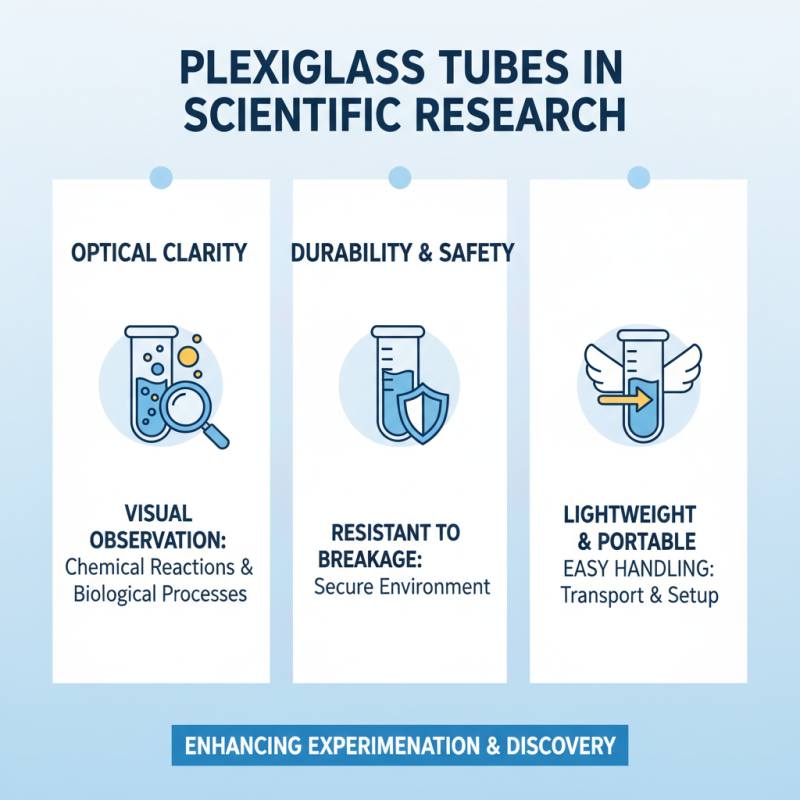
Used in various experiments requiring visibility and robust support. |
| Protective Guards |
Manufacturing |
Safeguards equipment and workers from mechanical hazards. |
Innovative Uses of Plexiglass Tubes in the Arts and Crafts Realm
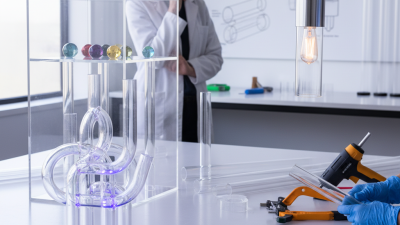
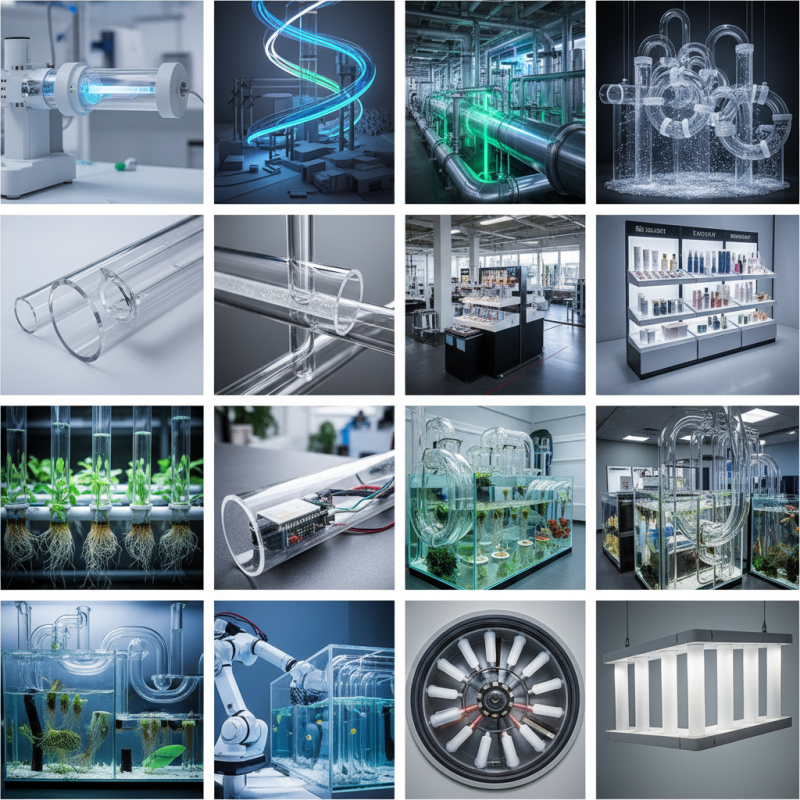
Plexiglass tubes have gained popularity in the arts and crafts realm. The transparent nature of plexiglass allows artists to explore unique design possibilities. From custom lighting fixtures to avant-garde sculptures, these tubes offer versatility. A recent industry report highlighted that the demand for plexiglass in decorative applications has risen by 35% over the past three years.
Artists appreciate the lightweight yet durable characteristics of plexiglass. This material allows for intricate designs without sacrificing functionality. For example, a tube can be easily cut and shaped for DIY projects. With proper tools, even beginners can achieve impressive results. A point to consider is how this material can be recycled. Sustainability is becoming essential in art. Integrating recycled plexiglass into projects may add an eco-friendly aspect.
Tips: When working with plexiglass, wear protective gear. Acrylic dust can be harmful if inhaled. Always secure your work area. Measure twice and cut once to minimize waste. Experiment with painting or etching for additional customization. While imperfections in your work can enhance its charm, strive for a clean finish where it matters.
Plexiglass Tubes in Aquatic Design and Habitat Construction
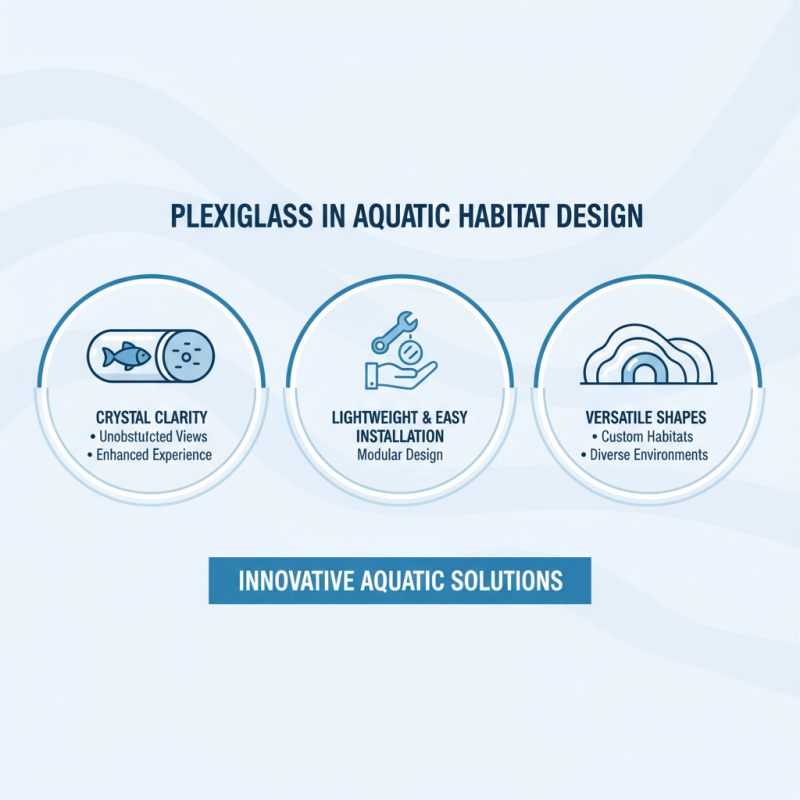
Plexiglass tubes are gaining attention in aquatic design and habitat construction. Their clarity allows for unobstructed views of marine life. This feature enhances visitor experiences in aquariums and educational centers. The lightweight nature of plexiglass makes installation easy. It can be shaped into various designs, catering to diverse aquatic environments.
These tubes serve practical functions as well. They can be used to create safe enclosures for fish and other species. The transparency fosters a sense of openness. However, some may question durability compared to traditional materials. Over time, scratches can accumulate, impacting visibility. Regular maintenance is essential to ensure the aesthetics and functionality of the installation.
In constructing habitats, flexibility is key. Plexiglass tubes come in various sizes, offering versatility for different projects. They can imitate natural environments, providing shelter for aquatic creatures. Despite their advantages, the tubes require careful planning. Designers must consider factors like water pressure and temperature changes. This reflection ensures that the final design remains resilient and effective.