Top Benefits of Using Plexiglass Tubes for Global Buyers?
In today's competitive marketplace, understanding the benefits of using plexiglass tubes is crucial for global buyers. Industry expert Dr. Emily Collins notes, "Plexiglass tubes combine versatility and durability, making them ideal for various applications." This unique material offers clarity and strength, making it popular in industries ranging from packaging to construction.
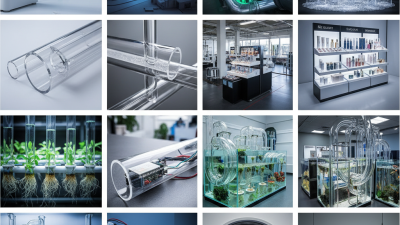
Plexiglass tubes are lightweight yet incredibly strong. Their transparency allows for easy viewing of contents, a feature that many businesses find essential. Additionally, they are resistant to UV light and chemicals, further enhancing their appeal. However, potential buyers should be aware of the challenges in sourcing high-quality products. Not all suppliers meet the same rigorous standards.
The versatility of plexiglass tubes is noteworthy. They can be customized to different sizes and shapes, which is especially beneficial for brands looking to stand out. Yet, the decision to use them should come after careful consideration of cost, supply chain reliability, and environmental impact. Exploring these factors can lead to informed choices in material selection.
Top Benefits of Using Plexiglass Tubes for Global Buyers
The advantages of using plexiglass tubes resonate across various global industries. These transparent tubes are favored in manufacturing due to their strength and lightweight nature. According to a recent market analysis, the global acrylic market is projected to grow at a CAGR of 6.4% from 2021 to 2028. This underscores the increasing demand for materials like plexiglass that combine durability with aesthetic appeal.
Plexiglass tubes are versatile. They are commonly used in display cases, protective barriers, and even in laboratory settings. Their high resistance to impact makes them safer than glass. A report by Transparency Market Research shows that acrylic polymers will lead in market shares, primarily due to innovations in processing and application methods.
When considering plexiglass tubes, think about specific applications. The distortion can vary based on thickness and form, which is crucial for precise projects. Ensure that the right specifications align with your goals. A practical evaluation of clarity versus thickness can lead to better visibility and usability in designs.
For best practices, integrate an evaluation process. This can help you identify the appropriate type for your needs. Different grades offer varying levels of clarity and durability. Researching these properties could enhance your project's success rate. Understanding the nuances in plexiglass manufacturing can also guide better purchasing decisions.
Overview of Plexiglass: Properties and Applications in Various Industries
Plexiglass, or acrylic, is a versatile material recognized for its clarity and durability. Its optical quality can exceed 90%, making it a favorite in various industries. The automotive sector utilizes plexiglass in headlights and windows due to its shatter-resistant properties. According to the American Acrylic Association, acrylic sheets are 50% lighter than glass, offering significant advantages in applications where weight is a concern.
In the medical field, plexiglass tubes are used in protective barriers and equipment enclosures. These applications highlight how plexiglass can provide safety while maintaining visibility. Reports indicate that the use of acrylic in medical settings has grown by 25% over the last five years. However, challenges remain. The susceptibility of plexiglass to scratching and UV damage requires proper care and protective coatings to ensure longevity.
It's crucial to choose the right grade of plexiglass for specific applications. Not all acrylic products are created equal, and this can lead to performance issues. Some buyers might experience confusion over the various types available. Therefore, understanding the distinct properties and potential drawbacks is essential for optimal usage in any industry.
Top Benefits of Using Plexiglass Tubes for Global Buyers
| Property |
Description |
Applications |
| Lightweight |
Plexiglass is significantly lighter than glass, making it easier to handle and install. |
Displays, protective barriers, and packaging solutions. |
| Impact Resistance |
Offers high resistance to impacts, reducing the risk of breakage. |
Safety equipment, enclosures, and outdoor signs. |
| UV Resistance |
Protects against UV light, preventing yellowing and degradation. |
Outdoor installations, lighting fixtures, and greenhouse applications. |
| Optical Clarity |
Exhibits excellent transparency, comparable to glass. |
Lens manufacturing, aquariums, and display cases. |
| Chemical Resistance |
Resistant to many chemicals, making it suitable for various environments. |
Laboratories, medical devices, and industrial applications. |
Economic Efficiency: Cost-Effectiveness of Plexiglass Tubes Compared to Alternatives
Plexiglass tubes offer remarkable economic efficiency that attracts global buyers. Unlike glass or traditional plastics, plexiglass provides a lower cost with similar durability. According to industry reports, the average price of plexiglass is about 20% lower than comparable glass products while still maintaining strength. This makes it an appealing choice for various applications in different sectors.
In addition, plexiglass's lightweight nature reduces shipping costs. Shipping expenses can account for a significant portion of total expenses, especially for bulky materials like glass. Studies indicate that manufacturers can save up to 15% on logistics. This efficiency can drive profit margins higher, improving the overall project budget.
However, it's essential to consider the long-term impacts. While plexiglass can be cost-effective, its resistance to UV light may diminish over time, affecting clarity and appearance. Buyers must weigh these factors against immediate savings. A comprehensive cost-benefit analysis could unveil potential hidden costs in maintenance or replacement. This reflective approach ensures that the benefits of using plexiglass tubes do not overshadow the necessity for careful planning.
Durability and Safety: Why Plexiglass is Ideal for High-Impact Environments
Plexiglass tubes offer exceptional durability, making them perfect for high-impact environments. Reports indicate that plexiglass is ten to twenty times stronger than traditional glass. This strength means fewer breakages and reduced replacement costs. These tubes can withstand significant force while providing a lightweight alternative to glass and other materials.
Safety is another fundamental advantage. Plexiglass is shatter-resistant, minimizing the risk of injury in case of an accident. In laboratories and industrial settings, this safety feature is essential. According to industry standards, using materials that prioritize safety can reduce workplace accidents by up to 40%. This resilience ensures that plexiglass tubes are safe for both employees and customers.
However, it is important to consider potential downsides. Plexiglass can scratch more easily than glass, impacting aesthetics over time. While it is an excellent option for many applications, ongoing maintenance might be necessary to preserve its clarity. Evaluating the environment and specific use-case of plexiglass tubes is crucial for making an informed decision. Each application may require a different approach.
Top Benefits of Using Plexiglass Tubes for Global Buyers
Versatility in Design: Customization Options for Different Market Needs
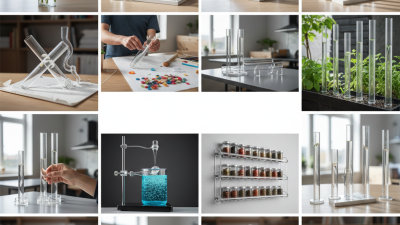
Plexiglass tubes offer incredible versatility for various industries. Their customization options allow buyers to tailor products to meet specific market needs. Whether for display cases or protective barriers, these tubes can be designed in different sizes and shapes. This adaptability enhances their appeal.
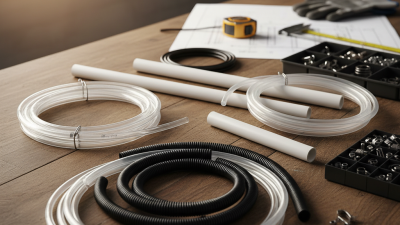
Customization is not just limited to dimensions. Buyers can also choose finishes and colors. This flexibility allows businesses to create unique branding solutions. However, the challenge lies in balancing creativity with practicality. It is crucial to ensure that custom designs remain functional and cost-effective.
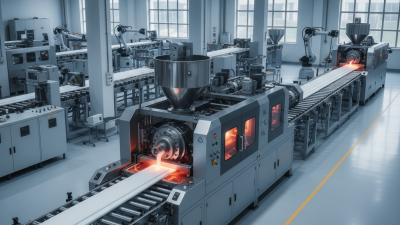
Moreover, the manufacturing process can vary. Different techniques may impact the final quality of the product. It’s essential to consult with knowledgeable suppliers to understand the implications of specific customization options. Reflecting on choices made during the design phase can lead to improvements. In this way, buyers ensure that they receive the best possible product while meeting the diverse needs of their markets.
Conclusion
Plexiglass tubes offer a wide array of advantages for global buyers, making them an attractive choice across various industries. Known for their clarity and lightweight characteristics, plexiglass tubes are not only cost-effective compared to traditional materials, but they also provide excellent durability and safety, making them well-suited for high-impact environments. Their versatility allows for extensive customization, catering to different market needs and applications.
Moreover, the production of plexiglass tubes emphasizes sustainable manufacturing practices, contributing to a lower environmental impact. As industries continue to seek efficient, durable, and eco-friendly solutions, plexiglass tubes are emerging as a top preference, meeting both functional and aesthetic requirements in diverse settings.