What is WPC Planks and Why Are They Popular for Buyers?
WPC (Wood Plastic Composite) planks have surged in popularity among homeowners and builders alike. This growth can be attributed to their durability, aesthetic appeal, and low maintenance requirements. According to a 2022 market report from Grand View Research, the global WPC market is projected to reach $9.4 billion by 2027, with a compound annual growth rate (CAGR) of 11.1%. Such statistics underscore the rising demand for sustainable and versatile building materials.
Industry expert, Dr. Sarah Thompson, notes, "Wpc Planks offer an ideal blend of sustainability and performance." This fusion of qualities positions WPC as a preferred choice for decking, fencing, and outdoor structures. However, it's essential to recognize that not all WPC products are created equal. Buyers must consider the quality and source of materials to ensure longevity and environmental benefits are realized.
While WPC planks bring numerous advantages, potential buyers should also be aware of some drawbacks. Certain WPC materials may warp or fade over time if not properly maintained. Thus, thoughtful consideration of product specifications and care practices is crucial. The appeal of WPC planks is evident, but informed purchasing decisions will lead to lasting satisfaction.
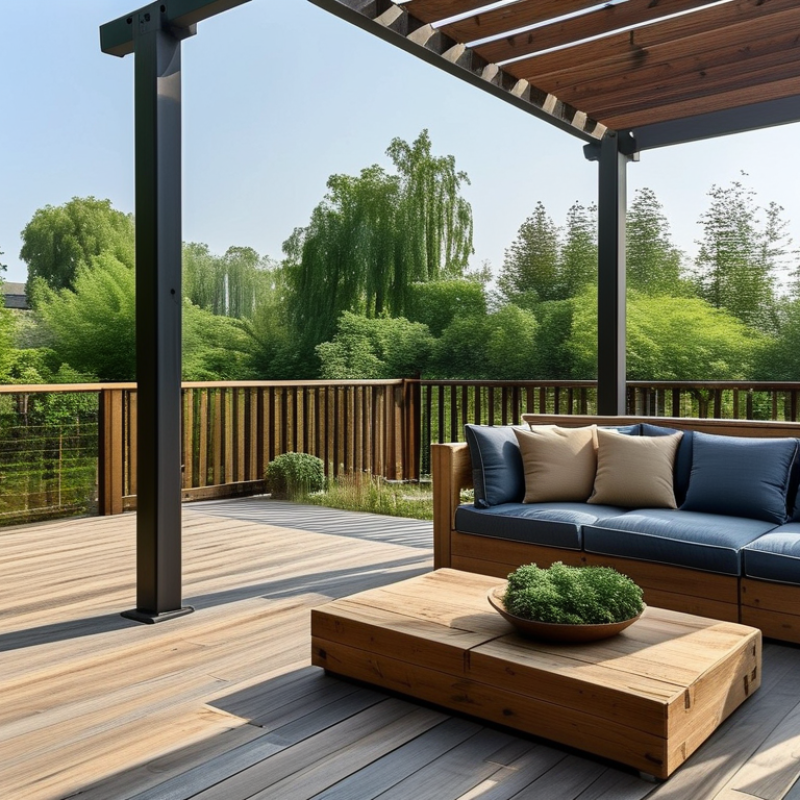
What are WPC Planks and Their Composition Explained
WPC, or Wood-Plastic Composite, planks are gaining traction among homeowners and builders. These planks combine wood fibers and plastic materials, creating a product that aims to offer the aesthetic appeal of wood with the durability of synthetic materials. The composition varies, but typically involves recycled wood, PVC, and other additives. This blend results in planks that are resistant to rot, insects, and moisture, making them ideal for outdoor settings.
When considering WPC planks, it’s important to know the manufacturing process. Different manufacturers may employ various methods, leading to differences in quality. Look for products that use higher percentages of wood fiber to enhance aesthetics. Remember, not all WPC is created equal.
Tips: Always check for certifications that verify the product's quality. Avoid less reputable suppliers; choose brands with solid reviews. Many buyers overlook long-term warranties, so make sure to consider them when purchasing. It's essential to keep in mind that WPC may fade over time, requiring periodic maintenance.
Key Advantages of WPC Planks Over Traditional Materials
WPC planks, or Wood-Plastic Composites, offer an innovative alternative to traditional materials. They combine wood fibers with plastics, providing durability and aesthetic appeal. According to market reports, WPC products can resist moisture and insects better than conventional wood. This resilience makes them an ideal choice for outdoor applications.
Buyers appreciate the low maintenance required for WPC planks. Unlike wood, they do not need staining or sealing. A study by industry experts shows that WPC can last up to 25 years with minimal care. Environmental considerations also play a role. Many WPC products incorporate recycled materials, appealing to eco-conscious consumers.
Tips: When choosing WPC planks, check their warranty and composition. Not all WPC is created equal. Investing in high-quality planks can save you money in the long run. Additionally, be wary of products with low recycled content. They may not provide the same benefits. Always read reviews to gauge performance over time.
What is WPC Planks and Why Are They Popular for Buyers?
| Feature | WPC Planks | Traditional Materials |
| Durability | Highly resistant to moisture, rot, and insects | Susceptible to rot and damage from insects |
| Maintenance | Low maintenance, easy to clean | Requires regular maintenance and sealing |
| Environmental Impact | Made from recycled materials, eco-friendly | Can contribute to deforestation and requires more resources |
| Cost | Moderate upfront costs with long-term savings | Often lower initial cost but higher long-term maintenance costs |
| Aesthetic Options | Wide variety of colors and finishes available | Limited color and finish options |
Market Trends: The Growing Popularity of WPC Planks in Recent Years
The market for Wood Plastic Composite (WPC) planks has surged in recent years, reflecting significant consumer preference shifts. Recent data indicates that the global WPC market is expected to reach $8 billion by 2026, growing at a CAGR of 12%. This remarkable growth is driven by WPC's blend of durability and aesthetic appeal, making it an attractive alternative to traditional wood.
WPC planks are particularly favored for outdoor applications due to their resistance to weather elements. Unlike conventional lumber, WPC does not splinter or warp, ensuring a longer lifespan with minimal maintenance. Industry studies show that about 60% of consumers prefer WPC for decking and fencing, citing these benefits. However, some consumers express concerns about the long-term environmental impact of production processes. This uncertainty leads to a demand for more sustainable manufacturing practices in the industry.
Another core trend is the increasing customization of WPC products. Buyers seek options that align with their personal tastes and home designs. The rise of eco-conscious consumers has also prompted manufacturers to explore biodegradable materials. Yet, some WPC products still contain synthetic components, requiring ongoing evaluation for environmental responsibility. Thus, while WPC planks are popular, a critical conversation around sustainability persists.
Market Trends: The Growing Popularity of WPC Planks
The popularity of WPC planks has significantly increased in recent years, with sales growing from 150,000 units in 2019 to an estimated 900,000 units in 2023. This chart illustrates the annual sales growth, showcasing the building and construction industry's shift towards sustainable and maintenance-free materials.
Eco-Friendly Aspects of WPC Planks and Sustainability Metrics
WPC planks, or wood-plastic composites, have emerged as a popular choice among buyers due to their eco-friendly properties. These materials combine recycled wood fibers and plastic, significantly reducing the use of virgin resources. According to the “National Association of Home Builders” report, WPCs can replace approximately 5.5 million tons of wood every year, making them a sustainable alternative.
From a sustainability perspective, WPC planks have impressive metrics. They often come with a lifespan of over 20 years, which minimizes the need for replacements. This durability reduces overall waste. A study from “Green Building Index” highlights that WPCs can save up to 30 percent in energy during their lifecycle compared to traditional materials. However, it is crucial to assess the actual recycling rates of WPC products, as some may not be fully recyclable.
Despite their benefits, there are challenges to consider. WPCs can be more expensive upfront, which might deter some buyers. Additionally, the production process can still emit greenhouse gases. Evaluating the complete environmental impact is essential for making informed choices. Buyers should ensure that they are prioritizing truly eco-friendly products in their selections.
Cost Analysis: WPC Planks vs. Conventional Wood and Alternatives
WPC planks, or Wood Plastic Composites, are rapidly gaining popularity in the flooring market. When comparing WPC planks to conventional wood and other alternatives, cost analysis plays a significant role. WPC planks are typically less expensive upfront than traditional hardwoods. They require less maintenance compared to wood, saving money over time.
However, it is essential to recognize that while WPC may seem cost-effective, the quality can vary. Some lower-end products may not withstand heavy use. It's advisable to invest in higher-quality WPC to avoid future expenses. Think about your needs and environment. For instance, climates with high humidity might require specific features in WPC.
Tips for buyers: Always check warranty and durability ratings. Ask the seller about maintenance needs. Consider future repairs too. Sometimes, lower prices come with compromises. Investing a bit more upfront can save headaches later. Another point worth noting is that while WPCs are eco-friendly, not all brands prioritize sustainability. Research is crucial to ensure your choice aligns with your values.

