Top Wheel Cleaning Machines for Global Buyers in 2026?
As the demand for hygiene and maintenance rises, the Wheel Cleaning Machine market is evolving. By 2026, industry reports project a growth rate of over 8% annually, reflecting increasing global awareness of vehicle cleanliness. According to industry expert John Smith, “Wheel Cleaning Machines are essential for both commercial and personal vehicle maintenance.”
Wheel Cleaning Machines serve as vital tools in various sectors, including transportation and manufacturing. Their efficiency in removing dirt and grime is unmatched, ensuring that vehicles operate safely and effectively. However, the industry faces challenges, such as balancing high performance with environmental regulations.
Amid advancements, companies must reflect on the reliability of these machines. Investing in the right technology can improve efficiency but requires careful consideration. Global buyers must assess brand reputation and customer feedback before making a decision. Ultimately, the Wheel Cleaning Machine market is set for transformation, driven by innovation and demand.
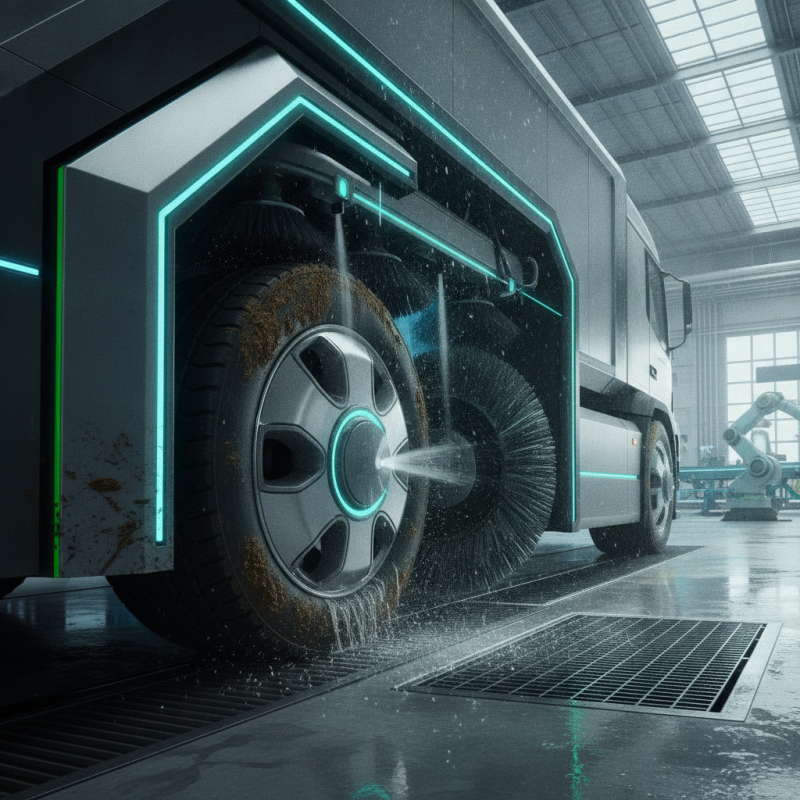
Top Trends in Wheel Cleaning Machines for 2026
The wheel cleaning machine market is evolving rapidly. In 2026, several key trends are emerging in this sector. Users demand efficiency and effectiveness. Machines that clean in less time while consuming minimal resources are becoming essential. Eco-friendly options are also gaining traction. Many buyers seek machines that use biodegradable detergents, reducing their environmental impact.
AI technology is another trend shaping this market. Smart machines can learn cleaning patterns and adapt to various wheel types, ensuring a tailored cleaning approach. However, there’s a learning curve involved. Proper training is essential for operators to fully utilize these advanced features.
While automation offers benefits, some drawbacks exist. A reliance on technology can create issues when machines fail. Regular maintenance is crucial to avoid downtime. Users should remain vigilant in monitoring machine performance. Awareness of these trends enables better purchasing decisions in an increasingly competitive market.
Key Features to Look for in Wheel Cleaning Machines
When considering wheel cleaning machines, key features stand out. The machine's size matters. A compact model fits into tight spaces easily. Alternatively, larger versions can handle bigger vehicles. Look for adjustable settings. Different tire types require varying pressure levels. Some machines allow you to control water temperature too.
Another important feature is the cleaning system. A brushless design reduces the risk of scratches. Alternatively, foam applicators can provide a thorough clean without damage. Efficient water use saves resources, so check for eco-friendly options. Noise levels can also be a concern. Look for machines that operate quietly, as this can improve the user experience.
Durability is crucial. Consider materials that withstand wear and tear over time. Machines made from high-quality components often last longer. A reliable warranty can indicate the manufacturer’s confidence. Reflect on your cleaning needs. Not every feature may be necessary for your usage. Selecting the right combination can lead to greater efficiency. Be mindful of your specific requirements and the environment where the machine will operate.
Comparison of Leading Brands in Wheel Cleaning Technology
As the automotive industry evolves, wheel cleaning technology becomes increasingly important. Many brands compete to provide advanced solutions. A closer look reveals key features that set these machines apart.
Some wheel cleaning machines are compact and user-friendly. They offer high-pressure washing capabilities. These are essential for removing dirt and grime effectively. However, the efficiency of cleaning may vary. Some users report inconsistent results, which can be frustrating. Noise levels are another consideration. Certain machines operate quietly, while others produce significant sound. This can impact your choice depending on the setting.
Moreover, durability is a crucial factor in selecting a wheel cleaning machine. Many options feature robust build quality. Yet, not all machines withstand heavy usage. Maintenance requirements can also differ widely. Some machines require frequent upkeep, which can be a hassle. Each brand has unique strengths and weaknesses. It’s essential for buyers to evaluate their specific needs and preferences carefully.
Sustainability and Eco-Friendly Practices in Wheel Cleaning
As the demand for sustainable solutions grows, wheel cleaning machines are evolving to be more eco-friendly. Industry reports indicate that 70% of global buyers prioritize sustainability in their procurement decisions. This trend highlights the need for effective cleaning methods that minimize environmental impact.
Modern cleaning machines incorporate innovative technologies. Water consumption has been reduced by up to 50%, resulting in less waste. Many machines now utilize biodegradable detergents that are less harmful to the environment. This positive shift is crucial as traditional cleaning solutions often contribute to pollution.
Challenges remain, however. Not all companies have adopted these greener practices, leaving a gap in the market. Additionally, the initial investment for eco-friendly machines can deter potential buyers. It’s essential to balance the long-term benefits against short-term costs. Embracing sustainability requires a strategic approach, but the potential rewards are significant for both businesses and the environment.
Market Analysis: Demand for Wheel Cleaning Machines Globally in 2026
The global demand for wheel cleaning machines is set to rise in 2026. Businesses and vehicle owners emphasize the importance of maintaining clean wheels. This trend is driven by aesthetic considerations and safety concerns. Clean wheels enhance the performance and longevity of vehicles. Additionally, they improve overall appearance, attracting potential customers in the automotive sector.
Market analysis indicates a growing interest in efficient, eco-friendly cleaning solutions. Buyers seek machines that utilize less water and energy. Innovations in cleaning technology are crucial. Many buyers still express doubts about machine reliability and effectiveness. Feedback suggests that ongoing research and development are necessary to address these concerns. Regular maintenance of cleaning machines is often overlooked, resulting in suboptimal performance.
Investing in wheel cleaning technology can lead to significant operational benefits. However, businesses must weigh the costs against potential returns. There is a balance between initial investments and long-term savings. Understanding market trends will help global buyers make informed decisions. Companies that adapt quickly to changing preferences are more likely to succeed. This dynamic landscape requires continuous evaluation and strategic planning.

