2025 Top Uses for Layflat Polythene Tubing in Various Industries
In recent years, layflat polythene tubing has emerged as a versatile solution across various industries, serving a multitude of applications that enhance efficiency and sustainability. Industry expert Dr. Emily Carter, a leading authority in packaging and materials science, states, “The adaptability of layflat polythene tubing makes it an invaluable resource for businesses looking to streamline operations while being eco-conscious.” This statement underscores the significant impact that this innovative material has had on modern packaging and distribution methods.
As we look towards 2025, the uses of layflat polythene tubing are set to expand further, driven by advancements in technology and the increasing need for environmentally friendly solutions. From agriculture to construction, this tubing is gaining traction due to its durability, flexibility, and cost-effectiveness. In this article, we will explore the top applications of layflat polythene tubing across various sectors, highlighting how it not only meets the demands of industry but also contributes to a more sustainable future.
Top Benefits of Layflat Polythene Tubing in Manufacturing Industries
Layflat polythene tubing has emerged as a
versatile solution in the manufacturing industry,
offering a range of benefits that enhance efficiency and productivity. One of the primary advantages of this type
of tubing is its customizable dimensions, allowing
manufacturers to create tailored packaging solutions that meet specific needs. This adaptability ensures
minimal waste and maximizes material usage, contributing to an
environmentally friendly approach in production processes.
Moreover, layflat polythene tubing is characterized by its robust nature and resistance to various elements,
including moisture and chemicals. This durability makes it ideal for packaging products across a variety of
sectors, from industrial components to food items. It safeguards the contents from damage during
transportation and storage, thus maintaining
product integrity and quality.
Additionally, the ease of use associated with layflat tubing, such as quick sealing
and efficient filling processes, further streamlines operations in
manufacturing environments, allowing businesses to focus on production without complicated packaging procedures.
Applications of Layflat Polythene Tubing in Agriculture and Horticulture
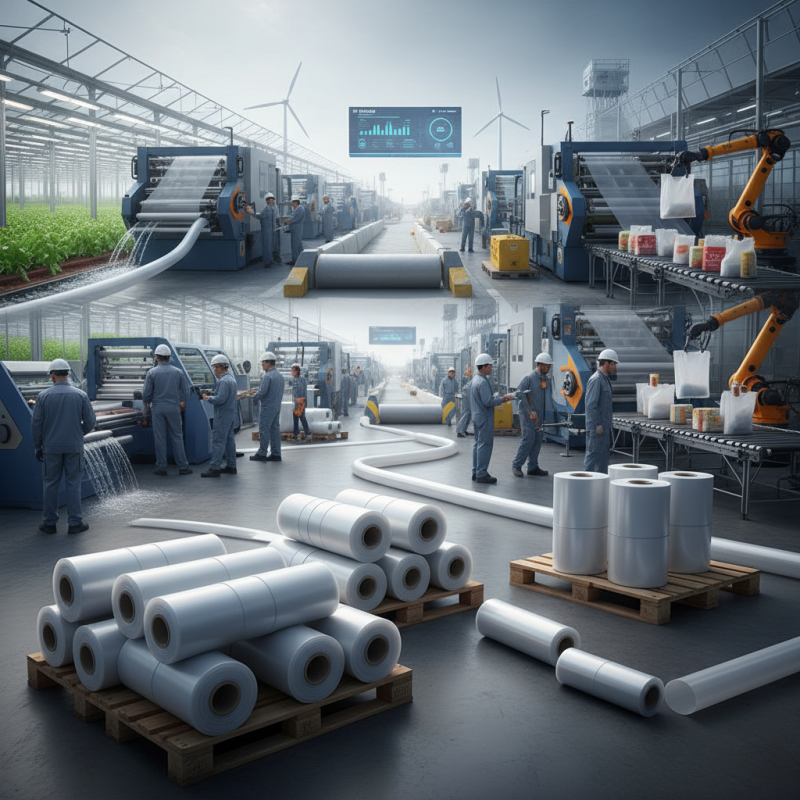
Layflat polythene tubing has become an essential element in agriculture and horticulture due to its versatility and durability. One of the primary applications is in irrigation systems, where it serves as an effective delivery method for water and nutrients. Farmers and horticulturists are increasingly adopting this type of tubing for its ability to distribute water evenly across vast fields and gardens. By customizing the diameter and length of the tubing, growers can optimize water usage, ensuring that crops receive adequate hydration without wastage.
In addition to irrigation, layflat polythene tubing is utilized for protective covering in horticultural practices. The transparent tubing allows sunlight to penetrate while safeguarding delicate plants from harsh environmental conditions. This form of protection is especially beneficial in nurseries, where young plants are vulnerable to temperature fluctuations and pests. Additionally, the tubing can be used to create mini-greenhouses, providing a controlled environment that promotes healthy growth. Its lightweight nature allows for easy implementation and adjustments, making it a preferred choice among modern agricultural practices.
2025 Top Uses for Layflat Polythene Tubing in Various Industries
| Application Area |
Use Case |
Benefits |
Industry Impact |
| Agriculture |
Soil protection and erosion control |
Prevents soil erosion, retains moisture |
Enhances crop yield and sustainability |
| Horticulture |
Protecting young plants and seedlings |
Provides temperature regulation and pest protection |
Supports healthy plant growth |
| Packaging |
Wrapping and bundling agricultural products |
Durable, tear-resistant, and moisture-proof |
Improves product shelf life and reduces waste |
| Irrigation |
Water distribution systems |
Efficient and customizable water flow management |
Maximizes water usage in farming |
| Environmental Control |
Mulching and weed suppression |
Reduces weed growth, conserves soil moisture |
Enhances crop quality |
Innovative Uses of Layflat Polythene Tubing in Food Packaging
Layflat polythene tubing is transforming the food packaging industry with its versatility and functionality. This lightweight yet durable material allows for efficient packing solutions that can adapt to various product shapes and sizes. Its transparent nature not only enhances visibility but also showcases the quality and freshness of the food inside, making it an attractive choice for retailers and consumers alike.
For instance, this tubing can be used to create custom bags for fruits, vegetables, and even baked goods, ensuring they remain protected during transport and storage.
Tips: When using layflat polythene tubing for food packaging, it is essential to consider the thickness and dimensions that best suit your products. Ensuring an airtight seal can significantly extend shelf life, while choosing the right size helps minimize material waste. Additionally, incorporating easy-to-open features can enhance the customer experience.
Another innovative application of layflat polythene tubing in food packaging is its use for vacuum sealing. By removing air from the packaging, food products can stay fresher for longer periods. This technique is particularly beneficial for meat and cheese, which are prone to spoilage. With layflat polythene tubing, manufacturers can create vacuum-sealed packs that not only prioritize food safety but also offer convenience for consumers looking for ready-to-eat options.
Tips: Ensure that the sealing process is performed correctly to maintain product integrity. Using the appropriate vacuum sealing machines compatible with layflat polythene tubing can make a significant difference in efficiency and quality.
Utilizing Layflat Polythene Tubing for Medical and Pharmaceutical Needs
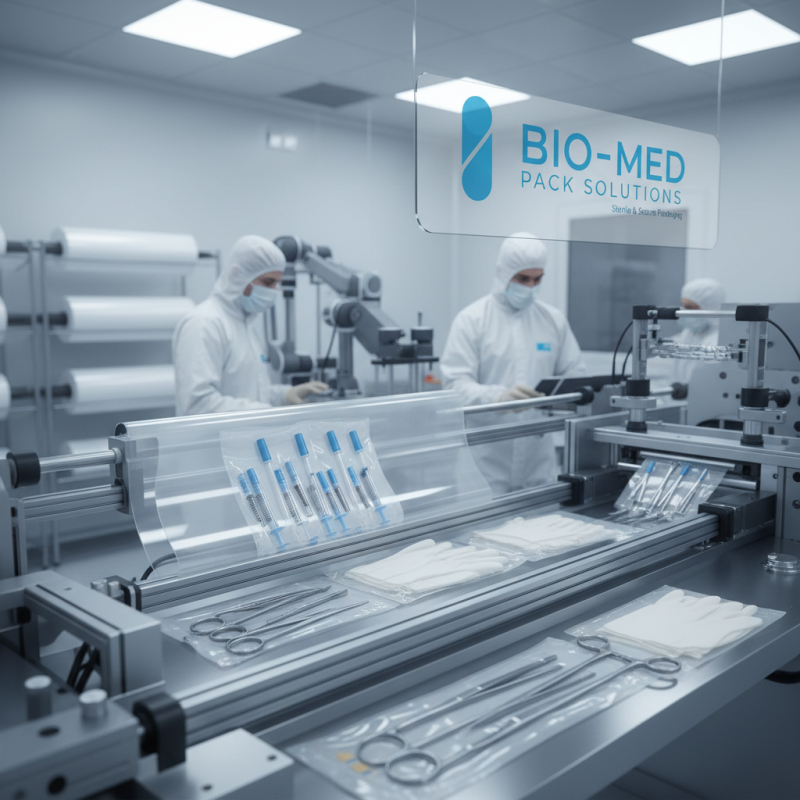
Layflat polythene tubing has become an essential component in the medical and pharmaceutical industries due to its versatility and reliability. Its ability to be sterilized and its resistance to various chemicals make it ideal for packaging medical supplies, such as syringes, gloves, and other sterile instruments. Additionally, in the pharmaceutical sector, this tubing is often used for the safe transportation of medications, ensuring that products remain uncontaminated during distribution. The flexibility and customizable sizes of layflat polythene tubing allow for tailored solutions that meet specific production needs, enhancing both efficiency and safety.
**Tips:** When selecting layflat polythene tubing for medical applications, consider the thickness and material composition to ensure optimal protection for sensitive medical products. It’s also crucial to maintain proper storage conditions to prevent exposure to extreme temperatures that could compromise the integrity of the tubing. Review your specific requirements for sterilization processes, as some tubings may be better suited for certain methods than others.
In addition to packaging, layflat polythene tubing finds applications in laboratory settings. It serves as a cost-effective option for piping fluids in experiments, as well as for creating barriers in contamination-sensitive environments. The tubing's adaptability allows laboratories to safely handle various substances without risk of leakage or spillage, making it a vital tool in ensuring precise results in research and testing.
Sustainability and Environmental Impact of Layflat Polythene Tubing Usage
Layflat polythene tubing is increasingly recognized for its versatility and efficiency across various sectors, but its impact on sustainability is becoming a focal point in current industrial practices. In 2023, the global plastic waste generation reached 353 million tons, underscoring the urgent need for more sustainable product options. The production of layflat polythene tubing utilizes advanced techniques that can significantly reduce energy consumption compared to traditional plastic manufacturing processes. Reports indicate that technologies like blow molding can decrease energy usage by up to 40%, contributing positively to reducing the carbon footprint associated with packaging materials.
Furthermore, the recyclability of layflat polythene tubing plays a crucial role in its sustainability profile. According to recent industry analyses, polyethylene, the core material in layflat tubing, can be recycled up to 10 times without losing quality. This characteristic not only diverts waste from landfills but also supports the circular economy by promoting the use of post-consumer recycled materials. As industries strive to align with environmental regulations and reduce dependency on virgin plastics, the adoption of recyclable layflat polythene solutions positions companies as both environmentally responsible and economically viable. Hence, the sustainability narrative surrounding layflat polythene tubing is gaining momentum and offers a pathway towards achieving more eco-friendly manufacturing practices across sectors.