Top 5 Plastic Extrusion Tips for Efficient Production?
In the realm of plastic extrusion, efficiency remains a key factor for success. According to Dr. Emily Hart, an industry expert with over 20 years of experience, "Optimizing production in plastic extrusion is essential for sustainable growth." This statement underscores the importance of adopting best practices in the production process.
Plastic extrusion can be a complex operation, often leading to challenges. Many companies struggle with material waste, downtime, and suboptimal output quality. A lack of attention to detail can severely impact overall efficiency. Implementing refined strategies can significantly reduce these issues, enhancing productivity rates and material utilization.
With the right knowledge and tools, businesses can transform their plastic extrusion processes. Understanding the intricacies of machinery, materials, and workflow is critical. Each company will need to evaluate its specific challenges. Therefore, the journey toward improved efficiency is continuous and requires constant reflection and adjustment.
Understanding the Basics of Plastic Extrusion Process
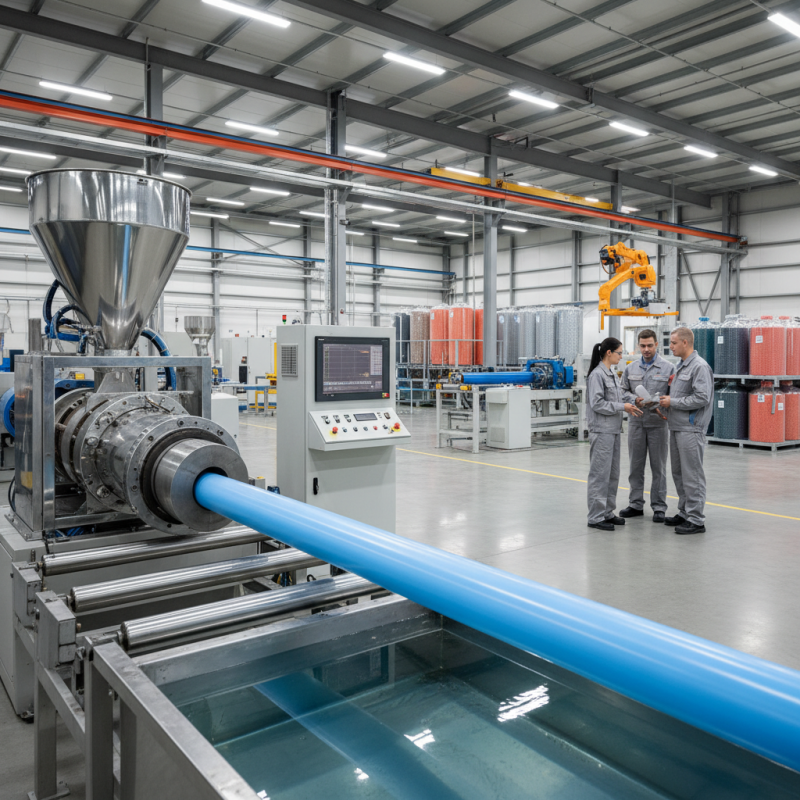
The plastic extrusion process is essential in manufacturing. It involves melting plastic pellets and forcing them through a die. This method can create a wide variety of shapes and products. In 2021, the global plastic extrusion market was valued at approximately $63 billion. Forecasts suggest this figure will grow by around 5% annually due to rising demand in various industries.
Understanding key variables can enhance efficiency. Temperature control is critical, impacting the flow and consistency of the material. Research indicates that even a minor fluctuation can lead to defects, waste, or even increased energy consumption. Monitoring the die temperature can improve product quality significantly. Additionally, ensuring the optimal screw speed helps regulate the melting process.
Material selection is another vital factor. Different plastics have unique melting points and flow characteristics. Knowledge of these properties can prevent production downtime and reduce material waste. Data from industry reports show that companies optimizing material types can decrease costs by up to 15%. Yet, integrating innovative techniques in an existing line could present challenges. Continuous training and adaptation are necessary to maintain efficiency in this evolving industry.
Top 5 Plastic Extrusion Tips for Efficient Production
This chart illustrates the efficiency ratings of various tips for improving plastic extrusion production. A higher rating indicates more significant efficiency improvements that can be achieved by focusing on that particular aspect.
Selecting the Right Materials for Optimal Extrusion Results
Selecting the right materials is crucial for optimal extrusion results. Different plastics have unique properties that affect their performance. Consider factors like melting temperature and viscosity. High viscosity can lead to processing challenges.
Thermoplastics are commonly used in extrusion. Materials like PVC and ABS are popular choices. They offer versatility and good flow characteristics. However, not all thermoplastics perform equally. Each type has its strengths and weaknesses. Conducting thorough tests can reveal unexpected results.
Colorants and additives also play a significant role. They can alter mechanical properties and surface finish. The interaction between additives and base materials can be complex. Sometimes, these combinations yield unsatisfactory results. Understanding this chemistry is essential for effective production. Pay attention to the long-term impact of your material choices.
Optimizing Machine Settings for Enhanced Production Efficiency
Optimizing machine settings is crucial for enhancing production efficiency in plastic extrusion. The precise calibration of temperature settings can make a significant difference. Each plastic type requires specific processing temperatures. Small deviations can lead to defects or unnecessary waste. For instance, too high a temperature can cause material degradation, while too low can result in poor flow. Operators need to monitor these settings closely, adjusting them based on real-time feedback.
Moreover, the screw speed and feed rate must be tuned for maximum output. An incorrect screw speed can lead to inconsistent material profiles and uneven cooling. Adjusting the feed rate affects how quickly material enters the extruder, impacting overall throughput. It's not just about speed; consistency is key. Even minor imbalances can create major issues later. Regularly reviewing these settings can uncover inefficiencies that operators might overlook. A proactive approach helps prevent costly downtime and ensures optimal production quality.
Lastly, machine maintenance plays a critical role in performance. Poorly maintained equipment can lead to unexpected breakdowns. Regular checks and adjustments keep machines running efficiently. Even with the best settings, lack of maintenance can compromise production. Fostering a routine maintenance schedule can significantly reduce disruptions and extend machine lifespan. Continuous improvement in these areas builds a more reliable production process.
Top 5 Plastic Extrusion Tips for Efficient Production
| Tip |
Description |
Key Benefits |
| 1. Optimize Temperature Settings |
Adjust the extruder temperature based on material specifications to ensure consistent melting and flow. |
Improved product quality and reduced waste. |
| 2. Maintain Extruder Speed |
Find the optimal screw speed to balance throughput and product consistency. |
Increased production rate while maintaining quality. |
| 3. Control Material Feed Rate |
Adjust the feed rate to match the processing parameters for optimal blending and output. |
Consistent product dimensions and reduction in defects. |
| 4. Regular Equipment Maintenance |
Perform routine inspections and maintenance on extruders and dies to prevent breakdowns. |
Enhanced operational reliability and lower downtime. |
| 5. Invest in Quality Raw Materials |
Use high-quality resins to ensure better processing and end-product properties. |
Improved final product performance and customer satisfaction. |
Routine Maintenance Practices to Ensure Consistent Output
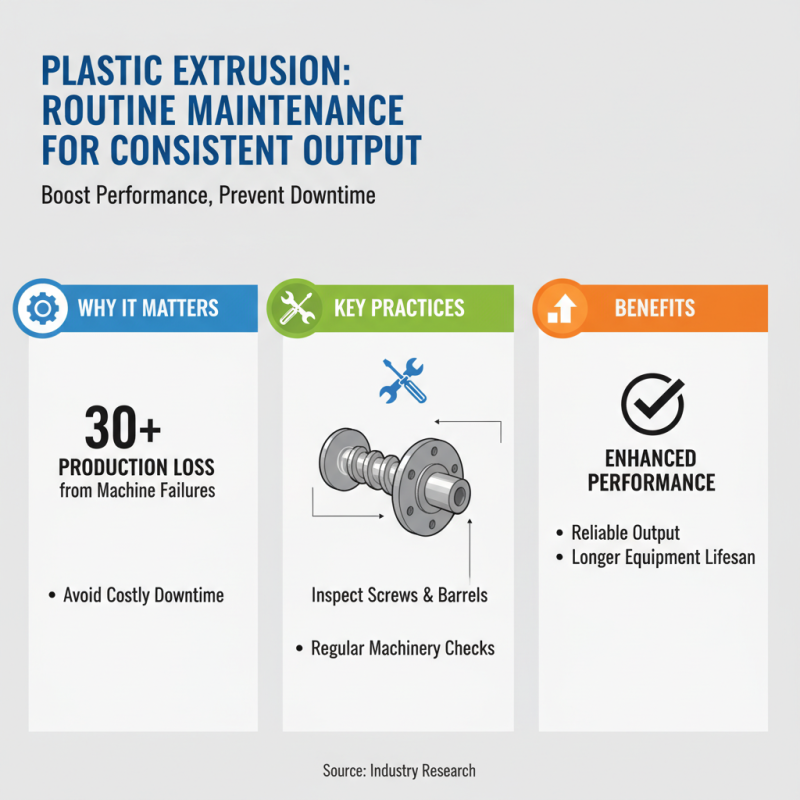
Routine maintenance is crucial in plastic extrusion. Regular checks on machinery will help avoid costly downtimes. Research indicates that over 30% of production losses stem from machine failures. Simple practices, like inspecting screws and barrels, can significantly enhance performance.
Documentation of maintenance activities is vital. Accurate records help in identifying recurring issues. This practice boosts accountability within teams. Additionally, having a standardized maintenance schedule can lead to a 15% increase in overall productivity. Operators should also be trained to recognize early signs of wear.
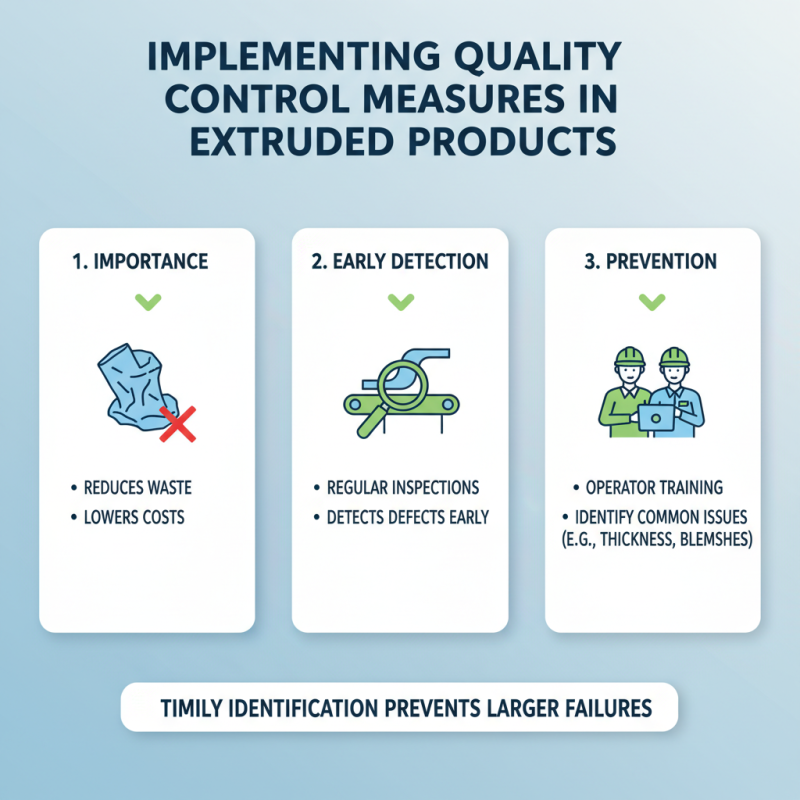
Emerging data suggest that even minor adjustments can yield substantial improvements. For instance, calibrating die settings can enhance product quality. However, many facilities overlook this step. Investing in employee training on these aspects can eliminate complacency. Regular maintenance ultimately shapes a productive environment, reducing waste and enhancing output.