Top Frequency Converters for Global Buyers in 2026?
In the ever-evolving landscape of electrical engineering, Frequency Converters play a pivotal role. These devices enable the conversion of electrical frequency, facilitating power supply to various applications. Experts believe that understanding the future of frequency converters is essential for global buyers. David Thompson, a leading authority in the frequency converter industry, once stated, “The advancements in frequency converter technology will reshape energy consumption.”
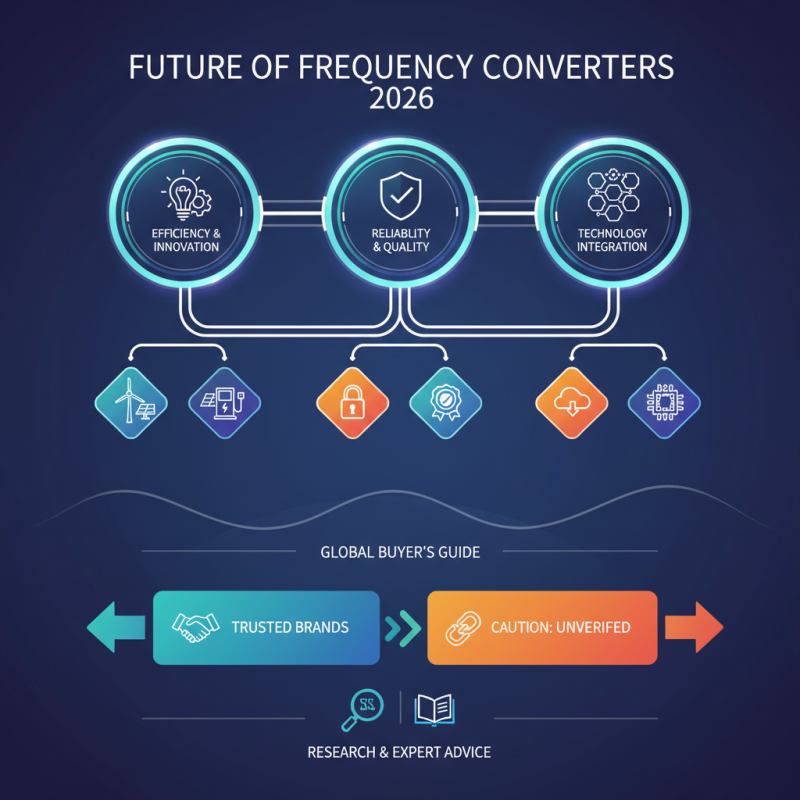
As we look ahead to 2026, it’s crucial to identify the top frequency converters available in the market. Various factors influence buyer decisions, such as efficiency, reliability, and technology integration. Companies are pushing boundaries, striving for innovative designs that ensure optimal performance while addressing environmental concerns.
However, not all manufacturers are equally reliable. Some lack transparency in their processes. This raises questions about quality assurance and market durability. Buyers must conduct thorough research and seek expert advice. The future of frequency converters is promising, yet the competition will challenge even the most established brands. Staying informed will be key to making sound purchasing decisions in this dynamic market.
Emerging Trends in Frequency Converter Technologies for 2026
As we approach 2026, the landscape of frequency converter technologies is rapidly evolving. One notable trend is the shift towards energy efficiency. New designs are prioritizing lower power consumption. This not only reduces costs but also helps the environment. Manufacturers are focusing on developing converters that minimize energy waste.
In terms of digital integration, smart frequency converters are becoming mainstream. These devices leverage advancements in IoT for better performance. They allow for remote monitoring and control. This can enhance operational efficiency. However, the reliance on technology brings challenges, like cybersecurity risks. Users must remain vigilant to protect their systems.
Tips for buyers include assessing energy efficiency ratings. Look for models that offer robust performance with minimal energy loss. Additionally, consider support and updates. Reliable manufacturers provide ongoing improvements and security patches. Evaluate their track record in customer support as well. Balancing tech features with practical functionality is crucial. The future of frequency converters is not just about innovation—it’s also about addressing real-world needs.
Top Frequency Converters for Global Buyers in 2026
| Model | Power Rating (kVA) | Input Voltage (V) | Output Voltage (V) | Frequency Range (Hz) | Efficiency (%) | Key Features |
| Model A | 150 | 400 | 230 | 50-60 | 96 | Compact design, lightweight, remote monitoring |
| Model B | 300 | 480 | 300 | 60 | 95 | Robust construction, high reliability, integrated cooling |
| Model C | 500 | 600 | 400 | 50-60 | 97 | State-of-the-art technology, customizable output |
| Model D | 200 | 400 | 230 | 50-60 | 94 | User-friendly interface, high operational flexibility |
| Model E | 100 | 230 | 115 | 50 | 93 | Portable, easy to operate, cost-effective |
Key Features to Look for in Frequency Converters
When selecting a frequency converter, buyers should focus on several key features that enhance operational efficiency. One critical aspect is the power rating. Ensure the converter can handle the required load without overheating or failing. Adequate power capacity contributes to reliability, especially in industrial applications.
Another vital feature is the input and output voltage range. This flexibility allows for compatibility with various systems. A wide range can accommodate different voltage requirements, making the device versatile. Additionally, monitoring capabilities are essential. Built-in diagnostics can help predict and prevent failures. Such features provide valuable insights into performance.
Consideration should also be given to the size and mounting options. Space constraints in facilities may necessitate compact designs. Some converters offer even flexible installation options, catering to various environments. Lastly, efficiency ratings should not be overlooked. High-efficiency models save energy and reduce operational costs in the long run. An informed buyer will weigh these features carefully to enhance operational reliability and performance.
Top Frequency Converters for Global Buyers in 2026
Top Frequency Converter Brands and Their Global Market Impact
In 2026, the global market for frequency converters will witness significant changes as technology advances. Brands focusing on energy efficiency and compact designs are likely to lead the charge. Buyers will increasingly seek solutions that offer both performance and sustainability. Features such as lower energy loss and enhanced heat management will become essential for users.
Market impact will depend heavily on innovation. Companies that adapt quickly to evolving standards will thrive. Some brands may struggle to keep pace, risking obsolescence. Reliable performance must remain a priority, but user experience also plays a critical role. Feedback from users will guide enhancements and reveal potential shortcomings in existing models.
Diverse applications of frequency converters span industries from renewable energy to manufacturing. A brand's reputation hinges on its ability to address unique challenges. Collaboration with experts in various fields can foster product development. It’s important to remain open to criticisms and consider them in future innovations. Each step forward must be rooted in solid engineering and user insights.
Critical Applications of Frequency Converters Across Industries
Frequency converters play a crucial role in various industries, enabling efficient energy management and adaptability. These devices change the frequency of electrical power to suit specific applications. From renewable energy systems to industrial machinery, frequency converters support a diverse range of operations. Their ability to convert power enhances system performance and reliability, reducing waste.
In the renewable energy sector, frequency converters link wind and solar power systems to the grid. They optimize energy output by adjusting the frequency of electricity generated. This technology also plays a key role in electric vehicles, where it facilitates smooth power conversion between the battery and electric motor. The automotive industry increasingly relies on frequency converters to improve efficiency and reduce energy consumption.
Implementing frequency converters requires careful consideration. Choosing the wrong type or size can lead to issues like overheating or inefficiency. Industry professionals must assess their specific requirements to make informed decisions. As technology advances, understanding how to integrate these converters effectively becomes more vital. Reflection on past implementations can guide future development and enhance performance.
Future Challenges and Innovations in the Frequency Converter Market
The frequency converter market faces unique challenges and innovations as it approaches 2026. A report issued by the International Energy Agency (IEA) projects that demand for energy-efficient solutions will rise. The market is expected to grow at a compound annual growth rate (CAGR) of 6% during this period. Increasing global energy consumption emphasizes the need for effective frequency converter technologies.
Innovation in this field is crucial. There is a push for more compact designs with higher efficiency. This helps in managing space within industrial setups. Research indicates that nearly 30% of energy is wasted in older systems. Modern frequency converters could potentially cut energy consumption by at least 20%. However, not all industries are ready for this upgrade. Some sectors may lack the necessary infrastructure or skills, slowing down the adoption rate.
Another concern is cybersecurity. As converters become more interconnected, their vulnerability to cyber threats increases. The majority of manufacturers are aware of this challenge but struggle to implement sufficient security measures. Efforts to create more durable and secure converters must become a priority. Overall, while advancements are promising, significant barriers still exist in terms of accessibility and security.

