Top Plating Current Rectifiers at the 139th Canton Fair?
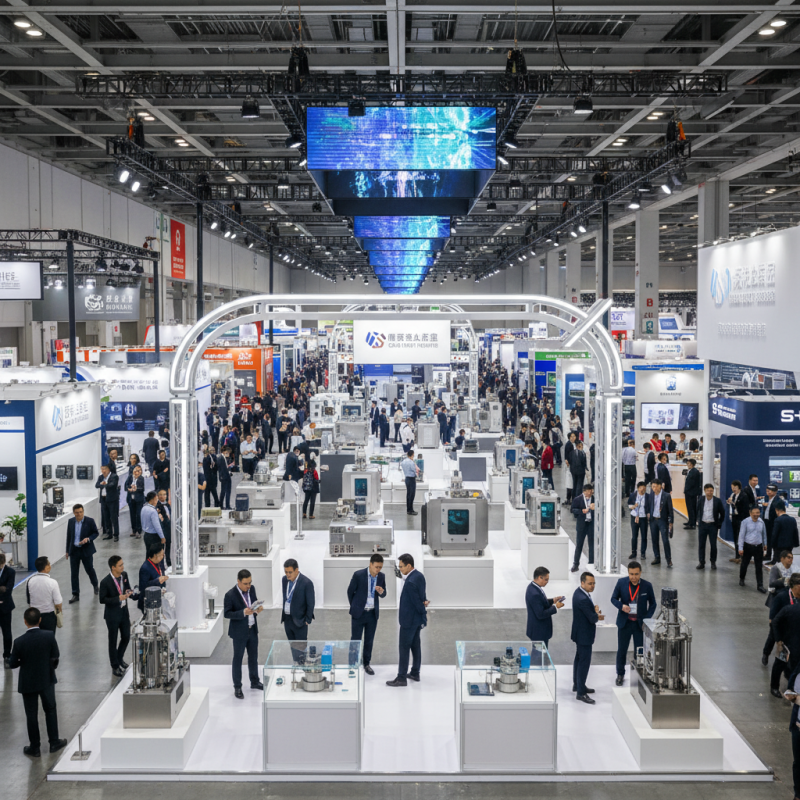
The 139th Canton Fair is set to showcase various innovations and advancements in technology, particularly highlighting the role of Plating Current Rectifiers. This event, taking place from April 15 to May 5, 2026, is a pivotal opportunity for manufacturers and suppliers in the electronics and manufacturing sectors. While exploring cutting-edge products, attendees will encounter a vast array of exhibitors focusing on the essentials of modern manufacturing.
The introduction of AI-driven search and navigation tools enhances the purchasing experience at the fair. Buyers can quickly locate suppliers with specific certifications, such as ISO and CE. However, even with these advancements, one must remain vigilant about supplier reliability. Not every showcased product will meet expectations; some may present challenges that warrant careful scrutiny.
Attending the fair can be an overwhelming experience due to the sheer volume of offerings. Plating Current Rectifiers, while essential in various applications, need thoughtful consideration. It’s crucial for potential buyers to evaluate the quality and reputation of the suppliers. The right choice can significantly impact production efficiency and product quality. A careful approach will ensure that the investments made lead to fruitful outcomes.
Overview of Current Rectifiers in the Market
As the industry evolves, current rectifiers stand out in the semiconductor market. These devices transform alternating current (AC) to direct current (DC), a critical function for electronic devices. Reports indicate a steady growth in demand, projected to reach $1.5 billion by 2025. However, the technology is not without flaws.
Issues such as efficiency loss during conversion and heat generation are common. Some rectifiers show a 10% decline in performance when overloaded. This highlights the importance of product selection in design applications. Market players must be aware of these limitations while pursuing innovative solutions.
Recent trends emphasize compact designs to enhance performance. Small packages allow for better thermal management. Yet, manufacturers still face challenges in maintaining reliability. A balance between size and efficiency remains a critical focal point. Understanding these nuances in current rectifiers is essential for future developments.
Key Features of Top Plating Current Rectifiers
The 139th Canton Fair showcased advanced plating current rectifiers, emphasizing their efficiency and performance. These devices convert alternating current (AC) to direct current (DC), ensuring optimal electroplating processes. Key features noted include high conversion efficiency, low energy losses, and compact design.
Industry reports indicate that modern rectifiers can achieve efficiency rates over 95%. This translates to significant energy savings, enhancing manufacturing productivity. Compact designs allow for easier installation and integration into existing systems. Such improvements help manufacturers meet increasing demands in the plating industry.
Tip: Regular maintenance can ensure longevity. Check connections and perform inspections regularly. Another tip: Stay updated on tech advancements. Innovations are constantly emerging, making it vital to assess performance continuously. Embracing new technologies can lead to improved productivity. However, organizations should evaluate their current systems before making upgrades. This reflection can help identify true needs versus wants.
Performance Evaluation Criteria for Rectifiers
Rectifiers play a crucial role in the plating industry, converting AC into DC efficiently. The performance evaluation of these rectifiers centers on several key criteria. Key metrics include output voltage stability, efficiency ratings, and thermal performance. Industry reports indicate that rectifiers should maintain an efficiency of at least 85% to be deemed effective. However, many products on the market fall short of this benchmark, resulting in energy losses.
Another aspect to consider is the output ripple. A ripple below 5% is ideal for plating processes. High ripple can lead to inconsistent plating quality, which is undesirable. Moreover, thermal management is critical. If rectifiers overheat, their lifespan diminishes significantly. This often goes unnoticed until performance drops. Reliable data from recent industry studies suggest that proper heat dissipation can increase longevity by up to 30%. Yet, many users underestimate this importance.
Tips: Regularly check output stability. Measure ripple frequently for consistent quality. If you notice overheating, address it immediately. These simple steps can dramatically enhance your rectifier's performance, ensuring a better plating process. Remember, even small details can make a big difference in efficiency and output quality.
Performance Evaluation of Top Plating Current Rectifiers
This chart presents the performance evaluation criteria for top plating current rectifiers as observed at the 139th Canton Fair. The metrics represented include Efficiency (%), Thermal Resistance (°C/W), and Operation Voltage (V).
Trends in Current Rectifier Technology at the Fair
The 139th Canton Fair showcased various innovations in current rectifier technology. This event highlighted an impressive array of rectifiers. Many manufacturers featured products that promise higher efficiency and durability. The focus was on sustainable materials. This shift reflects global environmental priorities.
One notable trend was the integration of smart technology. Smart rectifiers can adapt to varying electrical loads. They are designed for precision, offering real-time feedback. This means users can optimize their performance. However, there were challenges too. Some products faced operational inconsistencies during demonstrations. It’s essential to assess these aspects further.
Moreover, attendees noted the aesthetic improvements in design. Modern rectifiers now come with sleek and compact designs. This makes them more appealing for both industrial and domestic applications. Yet, the question remains: do looks compromise functionality? It’s crucial for manufacturers to balance form and performance effectively. Overall, the fair revealed promising advancements, but reflection on practical application is necessary.
Notable Exhibitors and Their Innovations in Rectifiers
The 139th Canton Fair showcased a variety of innovations in plating current rectifiers. This event highlighted the growing demand for energy-efficient solutions within the electronics industry. According to a recent industry report, the global market for rectifiers is projected to reach USD 11.2 billion by 2025, driven by advancements in technology.
Exhibitors presented various designs, focusing on enhanced performance and durability. Among the innovations was the inclusion of smart monitoring systems, allowing for real-time efficiency assessments. This aligns with the trend of integrating IoT within industrial components. However, there are challenges. For example, many companies struggle with balancing cost and innovation. Some prototypes lacked robustness in rigorous testing environments.
Moreover, sustainability remained a hot topic at the fair. Several exhibitors demonstrated eco-friendly materials in their rectifier components. However, not all solutions effectively addressed waste management. The industry needs clearer strategies for recycling electronic waste. Without concrete actions, the quest for greener alternatives may lag behind. Understanding these nuances is essential for progress.

