Top 5 Tips for Using Solenoid Valves in Irrigation Systems?
Irrigation systems play a crucial role in agriculture, providing essential water management. An increasing number of farmers and landscapers are adopting automated systems. One key component in these systems is the Solenoid Valve In Irrigation Systems. According to industry reports, about 70% of global freshwater withdrawals are used for irrigation. Efficient water delivery is vital in addressing water scarcity.
Solenoid valves offer precise control over water flow. They ensure that the right amount of water is delivered to plants, minimizing waste. However, not all installations are perfect. Many systems suffer from improper valve sizing or placement. This can lead to operational inefficiencies. Data shows that even small errors can reduce overall system performance by up to 30%.
Understanding the nuances of solenoid valve technology can enhance irrigation effectiveness. As the industry evolves, adopting best practices becomes essential. Recognizing potential pitfalls ensures better management of water resources. Moreover, it supports sustainable agricultural practices, which are becoming ever more critical in today’s context.
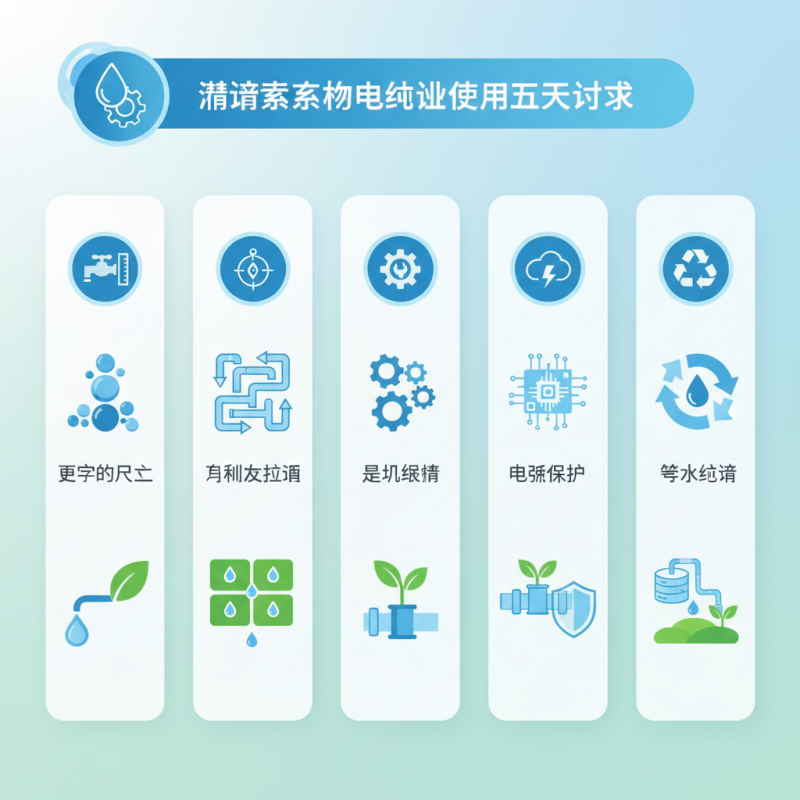
Understanding the Functionality of Solenoid Valves in Irrigation Systems
Solenoid valves play a crucial role in irrigation systems. They act as automated gates that control water flow. When electric current passes through the solenoid, it opens or closes the valve. This process is essential for efficient water management.
One tip for using solenoid valves is to ensure proper placement. If a valve is too far from the source, it may not function effectively. Install valves close to zones they control. This minimizes pressure loss. Regular maintenance is important too. Check for dirt or debris that might clog the valve. Clean the filters frequently.
You should also consider the voltage. Many solenoids operate on 24 volts. Others may require different voltages. Verify compatibility before installation. Improper voltage can damage the system. Be mindful of weather conditions as well. Extreme temperatures can affect valve performance. Insulate them if necessary to prolong their lifespan. It's easy to overlook these details, but small adjustments lead to better irrigation outcomes.
Key Factors Influencing Solenoid Valve Selection for Efficient Irrigation
When selecting solenoid valves for irrigation systems, several key factors come into play. Flow rate is crucial. The valve must match the system's requirements. Data shows that mismatched flow can lead to inefficiencies, wasting both water and energy. Look for valves that provide clear specifications. Choosing the right size ensures optimal performance, reducing the risk of leaks and malfunctions.
Another critical aspect is pressure ratings. Valves must withstand the system’s maximum pressure without failing. Industry reports indicate that improper pressure can lead to a 30% reduction in valve lifespan. Testing pressure levels before installation can prevent future issues.
Tips for using solenoid valves effectively include regular maintenance checks. These checks can identify wear and tear early. Additionally, ensure the electrical components are weatherproofed, minimizing exposure to elements. Solenoid coils also must be matched to the power supply. Mismatched voltage often leads to operational failure.
Ultimately, consider the environment in which the valve operates. Soil type, climate, and local regulations can influence valve performance. Be prepared to adjust your choices based on real-time data and observations. Sometimes, the most reliable choices stem from learning from past installations.
Maintenance Best Practices for Longevity of Solenoid Valves in Agriculture
Solenoid valves play a vital role in irrigation systems. Proper maintenance ensures their longevity and efficiency. According to a report by the Irrigation Association, poorly maintained valves can lead to a 20% reduction in water delivery efficiency. Regular checks and upkeep are essential for optimal performance.
Keep the valve clean. Dirt and debris can cause operational issues. A simple rinse can prevent clogging. Another tip is to schedule regular inspections. Finding and fixing small leaks early can save significant costs. In fact, leaks can waste up to 10,000 gallons of water a year.
Monitor pressure settings closely. Excessive pressure can lead to valve failure. Maintaining correct pressure can extend the life of the solenoid. Understanding pressure limits is critical. Many operators overlook the importance of calibration. Missing this can result in unexpected downtime.
Consider environmental factors. Intense weather can impact valve functionality. Make adjustments based on seasonal changes. Ignoring this may lead to frequent replacements. Farmers should always be proactive. Neglecting these details can cost more in the long run.
Common Challenges in Solenoid Valve Operation and Their Solutions
When using solenoid valves in irrigation systems, common challenges can arise. One issue is water pressure fluctuations. These can cause inconsistent valve performance. Ensure your irrigation system has a steady pressure. Installing a pressure regulator can help stabilize water flow.
Another challenge is dirt and debris clogging the valves. Regular maintenance is crucial. Clean the filters frequently to prevent blockages. Sometimes, complete valve replacement is necessary. If the valve becomes unresponsive, replacing it may be the only solution.
Here are a few tips: Check for leaks regularly. Small leaks can lead to bigger issues. Also, use solenoid valves rated for outdoor conditions. This can ensure longevity and reliability. Finally, always consult the valve's manual for specific installation tips. Keeping these in mind can improve system efficiency.
Integrating Smart Technology with Solenoid Valves for Modern Irrigation Systems
Integrating smart technology with solenoid valves transforms modern irrigation systems. Using sensors and IoT devices can enhance efficiency. Soil moisture sensors can guide the operation of your solenoid valves, ensuring water is used wisely. This prevents over-watering and contributes to healthier plants.
One tip is to set your system to respond to real-time weather data. If rain is forecasted, the system can adjust automatically. Another essential point is regular maintenance of your devices. Dirty filters and clogged valves can lead to inefficiencies. You may overlook this, but regular checks could save water and resources.
Smart controllers can help schedule watering times based on specific crop needs. Experiment with different settings to find what works best. Monitor the changes in plant health. Adjustments may be necessary, as every landscape is unique. Don't be discouraged by trial and error; it’s part of the learning process.

