Top Tips for Choosing the Right Hydraulic Pumps for Your Needs?
Choosing the right Hydraulic Pumps can be challenging. As industry expert Jack Thompson once stated, "The key to efficiency lies in selecting the right hydraulic pump for your application." Hydraulic pumps play a crucial role in various machinery and automotive applications. They provide the necessary force for fluid movement, making them essential in many sectors.
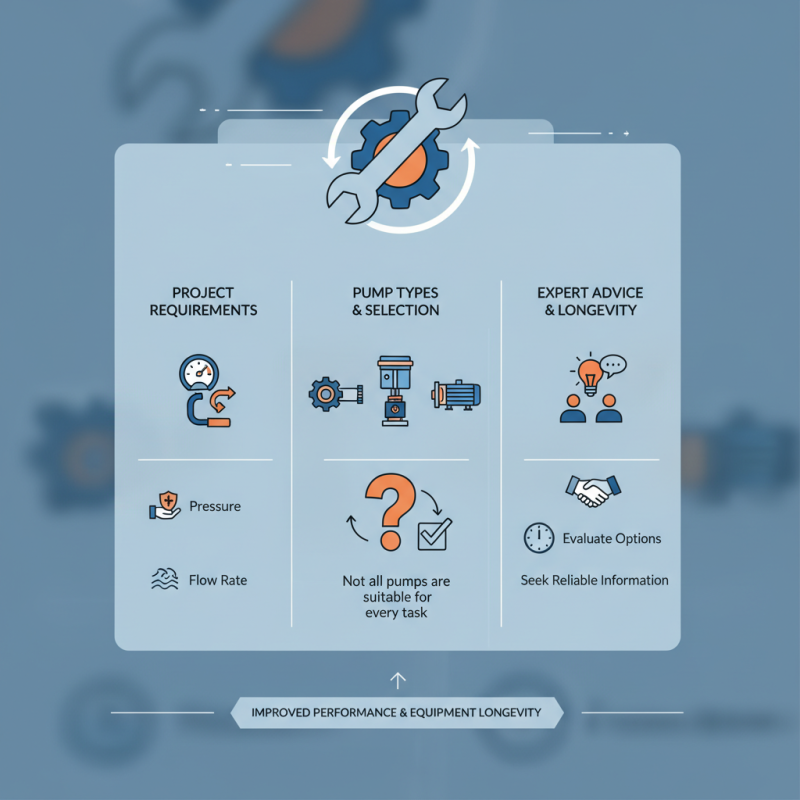
When selecting hydraulic pumps, several factors must be considered. This includes understanding the specific requirements of your project, such as pressure and flow rate. Not all pumps are suitable for every task. Improper selection can lead to inefficiencies or even equipment failures.
It's important to reflect on your choices. While some may rush into purchasing, taking time to evaluate different options will pay off. A deeper understanding of hydraulic pumps can lead to improved performance and longevity of your machinery. Always seek reliable information and expert advice before deciding.
Understanding Hydraulic Pump Types and Their Applications
When selecting hydraulic pumps, understanding the various types and their applications is crucial. Hydraulic pumps broadly fall into three categories: gear pumps, vane pumps, and piston pumps. According to industry reports, gear pumps dominate the market due to their simplicity and durability, ideal for low-pressure applications. Vane pumps offer good efficiency at moderate pressures, making them suitable for industrial machines. Piston pumps excel in high-pressure environments, often used in construction and heavy lifting.
Choosing the right type depends on specific needs. Consider pressure requirements, flow rates, and the fluids involved. For lower viscosity fluids, gear pumps may suffice. For more demanding scenarios, piston pumps provide the necessary power. A recent market analysis found that over 45% of users prioritize efficiency and reliability in their choices.
Tip: Always evaluate your system’s demands before purchasing. An improper selection can lead to inefficiencies. Testing the pump under real operating conditions can highlight potential issues.
Another important factor is maintenance. Regular inspections can prolong lifespan. According to data, about 30% of pump failures result from poor maintenance. Establish a routine to check seals, fluid levels, and overall pump conditions.
Key Specifications to Consider When Choosing Hydraulic Pumps
When selecting hydraulic pumps, understanding key specifications is crucial. The pump's flow rate, often expressed in liters per minute (LPM), directly impacts efficiency. A common mistake is misjudging the required flow rate. For example, construction equipment may require up to 100 LPM for optimal performance. Research from the Hydraulic Institute suggests that more than 30% of equipment failures stem from improper pump selection.
Pressure rating is another critical specification. Most hydraulic pumps operate between 1,000 and 3,000 psi. Exceeding this range can lead to catastrophic failures. It’s often overlooked that different applications demand different pressure levels. Ignoring this can result in inefficiencies or costly downtime. A study indicated that 25% of companies face increased operational costs due to inappropriate pressure settings.
Lastly, consider the pump's material. Hydraulic pumps face harsh environments, from extreme temperatures to exposure to chemicals. Selecting a pump made from durable materials enhances reliability. Data shows that materials like cast iron and aluminum are commonly preferred for their strength. However, the use of lower-quality materials can lead to premature wear and frequent replacements. An analysis revealed that 20% of businesses reported failures linked to inferior material choices.
Assessing Flow Rate and Pressure Requirements for Your System
When selecting hydraulic pumps, assessing flow rate and pressure requirements is crucial. The flow rate refers to the volume of fluid the pump moves in a certain time. A pump can't operate efficiently if its flow rate does not meet your system's needs. For example, if the demand is too high for the pump's capacity, the system might lag or fail. Think about your application carefully.
Pressure requirements are equally important. They determine how much force the pump must generate to move fluid through the system. If the pressure is too low, the system may accidentally allow leaks or inefficiencies. Visualize the components: cylinders, valves, and hoses require specific pressures for optimal performance.
It's also important to reflect on your choices. Sometimes, users choose based solely on current needs. This might overlook future demands and potential upgrades. Understanding these parameters ensures better performance and longevity. Conduct thorough research and consult professionals when necessary. Your operational success may depend on these decisions.
Evaluating Efficiency and Energy Consumption of Hydraulic Pumps
When evaluating hydraulic pumps, efficiency is a key concern. High efficiency means lower energy consumption. Choosing a pump with appropriate specifications can greatly impact operational costs. Look for pumps that offer optimal flow rates and pressure ratings for your specific applications. These factors influence how much power is required, directly affecting energy bills.
Energy consumption is another critical factor to consider. The design and components of the pump affect its performance and energy use. Analyze the hydraulic system’s overall efficiency. A mismatch between pump size and system demand can lead to energy wastage. Smaller pumps may struggle, while larger pumps may operate inefficiently. Proper sizing is essential for balancing performance and consumption.
It's important to remember that not all pumps are created equal. Some models may promise high efficiency but lack real-world effectiveness. Regular reviews and adjustments might be necessary to maintain peak performance. It's wise to consult with experts and consider operational feedback. Validating the efficiency claims of a pump with real case studies can guide better choices.
Hydraulic Pumps Efficiency Comparison
This chart illustrates the efficiency and energy consumption of various types of hydraulic pumps. Each bar represents the efficiency percentage, while the energy consumption is indicated alongside for comparative analysis.
Maintenance and Longevity Considerations for Hydraulic Pump Selection
Selecting the right hydraulic pump involves understanding maintenance and longevity factors. According to industry reports, about 70% of hydraulic pump failures stem from inadequate maintenance practices. Regular inspections and adherence to recommended service intervals can significantly enhance pump life.
Fluid cleanliness is critical. Contaminants in hydraulic fluids can lead to wear and tear. A study showed that maintaining fluid cleanliness can extend pump life by 50%. Consider filtration systems that remove particulates. Monitoring fluid levels and replacing fluids as needed is essential too.
Temperature is another crucial factor. Operating a pump outside its recommended temperature range can accelerate wear. Using pumps designed for high-temperature applications may seem costly, but it can save money in the long run. Always refer to manufacturer guidelines for maintenance schedules and operational limits. Ignoring these can lead to costly downtimes.

