Top Tips for Choosing the Best Plastic Pallet Mold Options?
Choosing the right Plastic Pallet Mold is crucial for businesses focused on efficiency and cost-effectiveness. Industrial expert James Thompson notes, "A well-designed mold can significantly reduce production costs and time." This highlights the importance of selecting the best options available.
In today's market, the right mold can make or break your production line. The design affects durability and performance. Businesses must weigh various factors, including material quality and mold design, to ensure optimal output. A poor choice may lead to increased defects and waste.
Investing time in research and understanding different Plastic Pallet Mold options can yield long-term benefits. Although the selection process might seem daunting, reflecting on past choices can provide valuable insights. It's essential to balance innovation with practicality. Every detail counts in molding processes, and careful consideration enables businesses to thrive.
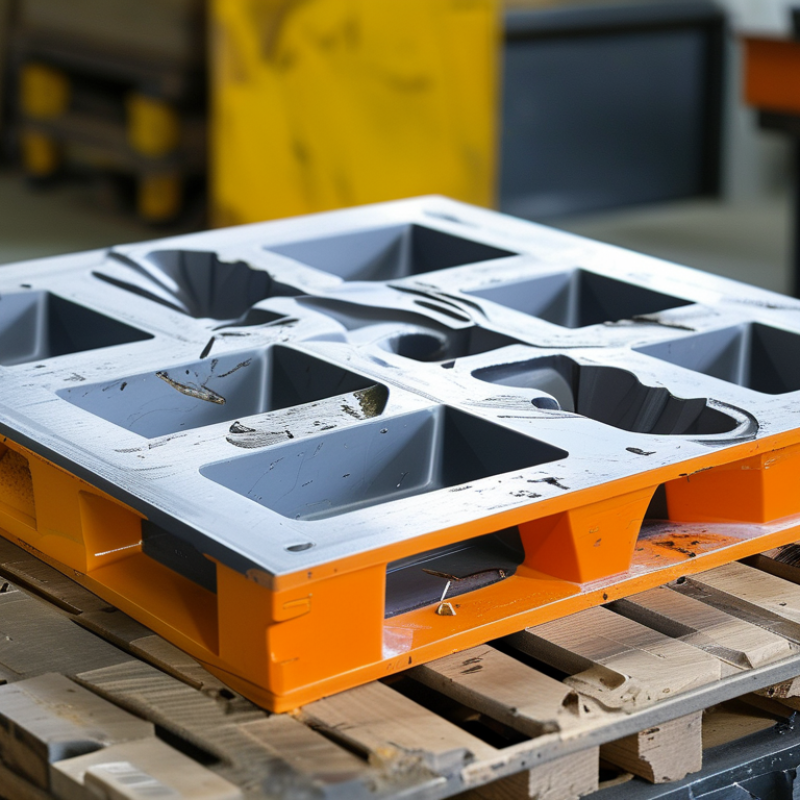
Understanding the Types of Plastic Pallet Molds Available in the Market
When selecting plastic pallet molds, understanding the types available is crucial. There are several variations designed for different applications. For instance, open deck designs allow for better airflow, making them suitable for perishable goods. Closed deck molds provide a solid surface, ideal for fragile items. Consider how you plan to use the pallets to choose wisely.
Another factor is the material used in the mold. High-density polyethylene (HDPE) is popular for its strength and durability. It can withstand heavy loads, making it a reliable choice. On the other hand, polypropylene molds are lighter, which can facilitate easier handling. Weigh the advantages of each material against your specific needs.
Tip: Always visualize the intended use of your pallets before deciding. This approach helps prevent costly mistakes. Additionally, assess the design features that matter most for your operations. Are you looking for stackability or durability? Reflect on these aspects to find a mold that fits perfectly. A bit of research goes a long way in making the right choice.
Top Tips for Choosing the Best Plastic Pallet Mold Options
| Mold Type | Material Used | Typical Applications | Weight Capacity | Cooling Time |
| Injection Mold | Polypropylene (PP) | Warehouse Storage, Shipping | 1200 kg | 3-5 minutes |
| Blow Mold | Polyethylene (PE) | Food and Beverage Industry | 1000 kg | 4-6 minutes |
| Thermoform Mold | PVC | Retail and Display | 800 kg | 2-4 minutes |
| Compression Mold | Recycled Plastics | Heavy Duty Applications | 1500 kg | 5-8 minutes |
Key Factors to Consider When Choosing a Plastic Pallet Mold
When selecting a plastic pallet mold, several key factors come into play. Material quality is crucial. Molds must withstand multiple cycles. Durable materials extend the mold's lifespan. According to the Plastics Industry Association, high-quality molds can improve production efficiency by 30%. Evaluating the mold's design is equally important. A well-designed mold ensures precise dimensions and minimizes waste.
Consider production volume requirements. Higher volumes require molds that can produce quickly and consistently. Research indicates that production downtime can cost companies approximately $1,000 per hour. This cost emphasizes the need for robust mold solutions that support continuous operation.
Design flexibility should not be overlooked. The ability to customize molds can enhance operational efficiency. Some molds allow for modifications based on specific pallet dimensions. This adaptability can result in cost savings and optimize space. Industry experts stress that understanding these factors can lead to better long-term investments in mold technology.
Evaluating the Cost-Effectiveness of Different Mold Options
When evaluating the cost-effectiveness of plastic pallet molds, it’s vital to assess materials and manufacturing processes. Reports indicate that injection molds can cost between $5,000 to $100,000, depending on complexity and design. This initial investment is substantial. However, the durability of plastic molds can lead to lower costs over time.
Manufacturers reported that well-designed molds yield higher production rates. For example, optimally designed molds can produce up to 1,000 pallets per day. This can significantly decrease per-unit costs. An efficient mold reduces waste and enhances material usage. However, flawed designs may lead to inefficient production, negating the initial savings.
Maintenance also plays a key role in overall cost. Molds require periodic maintenance, which adds hidden costs. A well-maintained mold can last up to 5 years, while poorly maintained ones may need replacement within 2 years. Monitoring these factors can help companies assess their true return on investment. Balancing upfront costs with long-term durability is crucial for manufacturers.
Assessing the Durability and Performance of Plastic Pallet Molds
When selecting plastic pallet molds, durability and performance are crucial factors. Statistics show that well-engineered plastic pallets can last up to ten years with proper use. Understanding the materials used in molds helps in assessing their lifespan. High-density polyethylene (HDPE) and polypropylene are popular choices due to their strong resistance to impact and temperature extremes.
However, even the best materials can present challenges. Molds may not always perform consistently across different manufacturing environments. Variations in humidity and temperature can affect the final product. A quality assurance process is essential to mitigate these risks.
Additionally, consider the design of the mold. The geometry must accommodate heavy loads without deforming over time. A poorly designed mold can lead to issues such as warping, which compromises the pallet's integrity. Engineering reports indicate that up to 30% of issues stem from these design failures. Therefore, it is vital to partner with experienced manufacturers who can provide reliable molds tailored for specific applications.
Durability Assessment of Plastic Pallet Molds
Exploring Customization Options for Plastic Pallet Molds
When it comes to selecting plastic pallet molds, customization plays a vital role. Various factors influence your decision, such as size, shape, and design features. Many businesses need specific dimensions or capacities to fit their logistics. Custom molds can cater to unique needs effectively. Whether you require lightweight options or heavy-duty pallets, tailoring the design can enhance functionality.
Additionally, consider material choices for your custom molds. Different types of plastic offer distinct advantages. For instance, some plastics are more durable, while others provide better flexibility. It's essential to weigh the pros and cons of each material. Testing prototypes may also highlight areas needing improvement. Engaging with experienced professionals in the field can provide insight into innovative features, such as integrated barriers or stacking designs.
Communication with mold manufacturers is crucial. Providing clear specifications minimizes misunderstandings. Yet, creating a well-informed, customized solution often involves trial and error. Adapting designs based on practical feedback can lead to more effective solutions. Keep in mind that the customization process may take time. However, these efforts ultimately enhance your product’s effectiveness in the supply chain.

