Rutile Titanium Dioxide Pigment Buying Tips for Global Buyers?
When considering the purchase of Rutile titanium dioxide pigment, understanding the market's dynamics is essential. John Smith, an expert in the titanium dioxide industry, emphasizes, "Quality is key when sourcing pigments." His insight guides buyers in their quest for reliable suppliers.
Navigating the complexities of Rutile Titanium Dioxide Pigment can be daunting. Buyers often face challenges related to quality, pricing, and supplier reliability. Many find it hard to discern between genuine producers and those cutting corners. It's crucial to evaluate certifications and industry standards. This ensures that the pigments meet necessary requirements for various applications.
Moreover, the sourcing process demands a careful approach. Establishing relationships with trusted suppliers can be time-consuming but rewarding. Remember, missteps in selecting Rutile Titanium Dioxide Pigment suppliers can lead to costly mistakes. Stay informed about market trends to make well-rounded decisions. Balancing quality and cost is not easy, but it is vital for success in this industry.
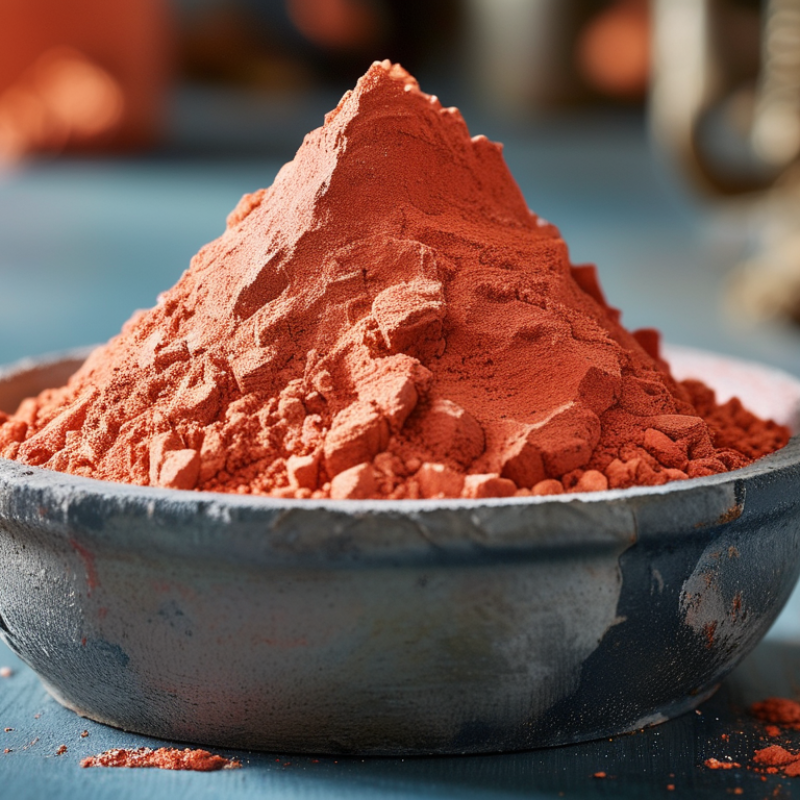
Understanding Rutile Titanium Dioxide Pigment and Its Applications
Rutile titanium dioxide (TiO2) pigment is widely used in various industries. Its applications include coatings, plastics, and cosmetics. The pigment's durability and brightness make it a preferred choice globally. A report by MarketsandMarkets indicates that the global titanium dioxide market is expected to grow from $16.6 billion in 2020 to $23.7 billion by 2025, with a CAGR of 7.3%.
In coatings, rutile TiO2 enhances opacity and weather resistance. This pigment provides a protective layer that resists fading and degradation. In the plastic industry, it improves UV resistance and helps in stabilizing polymers. Interestingly, the pigment also plays a vital role in the food and cosmetic industries, where it is valued for safety and aesthetic qualities. However, sourcing high-quality TiO2 can be challenging. Factors such as grade, purity, and suppliers' reliability must be considered.
Prospective buyers need to examine specifications carefully. Analyzing the sourced pigment’s performance in real-world applications is crucial. Issues may arise if the quality does not match expectations. Moreover, fluctuating prices and potential supply chain disruptions are common challenges. Staying informed about market trends can help buyers make better decisions. Engaging with industry experts provides additional insights into selecting reliable sources.
Key Characteristics to Consider When Buying Rutile Titanium Dioxide
When buying rutile titanium dioxide pigment, it is crucial to consider several key characteristics that influence quality and performance. One vital aspect is the particle size distribution. Studies have shown that a narrow particle size can improve opacity and brightness, which are essential for various applications. A report by the Global Pigment Market indicates that pigments with a mean particle size below 200 nanometers exhibit superior hiding power.
Another important characteristic is the purity level of the pigment. Impurities can significantly affect performance and durability. High-purity rutile titanium dioxide typically contains over 99% TiO2, ensuring optimal color retention and stability. A report from a leading chemical industry analysis highlights that lower purity levels can lead to decreased opacity and increased fading over time.
Surface treatment is also critical. Treated pigments can enhance dispersion and reduce agglomeration. This treatment often results in better performance in coatings, plastics, and inks. However, it’s important to remember that not all treatments are compatible with every application. Buyers need to consider the specific end-use to make an informed decision. Reliability in sourcing is key, as not all suppliers maintain the same standards. Thus, due diligence in evaluating suppliers and their product specifications is essential for optimal purchasing decisions.
Identifying Reliable Suppliers for Rutile Titanium Dioxide
Identifying reliable suppliers of rutile titanium dioxide is a crucial task for global buyers. Start by researching potential suppliers online. Look for information about their production methods and quality control measures. A supplier with a transparent process demonstrates accountability. Seek out reviews from previous customers. These insights often reveal underlying issues or exceptional service.
It’s important to request samples before making large orders. This allows you to assess the pigment’s quality firsthand. Evaluating the product’s performance in your specific applications is essential. Lack of consistency in the samples could indicate future problems in supply. Engage directly with suppliers to discuss their certifications and compliance with industry standards. Genuine suppliers should be open about their credentials.
Consider attending industry trade shows or exhibitions. This gives you the opportunity to meet potential suppliers face to face. Building relationships can enhance communication and trust. However, take note of suppliers who make exaggerated claims. Always verify their capabilities and past performance. Trust is earned slowly, so proceed with caution. Relying on established networks can also be beneficial in finding reputable suppliers. Always keep an eye out for red flags in their business practices.
Rutile Titanium Dioxide Pigment Price Comparison
Assessing Quality Standards and Certifications for Pigment Purchase
When purchasing rutile titanium dioxide pigment, it is essential to evaluate quality standards and certifications. Buyers must look for pigments that meet industry benchmarks. According to the Titanium Dioxide Manufacturers Association (TDMA), a quality ASTM D476 standard is critical for ensuring high performance in various applications.
Certification marks like ISO 9001 or ISO 14001 indicate a manufacturer's commitment to quality management and environmental responsibility. Reliable suppliers often undergo rigorous testing to comply with these standards. Reports show that pigments meeting these criteria exhibit greater opacity and stability, making them more effective in coatings and plastics.
However, not all manufacturers provide transparent information. Some may lack proper certifications while claiming high quality. It is crucial to request documentation. Limited transparency can lead to purchasing subpar products, impacting the intended application. Evaluating suppliers carefully can prevent costly mistakes. Relying on third-party reports can also provide insights into a supplier's reputation and historical performance.
Rutile Titanium Dioxide Pigment Quality Assessment
| Parameter | Standard | Test Method | Certification |
| TiO2 Content | ≥ 94% | ISO 591-1 | ISO 9001 |
| Color Index | Titanium White | ASTM D 1500 | ASTM D 4236 |
| Oil Absorption | ≤ 20 g/100g | ASTM D 281 | CE |
| Particle Size | Average 200 nm | Laser Diffraction | REACH |
| pH Level | 6.0 - 8.0 | ISO 787/9 | FDA |
Cost Factors and Pricing Trends in Rutile Titanium Dioxide Market
The market for rutile titanium dioxide (TiO2) has shown significant price fluctuations in recent years. According to industry reports, the average price of rutile TiO2 rose by about 20% in 2022, driven primarily by increasing production costs and supply chain disruptions. Factors like rising energy prices and stricter environmental regulations have impacted manufacturing expenses. Global buyers need to consider these variables when assessing costs.
Pricing trends reveal that demand from emerging markets has surged, contributing to tighter supply. The Asia-Pacific region is a major consumer, with a notable rise in construction and automotive sectors. Reports indicate that consumption in this region increased by 15% year-on-year. However, buyers may face challenges in sourcing raw materials as production capacities are still recovering from previous disruptions.
Understanding these cost factors is crucial. Companies must stay informed about market analytics and forecast trends. Regular updates from trusted industry sources can help buyers navigate the complexities of the rutile titanium dioxide market. Maintaining flexibility in procurement strategies can mitigate risks associated with price volatility.

