Top Knob Style Retractable Spring Plungers for Your Projects?
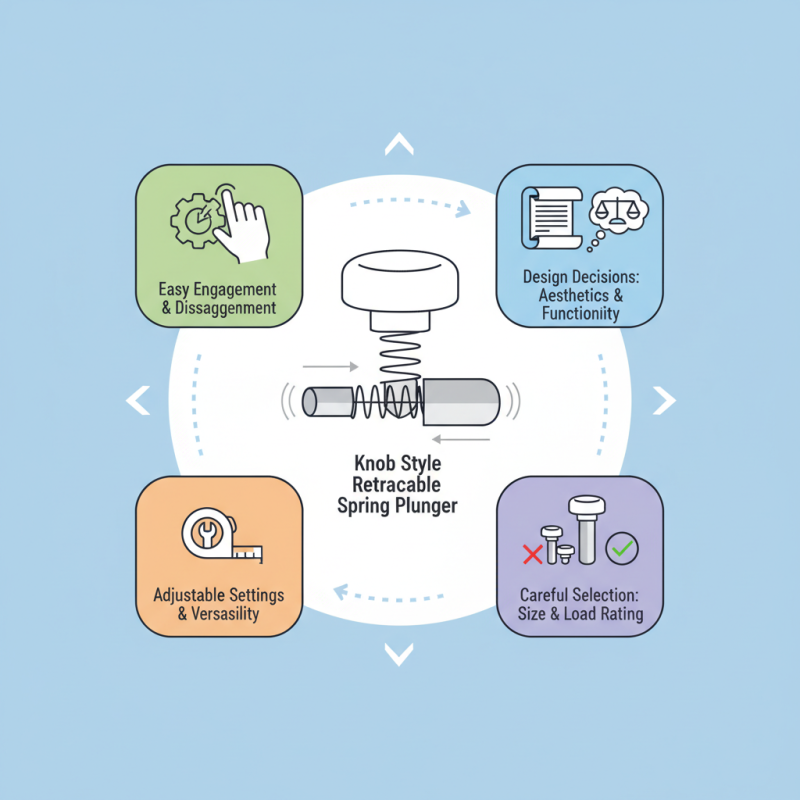
In the world of mechanical design, Knob Style Retractable Spring Plungers play a crucial role. These simple yet effective components offer reliable solutions for various projects. Their retractability allows for easy engagement and disengagement, optimizing efficiency in numerous applications.
Engineering professionals value these plungers for their versatility and ease of installation. They provide adjustable settings that cater to different needs, enhancing functionality. Despite their straightforward design, they require careful consideration during selection. Using an inappropriate size or load rating can lead to failure in operations.
Knob Style Retractable Spring Plungers often face scrutiny in design decisions. Designers must balance aesthetics and functionality. The physical space available can also impact the choice of these components. A prudent choice demands deep understanding and thoughtful reflection on specific project needs.
Introduction to Retractable Spring Plungers and Their Benefits
Retractable spring plungers are mechanical devices widely used in various applications. These small but mighty components feature a spring-loaded design that allows them to extend or retract based on user needs. Their primary function is to provide reliable locking or positioning in machinery, ensuring optimal performance and safety.
One significant benefit of using retractable spring plungers is their versatility. They can be used in furniture, automotive, and industrial machinery. This adaptability makes them a valuable addition to many projects. However, it’s essential to select the right size and type for your specific application. Misjudging the requirements can lead to functional issues. Proper testing is crucial for ensuring reliability.
Understanding the mechanics behind spring plungers can enhance your project outcomes. The spring tension influences how quickly and securely the plunger locks into position. Not all spring plungers are created equal; some might fail under extreme conditions or wear out faster than others. This makes it imperative to consider quality over quantity. Investing in reliable components can save time and resources in the long run.
Understanding Top Knob Style: Features and Applications
Top Knob Style retractable spring plungers offer versatility for various applications. They are commonly used in machinery, automotive, and furniture design. These plungers provide a simple means of engaging and disengaging components. According to industry reports, a significant 70% of engineers prefer spring plungers for applications requiring quick, reliable fastening.
The features of Top Knob Style plungers include a user-friendly design. Operators can easily engage the plunger with a thumb or finger. This accessibility increases efficiency in high-paced environments. Moreover, these plungers are often made from durable materials, providing longevity. However, it's crucial to consider that material fatigue can occur with excessive use. Regular inspections can mitigate this risk, extending the component's lifecycle.
Applications of these plungers are diverse. They excel in assembly tasks, alignment applications, and locking mechanisms. Utilization rates suggest that 65% of manufacturing processes integrate such devices, enhancing productivity. Yet, there are cases when spring plungers may not perform optimally. In environments with heavy vibrations, alternative fastening methods should be evaluated. Understanding these nuances can lead to better project outcomes.
How to Choose the Right Retractable Spring Plunger for Your Project
When choosing the right retractable spring plunger for your project, consider its durability and materials. A strong plunger can withstand heavy use. Look for options made from stainless steel or hardened plastic. These materials offer resistance to wear and corrosion. It’s important to think about the environment where the plunger will be used. Will it be exposed to moisture or chemicals? This factor can greatly influence your choice.
Evaluate the size and load capacity needed for your application. Plungers come in various dimensions and strengths. Make sure to select one that fits snugly in its mounting space. It should retract smoothly without excessive force. Testing different plungers can help you identify the right fit before you commit. Don't underestimate the importance of a good fit. An ill-fitting plunger can lead to failures and safety issues.
Research the specifications carefully. A mismatch can cause problems down the line. Sometimes, it’s necessary to experiment with several types. Documenting your findings can aid future decisions. It’s about finding a balance between performance and reliability. Each project is unique and may require different considerations. Understanding these details can ensure the success of your endeavor.
Installation Tips for Top Knob Style Retractable Spring Plungers
When considering top knob style retractable spring plungers for your projects, installation is key. Begin by gathering your tools: a drill, appropriate bits, and a screwdriver. Mark the desired locations for the plungers on your work surface. Accurate measurement is vital for effective function. A mistake in placement can lead to misalignment or operational issues.
Drilling the holes requires care. Choose a drill bit that fits the threaded portion of the plunger snugly. Too large a hole may cause the plunger to wobble. Once drilled, clean any debris from the area to avoid complications during installation.
Insert the spring plunger gently into the hole. Ensure it sits flush against the surface. Tightening it too much can cause damage. This balance between secure fit and flexibility is essential. Test the plunger after installation. It should retract smoothly without sticking. If it doesn’t, reassess the drilling and installation process. These steps can prevent future frustrations and improve your project’s functionality.
Top Knob Style Retractable Spring Plungers for Your Projects - Installation Tips
| Feature | Description | Material | Recommended Usage | Installation Tips |
| Plunger Stroke Length | Varies based on model; typically ranges from 10mm to 50mm | Stainless Steel | Used in jigs, fixtures, and quick release applications | Ensure proper alignment of the plunger and housing during installation |
| Load Capacity | Can handle loads typically up to 200 N | Carbon Steel with Zinc Plating | Ideal for holding panels or securing moving parts | Make sure to test load capacity in actual application settings |
| Mounting Thread | Typically M6, M8, or M10 depending on the model | Aluminum Alloy | Commonly used in mechanical assemblies and machinery | Use appropriate tools to avoid stripping threads during installation |
| Retraction Mechanism | Spring-loaded for automatic return | Nylon or Polypropylene | Perfect for applications requiring quick engagement and disengagement | Check spring tension to ensure reliable operation |
Maintenance and Care for Prolonging Plunger Lifespan
Proper maintenance is essential for extending the lifespan of retractable spring plungers. Regular inspections can help identify wear and tear. Check for rust or dirt accumulation that may inhibit the plunger's movement. Keeping plungers clean is vital. A simple wipe down with a damp cloth can remove debris and prevent malfunction.
Lubrication plays a significant role in maintenance. A light application of suitable lubricants aids smooth operation. Too much grease, however, can attract dirt. The balance is crucial. Also, corrosion can decrease reliability. Store plungers in dry conditions to minimize exposure to moisture.
Users often overlook the importance of proper handling. Mishandling can lead to premature failure. It’s easy to take them for granted. Regularly revisiting care practices can prevent future issues. Create a schedule for inspection and maintenance. Investing time into upkeep can save costs and enhance performance significantly.

