Top Quality Neodymium Magnets for Global Buyers?
In the realm of magnets, few materials match the strength and versatility of Neodymium Magnet. Recognized as the strongest permanent magnets available, these magnets are essential for various applications, from consumer electronics to industrial machinery. Dr. Emily Carter, a leading expert in magnet technology, states, "Neodymium Magnets have transformed how we approach design and functionality."
As global buyers seek top-quality Neodymium Magnets, understanding their unique properties becomes crucial. These magnets exhibit remarkable strength, capable of lifting significantly heavier objects than traditional magnets. However, sourcing them can be challenging due to quality variations in the market. Ensuring reliability in suppliers is vital for end-users.
The Neodymium Magnet industry is ever-evolving. Buyers often encounter differing standards and ethical concerns. It’s important to reflect on the potential for deception in sourcing. Quality assurance and trustworthiness should guide purchasing decisions. Emphasizing these factors will lead to better outcomes and satisfaction in the long run.
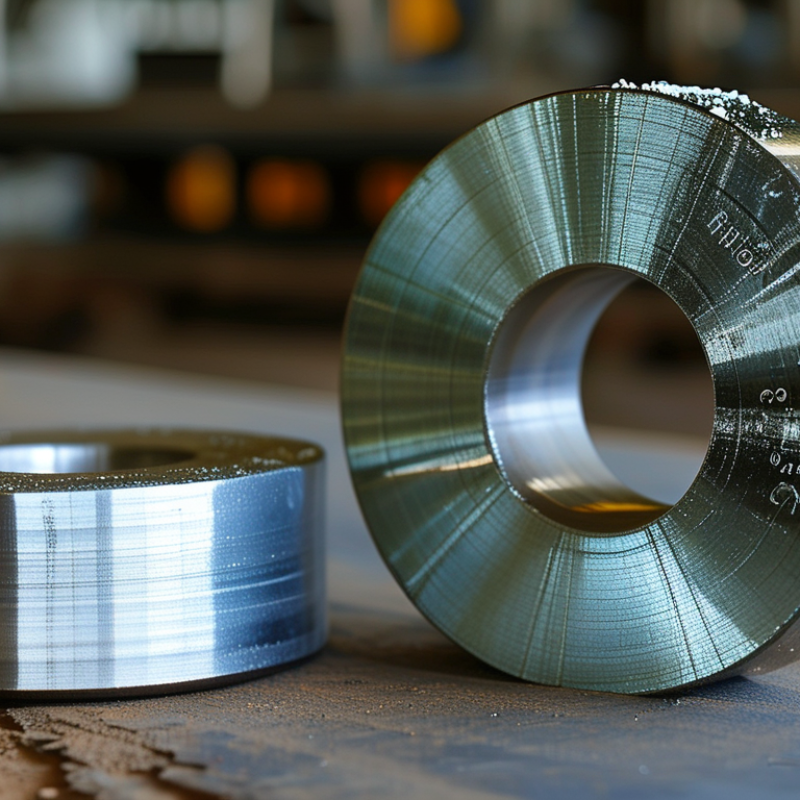
Understanding Neodymium Magnets: Properties and Applications
Neodymium magnets are known for their exceptional strength. These rare-earth magnets are primarily made of neodymium, iron, and boron. Their remarkable magnetic properties make them essential in various applications. You can find them in motors, generators, and even miniaturized electronics.
The unique composition gives neodymium magnets their impressive pull force. Despite their small size, they outperform other magnets by significant margins. However, handling them requires caution. Their strong attraction can lead to pinching injuries. It’s essential to use them responsibly, especially in educational and industrial settings.
In many applications, neodymium magnets excel due to their versatility. For example, in magnetic resonance imaging (MRI), they play a crucial role. Yet, their performance may degrade in high-temperature environments. Users should consider this limitation when selecting the right magnet. Understanding these factors can enhance their effectiveness in specific uses.
Top Quality Neodymium Magnets: Properties and Applications
Types of Neodymium Magnets: Form and Function
Neodymium magnets are known for their exceptional strength and versatility. These rare earth magnets come in various shapes and sizes, each serving different functions. The most common forms include disc, block, and sphere magnets. Disc magnets are widely used in motors and sensors. Their compact design allows for efficient applications in tight spaces. Block magnets are ideal for industrial uses, providing strong holding capabilities.
According to a recent industry report, the demand for neodymium magnets in the automotive sector is projected to grow by over 20% in the next five years. This rise is driven by their usage in electric vehicles and advanced automotive systems. Sphere magnets, while less common, play a role in educational tools and scientific demonstrations.
However, sourcing high-quality neodymium magnets poses challenges. Variability in material purity can affect performance. A thorough understanding of manufacturing standards is crucial for buyers. Reliability in the supply chain is essential to ensure consistent quality. Many buyers may overlook these factors, leading to potential inefficiencies in their applications. Understanding the nuances of neodymium magnets can significantly enhance their effectiveness in diverse industries.
Key Industries Using Neodymium Magnets Worldwide
Neodymium magnets are essential in various industries globally. They are known for their strength and versatility. Many sectors rely on these powerful magnets for different applications. The automotive, electronics, energy, and medical industries are notable examples.
In automotive manufacturing, neodymium magnets improve the performance of electric vehicles. They are used in motors and sensor systems. The efficiency gained can make a significant difference in vehicle range and energy consumption. In electronics, these magnets are crucial for speakers, headphones, and other devices. They enhance sound quality and reduce the size of components.
Tips: Ensure proper magnetic handling. These magnets can break if dropped. Always keep them away from electronic devices. In medical applications, neodymium magnets are vital for MRI machines. They contribute to clearer imaging and better diagnostics. However, reliance on these magnets also poses challenges in sourcing.
Procurement can face fluctuations in availability. Manufacturers need to stay informed about market trends. Balancing quality with cost is key in obtaining these magnets. This reflects the ongoing evolution and dependency on neodymium across industries, yet also emphasizes the importance of adaptability in sourcing strategies.
Factors to Consider When Sourcing Neodymium Magnets
When sourcing neodymium magnets, several critical factors demand attention. Quality is paramount. These magnets should meet specific standards for strength and durability. Look for certificates that indicate compliance with international standards. Checking for reliability in distribution is also essential. A trusted supplier should demonstrate transparency in their manufacturing processes and provide samples for evaluation.
Tips: Always request detailed specifications when evaluating potential suppliers. This ensures you understand the product’s capabilities fully. Additionally, consider the magnet's coating. A good coating protects against corrosion and can increase the magnet's lifespan significantly.
Pricing is another factor. While it is tempting to choose the cheapest option, this may compromise quality. A balance between cost and quality is necessary. Be wary of suppliers who offer prices that seem too good to be true. Sometimes, these magnets fail to meet the required specifications, which can lead to unexpected issues.
Tips: Keep an eye on industry trends. This knowledge can aid in making informed decisions, ensuring you're not missing out on superior options. Always seek feedback or reviews from other buyers. Their experiences can provide valuable insights and help refine your choices.
Top Quality Neodymium Magnets for Global Buyers
| Property | Description |
| Magnetic Strength | Measured in Gauss, indicates the power of the magnet. |
| Temperature Resistance | Maximum operating temperature, typically between 80°C to 200°C. |
| Coating Material | Common coatings include Nickel-Copper-Nickel, Zinc, and Epoxy. |
| Shape | Various shapes available such as discs, blocks, and rings. |
| Size Range | Available in a wide range of sizes, from tiny to industrial scale. |
| Sintering Process | Quality of magnets greatly affected by the sintering and grinding process. |
| Applications | Used in various applications including motors, generators, and magnetic assemblies. |
Quality Standards and Certifications for Neodymium Magnets
Neodymium magnets are crucial in various industrial applications. Their quality significantly impacts performance. Hence, understanding quality standards and certifications is essential for global buyers. Industry reports indicate that global demand for neodymium magnets is on track to reach 150,000 tons by 2027, highlighting their importance.
Quality standards are often defined by ISO certifications. ISO 9001 ensures consistent quality management systems. Additionally, ISO/TS 16949 specifies requirements for the automotive sector. Compliance with these standards shows a manufacturer’s commitment to quality. However, not all manufacturers uphold these certifications reliably. It’s vital for buyers to verify documentation and supplier claims.
Testing for magnetic strength is another critical factor. The maximum energy product (BHmax) is a key measure. High-quality neodymium magnets usually exhibit BHmax values ranging from 33 to 52 MGOe. Discrepancies in these values can indicate subpar products. Buyers should request testing data from suppliers. This step ensures the magnets meet their application needs and quality expectations.

