What Is PVDF Tubing and Why Is It in High Demand?
PVDF tubing, or polyvinylidene fluoride tubing, stands out in various industries. Its chemical resistance and durability are remarkable. Many professionals seek this material for demanding applications.
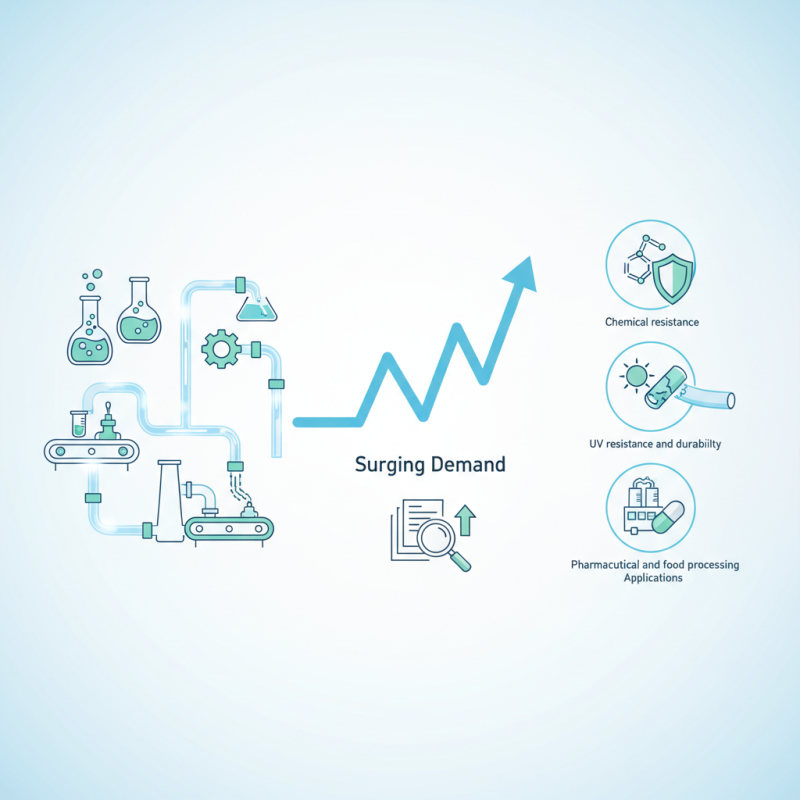
In recent years, the demand for PVDF tubing has surged. This is largely due to its versatility. It excels in harsh environments, resisting corrosion and UV exposure. As industries grow, companies turn to PVDF for reliable solutions. Specific sectors like pharmaceuticals and food processing benefit immensely.
However, challenges exist. Sourcing high-quality PVDF tubing can be difficult. Manufacturers must ensure compliance with stringent standards. Not all products on the market meet these requirements. This raises concerns about reliability and performance. Decision-makers must scrutinize their suppliers carefully. Investing time in research pays off for those seeking dependable solutions.
What Is PVDF Tubing and Its Chemical Properties in the Industry
PVDF tubing, or polyvinylidene fluoride tubing, is gaining traction in various industries due to its unique chemical properties. This material boasts high resistance to chemicals and UV radiation, which makes it ideal for demanding environments. Industries like pharmaceuticals, semiconductors, and food processing benefit greatly from its durability. PVDF is also non-reactive, allowing for safe transport of sensitive materials.
One remarkable feature of PVDF is its ease of fabrication. It can be molded into various shapes and sizes without compromising its integrity. This flexibility can be advantageous in tight spaces or uniquely designed systems. However, while PVDF is robust, its cost can be a barrier for some applications. There are questions about the balance between price and durability that require careful consideration.
PVDF's high-temperature tolerance is another reason for its growing popularity. It can withstand temperatures up to 150°C, making it suitable for demanding applications. Yet, not all users are fully aware of its limitations. For example, while it performs exceptionally well in many chemical environments, certain solvents may cause deterioration. Users must be informed of these nuances to maximize the benefits of PVDF in their specific applications.
Applications of PVDF Tubing in Various Sectors
PVDF tubing is increasingly adopted across various industries. Its unique chemical resistance and thermal stability make it ideal for handling harsh environments. In the pharmaceutical sector, for example, PVDF tubing is crucial for transporting volatile chemicals and ensuring product purity. It can withstand extreme temperatures and corrosive substances, which is vital for maintaining the integrity of sensitive liquids.
In the semiconductor industry, the demand for PVDF tubing is high due to its non-contaminating properties. Here, it helps prevent impurities in the cleanroom environment. Ensuring the purity of gases and chemicals is critical for manufacturing semiconductors. PVDF tubing plays a role in minimizing the risk of contamination during production processes. This ability to protect sensitive materials is a significant reason for its growing use.
Water treatment plants also utilize PVDF tubing for its durability and resistance to biofouling. It's effective in environments constantly exposed to water and varying temperatures. However, the initial costs can be higher compared to other materials, which is a consideration for some businesses. The need for rigorous testing also highlights the importance of reliable suppliers in this niche market.
What Is PVDF Tubing and Why Is It in High Demand? - Applications of PVDF Tubing in Various Sectors
| Application Sector |
Key Features |
Demand Reasons |
| Chemical Processing |
Chemical resistance, high temperature tolerance |
Increasing demand for durable materials |
| Aerospace |
Lightweight, low smoke generation |
Need for lightweight, high-performance materials |
| Food and Beverage |
Non-toxic, easy to clean |
Increase in health-conscious consumer bases |
| Pharmaceuticals |
Biocompatibility, low extractables |
Regulatory requirements for safe materials |
| Electronics |
Electrical insulation, dielectric properties |
Growth of the tech industry |
Market Demand Trends and Growth Projections for PVDF Tubing
The demand for PVDF tubing is rapidly increasing in various industries, driven by its exceptional properties. A recent industry report highlights that the global market for PVDF tubing is expected to grow at a compound annual growth rate (CAGR) of 7.5% from 2023 to 2030. The chemical resistance and durability of PVDF make it ideal for applications in pharmaceuticals, food processing, and chemical manufacturing.
In the pharmaceutical industry, the sterile environment is crucial. PVDF tubing is favored for its ability to withstand harsh cleaning agents and extreme temperatures. Data shows that 30% of pharmaceutical companies have switched to PVDF tubing in recent years. This shift reflects a growing awareness of the benefits that high-performance materials can provide in maintaining product integrity.
PVDF's versatility does come with its challenges. While production is increasing, sourcing raw materials can cause fluctuations in availability. Some manufacturers report difficulties in ensuring a consistent supply, which can impact project timelines. Companies must stay informed about market conditions to mitigate risks in their supply chains. Balancing quality, reliability, and cost will be key as the market continues to expand.
Advantages of PVDF Tubing Over Other Materials
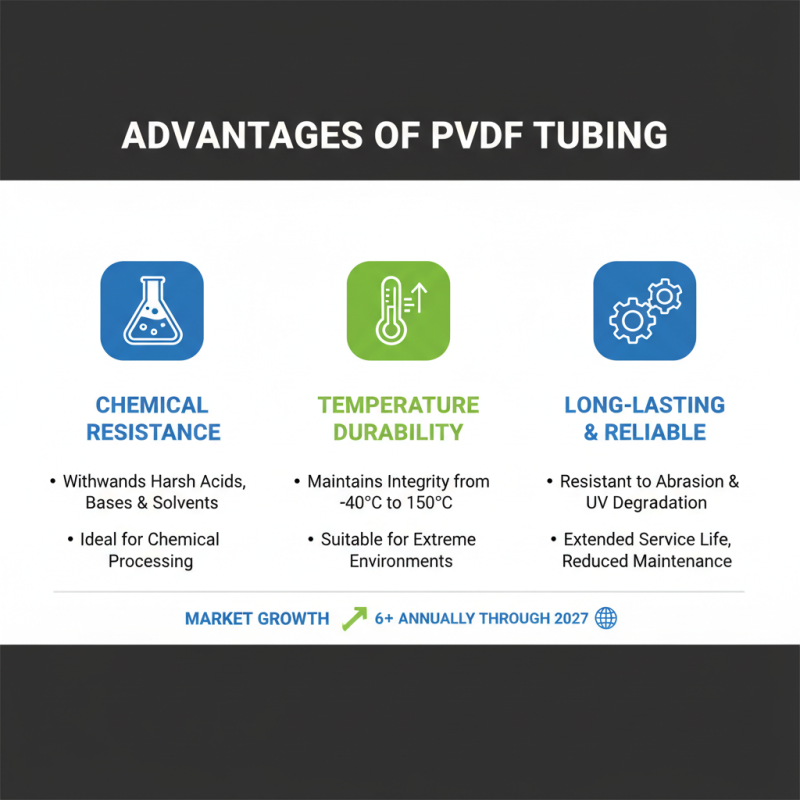
PVDF (polyvinylidene fluoride) tubing has gained popularity due to its unique properties. It stands out in various industries for its chemical resistance and durability. Unlike traditional materials, PVDF can withstand harsh chemicals and extreme temperatures, making it ideal for applications in the chemical processing and semiconductor sectors. According to a recent market analysis, the global demand for fluoropolymers, including PVDF, is expected to grow by over 6% annually through 2027.
One significant advantage of PVDF tubing is its mechanical strength. It offers high tensile strength while remaining lightweight. This combination allows for easier handling and installation. Additionally, the material exhibits excellent UV resistance, which prolongs its lifespan when used outdoors. A report by a leading materials research institution noted that PVDF's lifespan can be up to three times longer than alternatives like PVC in high-stress environments.
Moreover, PVDF is also recognized for its low friction coefficient. This feature minimizes the risk of wear and tear in systems that require fluid flow. Notably, the ease of cleaning PVDF surfaces adds to its appeal, especially in industries that prioritize hygiene. Although PVDF may not be the cheapest option, its long-term benefits often offset initial costs, making it a sound investment for many applications.
Impact of Regulatory Standards on PVDF Tubing Usage
PVDF tubing has gained attention due to its strong chemical resistance and versatility. Regulatory standards have significantly influenced its use in various industries. These standards ensure that materials meet safety and health requirements, pushing demand for PVDF tubing. Industries such as pharmaceuticals and food and beverage manufacturing rely on compliant materials for safety.
Regulatory bodies often update standards, creating a ripple effect in the market. Manufacturers must adapt to these changes, ensuring that their products remain compliant. This requirement can be a challenge, as some companies may struggle to keep up. Yet, those who navigate these regulations successfully can access lucrative markets.
The increasing focus on environmental safety is also a driving force. More industries are seeking eco-friendly materials that meet rigorous guidelines. While PVDF tubing shows promise, it requires ongoing evaluation. Innovations may help improve its properties, but companies must be vigilant. Balancing regulatory compliance and product quality is an ongoing journey for many manufacturers.
Global Demand for PVDF Tubing (2021-2023)