Why Is a Plastic Extruder Essential for Modern Manufacturing?
In today's manufacturing landscape, the role of a plastic extruder is vital. Experts like Dr. Emily Carter, a renowned engineer in the plastics industry, emphasize its importance: "A plastic extruder is the heartbeat of modern production lines." This machinery shapes various plastic products, from pipes to containers.
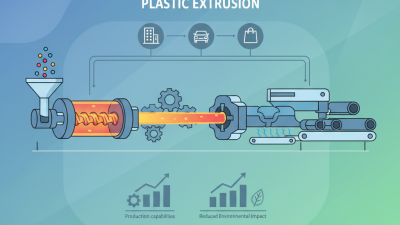
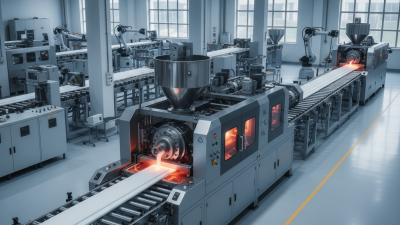
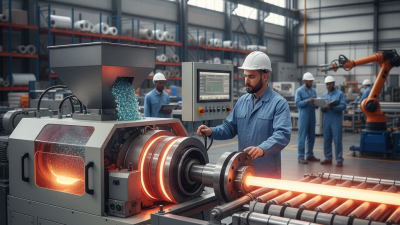
The plastic extruder operates by melting plastic pellets and forming them into a continuous profile. This process allows manufacturers to produce items with precision and efficiency. Without it, achieving the desired quality and speed in production would be nearly impossible. However, not all extruders are efficient. Some may lead to waste or inconsistent quality.
Investing in a high-quality plastic extruder is crucial. Manufacturers must consider their specific needs and the limitations of different models. This decision can influence productivity and overall costs. A thoughtful evaluation of options is necessary to enhance performance.
The Role of Plastic Extruders in Streamlining Production Processes
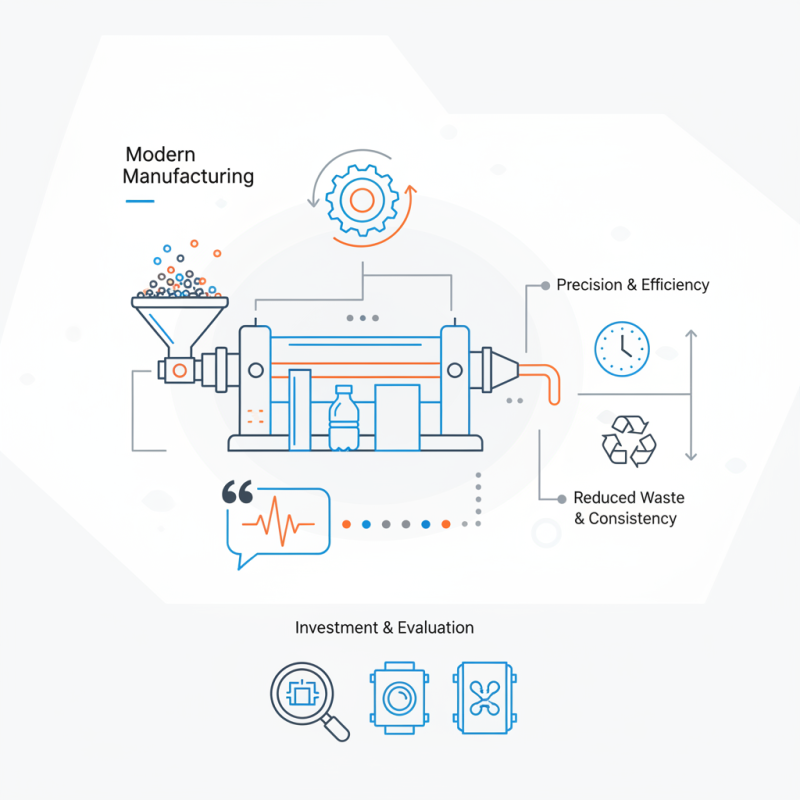
Plastic extruders play a crucial role in modern manufacturing by optimizing production processes. They efficiently convert raw plastic materials into various shapes and forms. In fact, the global plastic extrusion market is projected to reach $411.2 billion by 2027, according to a recent industry report. This growth highlights the vital contribution of extruders in meeting rising demand.
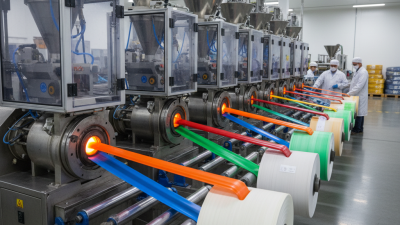
The essence of plastic extruders lies in their ability to streamline operations. They can produce items like pipes, sheets, and films with remarkable speed and precision. Expertise in this area is key. For instance, companies report that using advanced extrusion methods can enhance productivity by up to 30%. However, not every operation is flawless. Some manufacturers face challenges with consistency and quality, pointing to the need for ongoing innovation and training.
Additionally, plastic extruders contribute to sustainability efforts by reducing waste during the production cycle. However, it is important to reflect on the environmental impact of plastic use. The industry must balance efficiency with responsible sourcing and recycling practices. The push for eco-friendly processes is gaining momentum, as consumers increasingly demand sustainable solutions.
Key Applications of Plastic Extruders in Various Industries
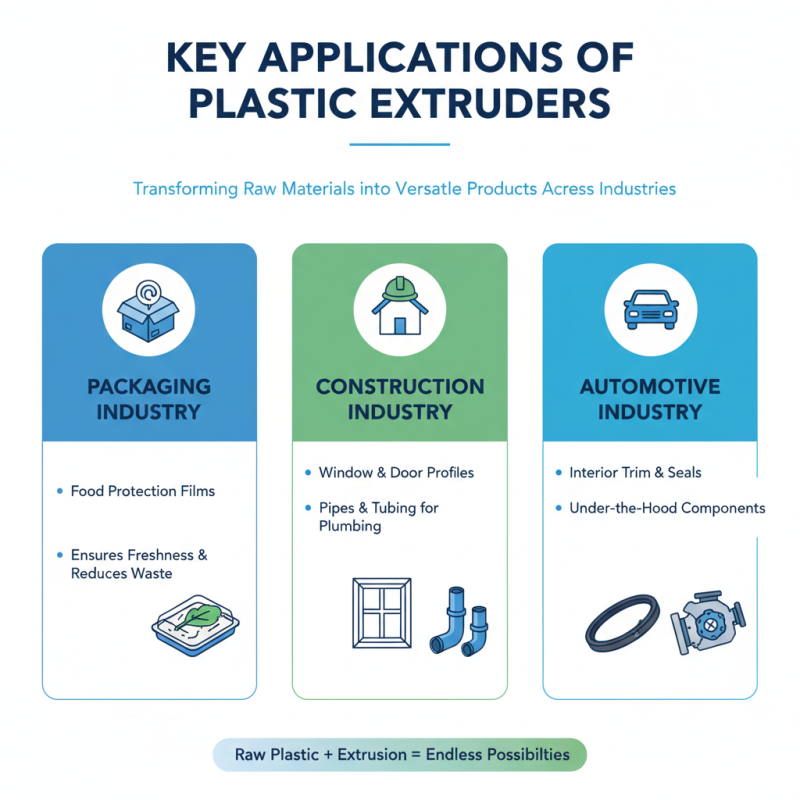
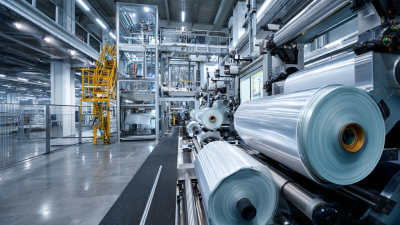
Plastic extruders play a crucial role in various industries. They transform raw plastic materials into versatile products. With the capacity to produce films, sheets, and profiles, these machines cater to diverse applications. For instance, in the packaging sector, plastic extruders create films that protect food. This ensures freshness and minimizes waste.
In the construction industry, extruders produce window profiles and piping. These components are lightweight and durable, providing effective solutions for building needs. The automotive industry also benefits. Here, extruders make parts that are essential for vehicle assembly. These parts meet stringent safety standards while reducing vehicle weight, improving efficiency.
Despite their advantages, not all extruder setups are optimized. Some manufacturers encounter issues with material consistency or production rates. Addressing these challenges is vital for enhancing manufacturing processes. Regular maintenance and operator training can help mitigate problems. Ensuring quality control remains an ongoing task for many facilities.
Impact of Plastic Extruders on Manufacturing Efficiency and Cost Reduction
Plastic extruders are revolutionizing modern manufacturing. They streamline the process by allowing continuous production of shapes. This efficiency translates into significant cost savings for companies. According to a report from the Society of Plastics Engineers, manufacturers can reduce production costs by up to 30% when implementing advanced extrusion technologies.
Extruders help minimize waste. Traditional manufacturing methods often lead to excess material. In contrast, precise extrusion allows for better material utilization. Studies indicate that companies can reclaim nearly 95% of the raw materials used in the extrusion process. This not only reduces costs but also promotes environmental sustainability.
However, challenges remain. Not all extrusion processes are equally efficient. Some setups require constant monitoring and adjustments. Training staff to manage these systems can be resource-intensive. Companies must weigh these factors against the potential savings. Investing in advanced machinery may lead to higher initial costs, but the long-term benefits often outweigh these expenses.
Technological Advances in Plastic Extrusion and Their Competitive Edge
Modern manufacturing relies heavily on advanced technologies, and plastic extrusion exemplifies this trend. As industries innovate, the role of plastic extruders becomes vital. These machines allow manufacturers to create complex shapes and consistent products. With recent advancements, plastic extrusion has become more efficient and precise. This provides manufacturers with a significant competitive edge.
Efficiency is key in today’s fast-paced market. Recent technology allows for real-time monitoring and adjustments during the extrusion process. This capability reduces waste and improves product quality. Investing in newer extrusion technology can lead to substantial savings. Manufacturers should consider the long-term benefits of upgrading equipment.
Here are a few tips for optimizing your extrusion process. First, ensure that materials used are compatible with your extruder. This can prevent costly downtime. Second, regular maintenance of machinery is essential. It minimizes unexpected failures. Lastly, stay informed about new extrusion techniques and materials. Continuous education can keep your production line relevant and competitive.
Plastic Extruder Usage in Modern Manufacturing
Market Trends: Growth of Plastic Extrusion in Global Manufacturing Sectors
The global plastic extrusion market is witnessing significant growth. According to a report by Grand View Research, it is projected to reach $337.56 billion by 2027, growing at a CAGR of 5.3% from 2020. This trajectory indicates a rising demand for plastic extruders in various sectors.
Industries such as automotive, packaging, and construction are major contributors. In packaging, for example, the lightweight and durable nature of extruded plastics is driving innovation. Furthermore, the shift towards more sustainable materials necessitates modern extrusion techniques that cater to eco-friendly options. A report by MarketsandMarkets suggests that the market for biodegradable materials in extrusion will continue to rise, emphasizing the need for adaptable technology.
Despite this growth, challenges exist. Not all manufacturers have made the transition to sustainable practices. Economic pressures and fluctuating raw material costs can hinder investment in advanced extruder technology. The need for continuous improvement is evident, as many are still reliant on traditional methods. The potential for enhanced efficiency and reduced waste remains largely untapped in some segments.
Why Is a Plastic Extruder Essential for Modern Manufacturing? - Market Trends: Growth of Plastic Extrusion in Global Manufacturing Sectors
| Sector |
Growth Rate (2023-2028) |
Market Size (2023) |
Key Applications |
| Automotive |
5.2% |
$65 Billion |
Interior and exterior components, wiring insulation |
| Construction |
4.8% |
$45 Billion |
Pipes, fittings, insulation materials |
| Consumer Goods |
6.1% |
$30 Billion |
Packaging, containers, household items |
| Medical |
7.5% |
$25 Billion |
Disposable products, medical devices, tubing |
| Electronics |
5.9% |
$40 Billion |
Insulation, casings, components |