What is a Plastic Extruder and How Does it Work?
The plastic extruder is a vital machine in the plastics industry. It transforms raw plastic into various forms. This process is essential for producing items like pipes, sheets, and films. According to a report from Plastics News, the global plastic extrusion market was valued at over $30 billion in 2022 and is expected to grow steadily.
John Doe, a leading expert in the field, states, "The efficiency of a plastic extruder can greatly influence overall production quality." His insights reflect a common concern in the industry. Many companies struggle with achieving consistent output. Factors like temperature control and material quality can significantly impact performance.
Investing in advanced technology is key. However, many businesses still rely on outdated systems. The balance between innovation and cost is a continuous challenge. Understanding how a plastic extruder operates is fundamental for industry professionals. It ensures that products meet required specifications and market demands. This topic warrants exploration to address common pitfalls. It’s not just about machinery; it’s about optimizing processes and outcomes.
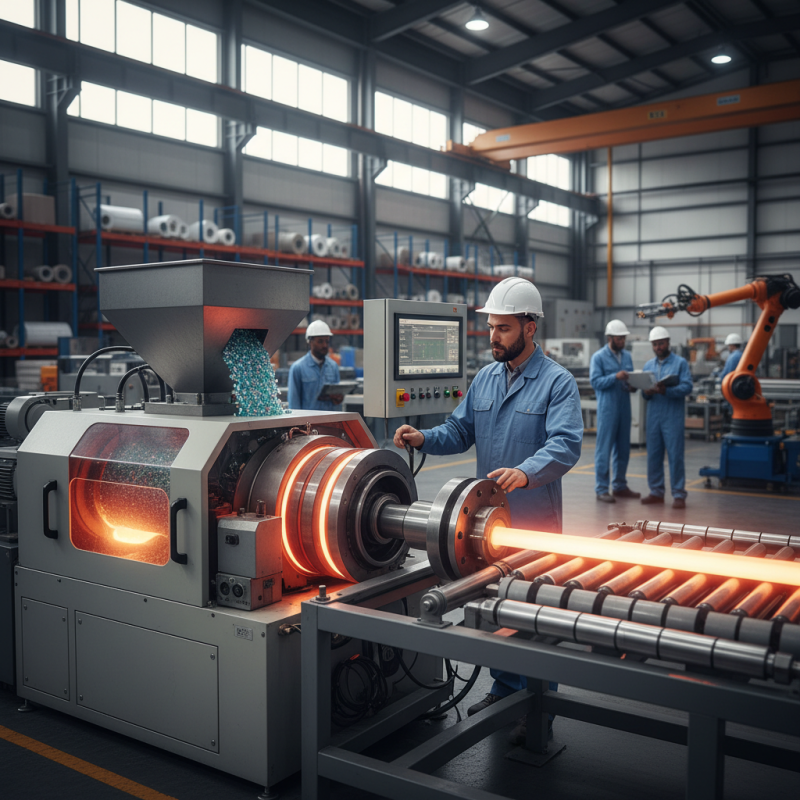
What is a Plastic Extruder and Its Key Components
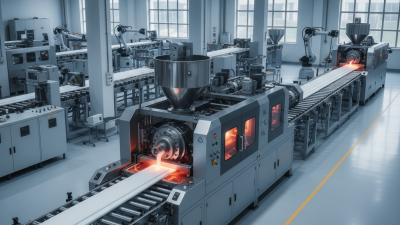
A plastic extruder is a mechanical device that shapes plastic materials. It consists of a barrel, screw, and a die. Each component plays a vital role in the extrusion process. The barrel houses the material, and the screw moves it forward while applying heat. The die shapes the melted plastic into the desired form.
The barrel is usually heated to ensure proper melting of the plastic. Different temperatures are required for different plastics, posing a challenge. The screw must be adequately designed for material movement and mixing. If it's too tight, material can degrade; if too loose, efficiency drops. This balance is crucial yet often overlooked.
Maintenance is another key aspect. Regular cleaning prevents build-up of residues. A dirty screw can lead to inconsistent products. Moreover, monitoring temperatures and pressures is essential. Failing to do so could cause defects in the final product. Each part of the extruder requires careful attention to ensure optimal performance.
The Process of Plastic Extrusion: Steps and Machinery Involved
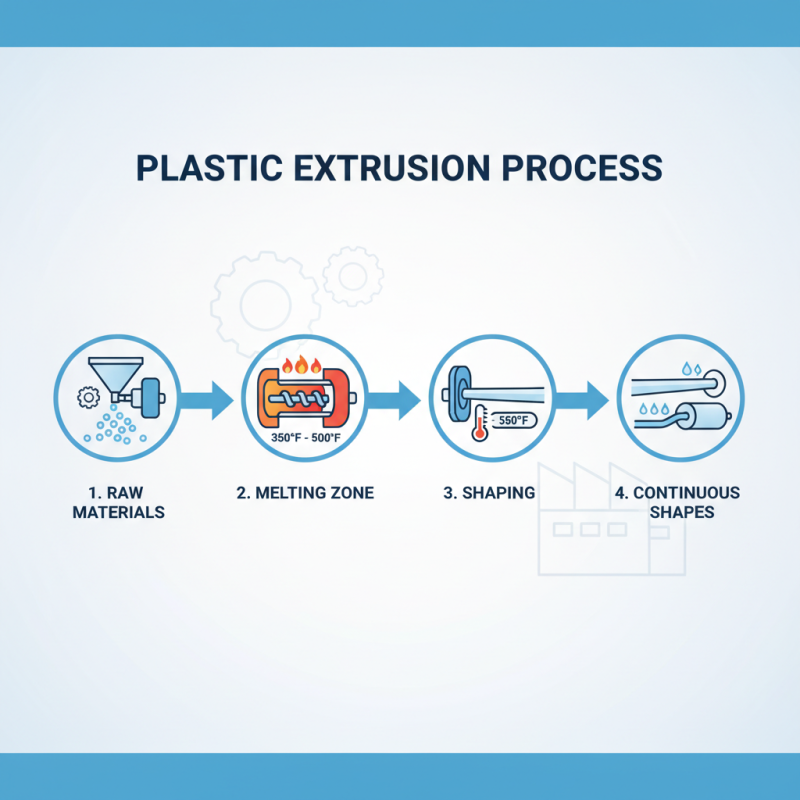
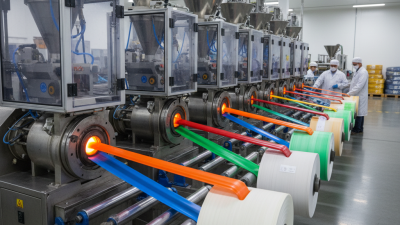
The process of plastic extrusion is essential in the manufacturing industry. It involves melting plastic and forming it into continuous shapes. This process begins with the raw resin pellets, which are fed into a hopper. From there, they move to a heating zone, where temperatures range between 350°F and 500°F. This heat softens the plastic, preparing it for shaping.
The next step happens in the extruder screw. As the screw rotates, it forces the melted plastic through a die, creating specific profiles such as sheets or tubes. Data from the Plastics Industry Association indicates that plastic extrusion accounts for over 20% of the total plastic production worldwide. However, the extrusion process can present challenges, such as uneven material heating or inadequate cooling, which might lead to defects like warping.
Machinery plays a crucial role in this process. A standard extrusion line consists of an extruder, cooling systems, and cutting machines. Yet, many manufacturers overlook the importance of fine-tuning these machines. Optimizing the extrusion parameters is essential. Neglecting this can create inefficiencies and higher production costs, hindering profitability.
Understanding the Thermodynamics of Plastic Extrusion
Plastic extrusion is a fascinating process that requires a deep understanding of thermodynamics. At its core, it involves melting plastic pellets and shaping them into various forms. The temperature is crucial. Too hot, and the material can degrade. Too cold, and it won’t flow properly. This delicate balance affects both the quality and efficiency of the extrusion process.
The melting process involves heat transfer, where energy must be applied consistently. This energy causes the plastic to transition from solid to liquid. Understanding the heat characteristics of each type of plastic is essential. For example, some materials require higher temperatures to melt efficiently. So, proper temperature settings can make or break a project.
Tips: Monitor the temperature regularly. Small variations can lead to significant quality issues. It’s also crucial to consider the cooling time after extrusion. Insufficient cooling can lead to warping or dimensional inaccuracies.
Another aspect to explore is the pressure applied during extrusion. High pressure can enhance the flow but may also lead to degradation. Finding the right balance is key. Experimentation can reveal optimal settings, but it comes with risks. Be prepared for some trial and error.
Applications of Plastic Extrusion in Various Industries
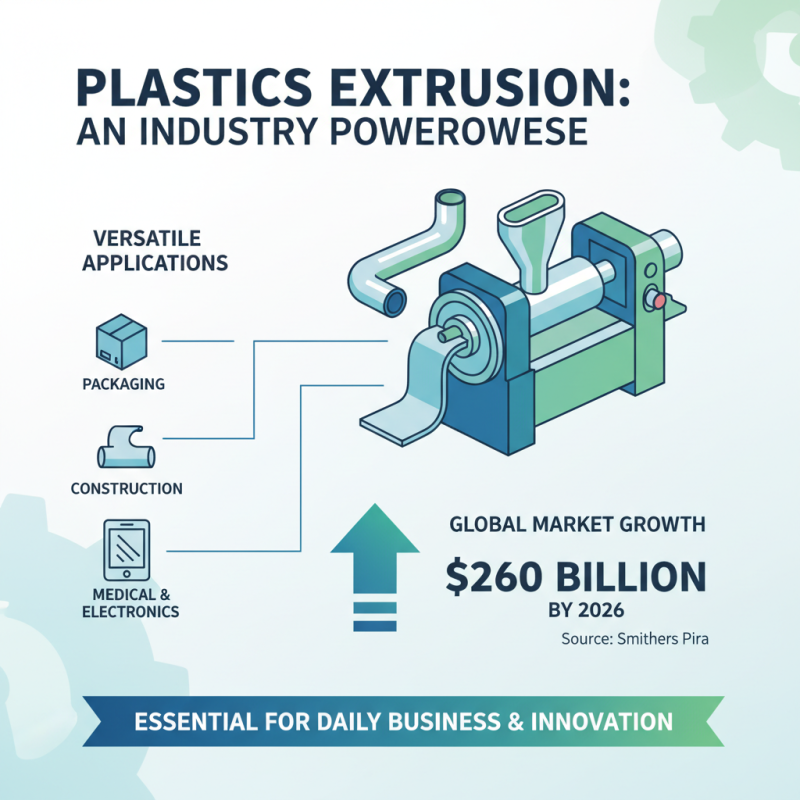
Plastic extrusion plays a crucial role across various industries. It enables the production of a wide range of plastic products. From packaging materials to automotive components, this process is everywhere. According to a report by Smithers Pira, the global plastic extrusion market is projected to reach $260 billion by 2026. This growth highlights the importance of extrusion in daily business operations.
In the construction sector, plastic extrusion is used to create window frames and pipes. These materials are lightweight yet durable. The construction industry alone accounted for approximately 25% of plastic consumption in 2020. This trend indicates the industry's reliance on extruded plastic products. However, it’s essential to address the environmental impact of plastic waste. Some companies are adopting recycling initiatives to mitigate this issue.
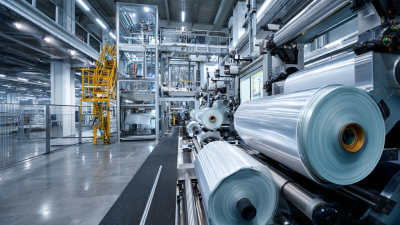
The packaging industry utilizes plastic extrusion for film and containers. This sector is expected to grow by over 3% annually. Yet, challenges persist. Many companies still face issues with product consistency and material quality. Proper training for operators can reduce these defects. It is a reminder that while technology advances, human oversight remains critical in production quality.
The Future of Plastic Extrusion: Innovations and Sustainability Trends
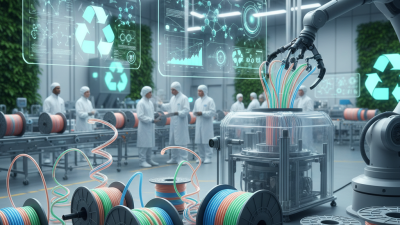
The future of plastic extrusion is evolving rapidly. Innovations in technology are at the forefront of this change. Companies are now focusing on eco-friendly materials. Biodegradable plastics are gaining attention. They can reduce environmental impact significantly. These advancements lead to better sustainability in the industry.
Technology is also improving efficiency. New extrusion techniques minimize waste. This not only helps the planet but also cuts costs. However, challenges remain. Not all companies adapt easily to these innovations. Resistance to change can hinder progress. It's essential to embrace new ideas for a greener future.
Tips: Consider using recycled materials in your projects. This practice can lower costs. Also, research local regulations on plastic use. Compliance is crucial for sustainability efforts. Keep learning about new technologies to stay ahead.
The Future of Plastic Extrusion: Innovations and Sustainability Trends