What is a Plastic Box and Why You Should Consider It?
Plastic boxes have become a staple in various industries due to their versatility and durability. According to a recent report by MarketsandMarkets, the global plastic packaging market is projected to reach over $400 billion by 2025, highlighting the rising demand for plastic products, including boxes. These containers offer practical solutions for storage, organization, and transportation across sectors like retail, food, and logistics.
The appeal of plastic boxes lies in their lightweight nature and resistance to moisture and chemicals. In fact, studies indicate that using plastic containers can reduce damage rates by up to 30% compared to alternative materials. Companies increasingly recognize the cost-effectiveness and efficiency of plastic boxes, yet there are still challenges to consider. Concerns about environmental impact and recyclability linger in consumer minds. Brands must balance these aspects with their operational needs to ensure responsible usage.
While plastic boxes present numerous advantages, thoughtful selection is crucial. Not all plastic is created equal; factors such as material type and sourcing can influence sustainability. Businesses and consumers alike must engage in conversations about best practices. This reflection can lead to more informed decisions when choosing plastic storage solutions.
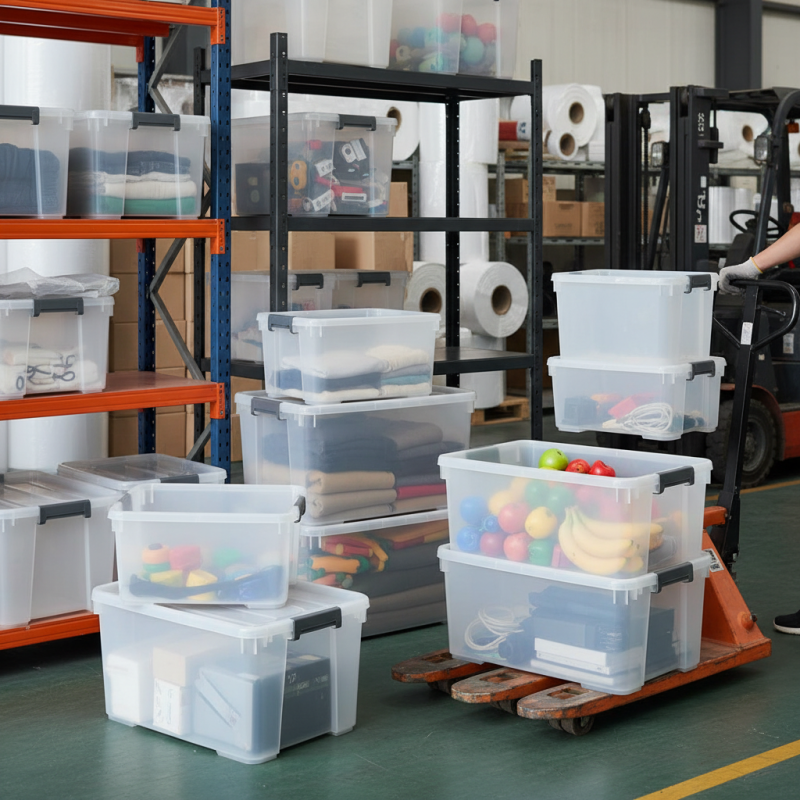
Understanding the Composition and Types of Plastic Boxes
Plastic boxes are versatile containers made from various types of plastic. Understanding their composition is essential for choosing the right one for your needs. Most commonly, these boxes are crafted from polyethylene or polypropylene. These materials offer a good balance of durability and affordability. Polyethylene boxes tend to be softer and more flexible, while polypropylene boxes provide higher strength and rigidity.
There are several types of plastic boxes available. Stackable containers are great for maximizing storage space. Clear plastic boxes allow for easy visibility of contents. Lockable lids offer additional security for important items. Each type serves a different purpose, so it's crucial to evaluate your specific requirements. However, it’s important to consider that not all plastics are created equal. Some may leach chemicals or degrade over time, especially when exposed to sunlight. Think carefully about which option aligns with both safety and utility.
What is a Plastic Box and Why You Should Consider It? - Understanding the Composition and Types of Plastic Boxes
| Type of Plastic Box | Material Composition | Common Uses | Environmental Impact | Recyclability |
| Storage Box | Polypropylene (PP) | Home organization, craft supplies | Low, varies by disposal method | Yes, recyclable |
| Food Storage Box | Polyethylene (PET) | Beverages, leftovers | Moderate, depends on type | Yes, recyclable |
| Electronics Storage Box | Acrylonitrile Butadiene Styrene (ABS) | Organizing cables, gadgets | High, requires careful disposal | Limited, may not be widely accepted |
| Toolbox | Polycarbonate (PC) | Storing tools, hardware | Moderate, durable but non-biodegradable | Yes, recyclable |
| Travel Case | Polyethylene Terephthalate (PETE) | PC accessories, cosmetics | Low to moderate, varies by usage | Yes, recyclable |
Advantages of Using Plastic Boxes in Various Applications
Plastic boxes have become an essential storage solution across various applications. Their lightweight and durable nature makes them ideal for both home and industrial use. You can easily stack them to maximize space efficiency. They come in various shapes and sizes, which allows for versatile organization. This adaptability is valuable for everything, from household items to industrial tools.
One notable advantage is their resistance to moisture and pests. Unlike wooden or cardboard storage, plastic boxes do not absorb water. This means they protect contents from dampness, preventing mold growth. Furthermore, plastic boxes are often easier to clean. A simple wipe with a damp cloth restores their appearance. However, not all plastic is created equal. Some materials may degrade under high temperatures or UV light. It’s worth considering the specific needs of your items.
Despite their many benefits, some may hesitate to use plastic due to environmental concerns. While many plastics are recyclable, the recycling process isn’t always straightforward. It's important to think about the lifecycle of these products. Do they contribute to long-term waste issues? Awareness of these points can lead to more responsible usage. Ultimately, the decision to incorporate plastic boxes should balance practicality and environmental impact.
Factors to Consider When Choosing a Plastic Box
When selecting a plastic box, several factors come into play. First, consider the size and shape. A box that fits your storage needs is essential. You may need smaller boxes for organizing tools. Larger boxes can hold bulk items like seasonal decorations. The right dimensions will maximize your space.
Material quality is another key aspect. High-density polyethylene (HDPE) is tough and durable. If your box needs to withstand heavy use, ensure it has thick walls. Also, check if the box is UV-resistant. This is vital for outdoor storage, as sun exposure can warp fragile boxes.
Finally, the design features matter. Boxes with lids offer better protection from dust and moisture. Stackable boxes can save space in your garage or shed. Some might have transparent sides, allowing easy visibility. Reflecting on your specific requirements will guide you toward the ideal choice, making your organization task more efficient.
Environmental Impact of Plastic Boxes and Sustainability Options
Plastic boxes are widely used for storage and organization. They are durable, lightweight, and can be found in numerous shapes and sizes. However, their environmental impact cannot be overlooked. Each year, millions of plastic containers end up in landfills and oceans, contributing to pollution and harming wildlife. This raises important questions about sustainability and responsible usage of such materials.
Considering the environmental impact, exploring sustainable options is essential. Many manufacturers now offer biodegradable plastics that break down more easily. Recycling is another effective way to minimize waste. Yet, not all plastics are recyclable, leading to confusion among consumers. Some plastic boxes may remain in the environment for hundreds of years. This stark reality prompts a need for conscious choices.
Incorporating practices like reusing plastic boxes can also make a difference. You can use them for organizing your home or even as makeshift storage in a garage. However, relying solely on plastic products is inadequate. It's important to reflect on our consumption habits and seek alternatives when possible. Discussing plastic box usage can lead to greater awareness of environmental issues.
Practical Tips for Maintaining and Cleaning Plastic Boxes
Cleaning and maintaining plastic boxes is essential for their longevity. Start by removing all items inside. Dust and dirt accumulate over time, making thorough cleaning necessary. Use warm, soapy water and a soft cloth for the exterior. For stubborn stains, a gentle scrub might be required. This ensures that the boxes remain pristine and functional.
When it comes to storage, consider avoiding exposure to direct sunlight. Prolonged UV exposure can weaken the plastic and lead to discoloration. Additionally, store boxes in a cool, dry place to prevent warping. Continuous exposure to moisture can also lead to mold growth inside, which is hard to clean. Regular checks can help identify such issues early.
Even with care, plastic boxes can sustain scratches or minor dents. While these imperfections can be frustrating, they also tell a story. Embrace them as part of the journey of usage. Reflect on how these boxes serve different purposes over time. Adjust your cleaning routine as needed, finding what works best for your situation.

