Top PCB Board Trends in 2026 What Buyers Should Know?
As we approach 2026, the landscape of Pcb Board technology is evolving rapidly. Buyers must stay informed about key trends shaping the industry. Understanding these trends is crucial for making informed purchasing decisions.
The demand for miniaturization in electronics drives innovation in PCB boards. Designs are becoming more complex, reflecting the needs of modern devices. Advanced manufacturing techniques make it possible to create smaller, more efficient boards. These developments open new avenues for functionality. High-frequency devices are particularly benefitting, but are not without challenges.
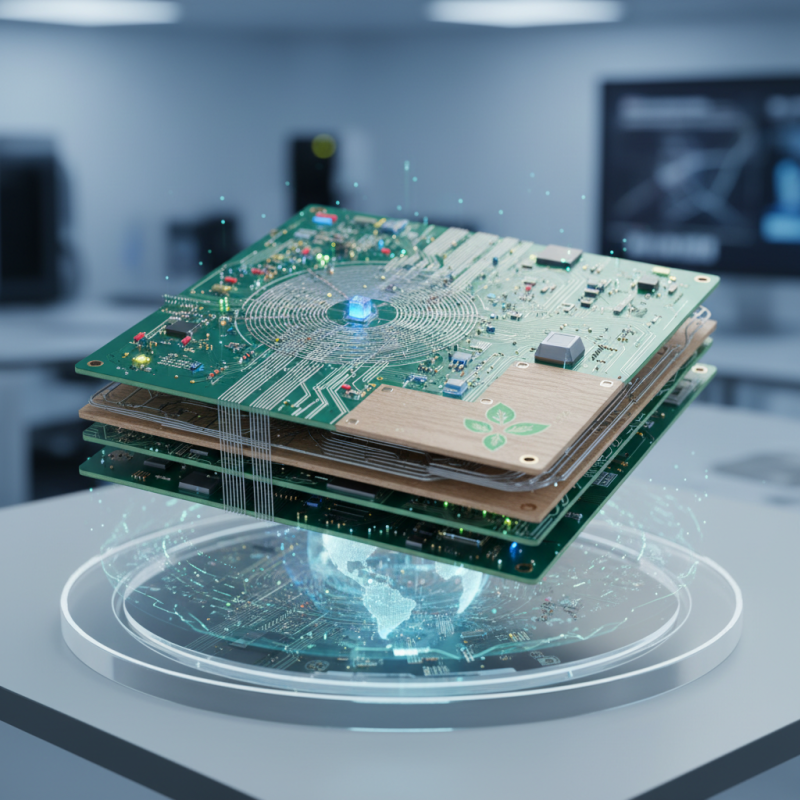
Moreover, sustainability is gaining ground in the PCB industry. Environmentally friendly materials are becoming a priority for consumers. Buyers should consider how manufacturers address these concerns. Choosing the right PCB board impacts not only performance but also environmental footprints. Awareness of these trends will empower buyers to select innovative and responsible solutions for their needs.
Emerging Technologies Influencing PCB Design in 2026
As we approach 2026, the influence of emerging technologies on PCB design becomes increasingly significant. Innovations in materials science, such as flexible substrates, are transforming how designers approach electronics. These materials allow for lighter, more compact devices. However, challenges remain in balancing durability and performance. Not every new material meets the rigorous demands of real-world applications.
AI-driven design tools are reshaping the PCB development process. They enhance efficiency and accuracy, enabling faster prototyping. Nevertheless, relying heavily on these tools can pose risks. Over-reliance may lead to overlooking critical design considerations. Human oversight remains vital in ensuring optimal performance.
Sustainability is also pushing PCB design into new territories. Eco-friendly materials and manufacturing practices are gaining traction. However, the transition can be complex. Not all suppliers provide suitable sustainable options. Buyers must navigate these challenges carefully, seeking reliable information to make informed decisions. Keeping an eye on these trends will be crucial for anyone involved in PCB procurement in 2026.
Sustainability Trends in PCB Manufacturing: What to Expect
Sustainability is becoming a key focus in PCB manufacturing. The industry is shifting towards eco-friendly materials. For instance, bioplastics and recycled substrates are gaining traction. These materials can significantly reduce the carbon footprint. Many manufacturers are investing in greener processes. This includes using water-based solvents instead of harmful chemicals.
Energy efficiency is another important aspect. Manufacturers are optimizing production methods to decrease energy use. LED lighting and renewable energy sources, like solar power, are increasingly adopted. However, not all companies have made the switch. Some still rely on outdated methods that consume more energy.
Waste management is an area needing improvement. While many firms are implementing recycling programs, not all are effective. There’s a need for better systems to repurpose scrap materials. As buyers, understanding these trends can inform your purchasing decisions. Look for companies prioritizing sustainability. It is essential to support those making genuine efforts towards a greener future in PCB manufacturing.
Advancements in PCB Materials and Their Impact on Performance
In 2026, advancements in PCB materials are crucial for enhancing performance. Emerging materials, such as high-frequency laminates and flexible substrates, are reshaping the industry. According to a recent report from the IPC, the PCB market is expected to reach $93 billion by 2026, driven by innovations in material science. These materials markedly improve signal integrity and reduce losses in high-speed applications.
A notable trend is the adoption of biodegradable materials. These can mitigate environmental concerns while maintaining performance standards. Research highlights that the demand for eco-friendly options is projected to rise by 20% yearly. However, transitioning to these new materials poses challenges in reliability and manufacturing processes.
Tips: When selecting PCB materials, consider the specific application requirements carefully. Balance the benefits of new materials with their potential drawbacks, like increased costs. Always consult with industry experts to ensure the best choices for your projects. Understanding the limitations of these materials is vital. It's important to reflect on how they could alter your design and production cycles.
Market Demand Shifts: Key Industries Driving PCB Trends
The landscape of PCB boards in 2026 is shaped by significant shifts in market demand. Industries such as automotive, aerospace, and consumer electronics are at the forefront of these changes. According to a recent report by ResearchAndMarkets, the global PCB market size is expected to reach $80 billion by 2026, driven largely by the increase in electric vehicle production and smart device proliferation.
The automotive sector is pushing PCB requirements further. Advanced driver-assistance systems (ADAS) and electric vehicle technologies require high-density interconnect (HDI) circuit boards. Data from IPC indicates that the automotive PCB market will grow by 25% annually through 2026. This growth compels manufacturers to focus on innovative designs and materials that enhance performance while minimizing weight.
On the other hand, the consumer electronics market also drives trends. Devices are getting smaller but more powerful. A study from Mordor Intelligence highlights that flexible PCBs are forecasted to grow by 20% in this space. However, companies face challenges like supply chain disruptions and rising material costs. Adjusting to these factors will require agile responses from manufacturers and strategic planning moving forward.
Top PCB Board Trends in 2026 - Market Demand Shifts: Key Industries Driving PCB Trends
| Trend | Description | Key Industries | Projected Growth Rate (%) |
| Flexible PCBs | Increased adoption of flexible circuit boards in portable electronics. | Consumer Electronics, Automotive | 12% |
| Multi-layer PCBs | Demand for multi-layer boards in complex applications. | Telecommunication, Medical Devices | 10% |
| High-Frequency PCBs | Growth in high-frequency applications in various industries. | Aerospace, Automotive | 15% |
| Eco-friendly PCBs | Shift towards sustainable materials and processes in PCB manufacturing. | Consumer Goods, Telecommunications | 8% |
| High-Temperature PCBs | Demand for PCBs that can withstand extreme temperatures. | Energy, Aerospace | 9% |
Essential Considerations for PCB Buyers in the 2026 Marketplace
When entering the PCB marketplace in 2026, buyers need to consider several key trends shaping the industry. According to a recent report by IPC, the global PCB market is projected to reach $82 billion by 2026, driven by innovations in technology and increasing demand for miniaturization. This growth is closely tied to advancements in manufacturing processes and materials. Buyers should prioritize suppliers that utilize environmentally friendly materials, aligning with the rising standards for sustainability.
Tip: Always request information about a manufacturer's sustainability practices. It's essential to ensure compliance with environmental regulations.
Another trend is the integration of smart technologies into PCBs. The Internet of Things (IoT) is becoming ubiquitous, influencing PCB designs. A significant number of new PCBs will incorporate sensors and connectivity options. Buyers should focus on suppliers who offer customizable options that cater to specific smart device requirements.
Tip: Evaluate potential suppliers’ technical capabilities thoroughly. This can save costs and improve performance in the long run.
Lastly, buyers should be aware that quality assurance standards are tightening. This means enhanced testing and validation processes are becoming mandatory. Buyers need to partner with manufacturers who prioritize quality and have established certifications. A commitment to robust quality control can reduce long-term costs and risks associated with defective boards.

