What is an Oil Pressure Sensor and How Does It Work?
In the automotive industry, precision is key. The "Oil Pressure Sensor" plays a vital role in monitoring engine health. According to Dr. Emily Carter, a leading automotive engineer, "An accurate oil pressure reading can prevent engine failure." This highlights the significant impact that oil pressure has on vehicle performance.
The Oil Pressure Sensor detects fluctuations in Engine Oil Pressure. By converting these changes into electrical signals, it informs the driver and the engine control unit. Proper oil pressure ensures that engine components are well-lubricated. This directly affects efficiency and longevity.
However, reliance on the Oil Pressure Sensor isn't without challenges. Sensors can fail due to wear or environmental factors. Regular maintenance is crucial. Identifying signs of wear early can promote better engine health. Implementing proactive measures ensures reliable performance, reminding us that even advanced technology requires careful attention.
What is an Oil Pressure Sensor?
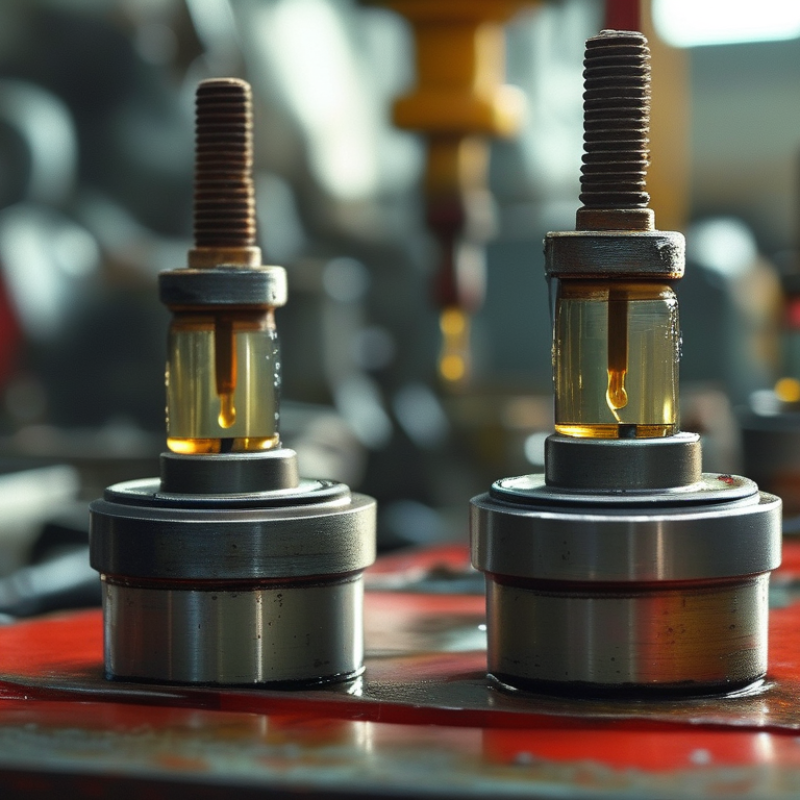
An oil pressure sensor is a vital component in automotive engines. It monitors the oil pressure within the engine, ensuring that the lubricating system operates effectively. This sensor provides real-time data to the vehicle's onboard computer. If oil pressure drops below a safe level, the sensor triggers a warning light on the dashboard. This alerts the driver to potential engine issues.
In essence, the oil pressure sensor varies resistance based on the pressure of the oil. When the oil is under sufficient pressure, the sensor sends a signal to the engine control unit (ECU). If the pressure is too low, the signal changes, prompting warning lights. This process is crucial for maintaining engine health. Lack of oil pressure can lead to severe engine damage or even failure.
Understanding how this sensor works is beneficial. Regular monitoring can prevent larger issues. However, sensors can fail or give inaccurate readings. It’s essential to check them during routine maintenance. Trust but verify is a good approach. Any discrepancy should not be ignored. Keeping a close eye on the oil pressure helps ensure the engine runs smoothly.
The Importance of Oil Pressure in Vehicle Engines
Oil pressure plays a crucial role in the performance and longevity of vehicle engines. Proper oil pressure ensures that engine components are lubricated effectively. According to industry reports, optimal oil pressure ranges from 25 to 65 psi while the engine is running. If the pressure drops below this range, it can lead to increased friction, overheating, and ultimately engine failure.
Monitoring oil pressure is essential. A malfunctioning oil pressure sensor may not accurately reflect the engine's condition. This can mislead drivers into thinking everything is fine when it’s not. Regular inspection of the oil pressure sensor is advisable to avoid costly repairs down the road. Keeping an eye on oil levels can also prevent pressure drops.
Tips: Check your oil level monthly. Low oil can cause pressure issues. Always use oil recommended for your engine type. Consider investing in a quality oil pressure gauge for real-time monitoring. These precautions can enhance your vehicle's reliability and performance. Remember, maintaining good oil pressure is not just about immediate performance—it's about long-term health for your engine.
How Does an Oil Pressure Sensor Function?
An oil pressure sensor is a crucial component of your vehicle's engine. It monitors the pressure of the engine oil, ensuring it remains at an optimal level. When the oil pressure drops too low, the sensor triggers a warning light on the dashboard. This alert is essential for preventing engine damage.
The oil pressure sensor functions through the use of a diaphragm. As oil flows through the engine, it exerts pressure on this diaphragm. A change in pressure sends a signal to the engine control unit (ECU), which interprets these readings. When the ECU detects low oil pressure, it activates the warning light. This real-time monitoring helps maintain engine integrity.
Tips: Regular oil changes are vital for proper sensor function. Dirty oil can affect pressure readings. Always check your oil levels frequently to avoid low pressure. Also, if your warning light appears, don't ignore it. Investigate the issue promptly to prevent further damage to your engine.
Oil Pressure Sensor Functionality: A Comparative Analysis
Common Types of Oil Pressure Sensors
Oil pressure sensors play a crucial role in monitoring engine health. They come in various types, each serving a specific purpose. The most common types are resistive, capacitive, and piezoelectric sensors.
Resistive sensors change resistance based on pressure changes. Capacitive sensors measure pressure by monitoring changes in capacitance. Piezoelectric sensors use material that generates voltage when pressure is applied.
Choosing the right oil pressure sensor is essential for engine performance. Different vehicles may require specific sensor types. Installation must be done correctly to ensure accurate readings. A faulty sensor can lead to engine damage. Regular inspections can help avoid problems.
Tips for maintaining oil pressure sensors include:
- Checking for leaks
- Ensuring electrical connections are secure
- Avoiding exposure to extreme temperatures
- Cleaning the area around the sensor
If unsure about the condition of your sensor, consult a
professional. Regular maintenance can save time and money in the long run.
Signs of a Faulty Oil Pressure Sensor and Maintenance Tips
A faulty oil pressure sensor can lead to serious engine issues. Drivers may notice warning lights illuminating on the dashboard. This is a clear sign that the sensor might be malfunctioning. Additionally, fluctuating oil pressure readings indicate that the sensor is not providing accurate information. According to industry reports, nearly 15% of engine failures are linked to oil pressure problems. Regularly checking the sensor could prevent costly repairs.
Maintenance is crucial for ensuring the oil pressure sensor works effectively. Drivers should check the wiring and connections for any signs of wear or corrosion. An oil change every 3,000 to 5,000 miles is recommended by many professionals. Clean oil allows the sensor to function correctly. Neglecting oil changes can lead to build-up, which may impair the sensor's performance.
Some vehicle owners overlook the importance of this component. Ignoring symptoms can result in overheating or engine damage. Regular inspections can identify early warning signs. Being proactive about maintenance can significantly extend engine life. Always consider professional advice for more in-depth checks. It’s crucial to prioritize reliability to maintain optimal vehicle performance.

