How to Master Plastic Extrusion Techniques for Efficient Manufacturing?
Plastic extrusion is a vital process in modern manufacturing. It allows for the creation of complex shapes from various plastic materials with high efficiency. According to industry reports, the global plastic extrusion market is projected to reach USD 320 billion by 2026, highlighting significant growth potential. Mastering plastic extrusion techniques can greatly improve production processes and reduce waste.
As manufacturers seek to enhance efficiency, it is crucial to understand the nuances of plastic extrusion. This involves choosing suitable materials and optimizing machine settings. However, there are common pitfalls. Many beginners overlook the importance of temperature control or material feed rates, which can lead to defects. Even experienced professionals can refine their processes and increase output.
Incorporating advanced technologies, like AI, can also transform plastic extrusion. For instance, integrating smart machines can monitor production parameters in real-time. This not only boosts productivity but also enables manufacturers to identify issues swiftly. As the industry continues to evolve, embracing these changes is essential for staying competitive in the market.
Understanding the Basics of Plastic Extrusion Processes
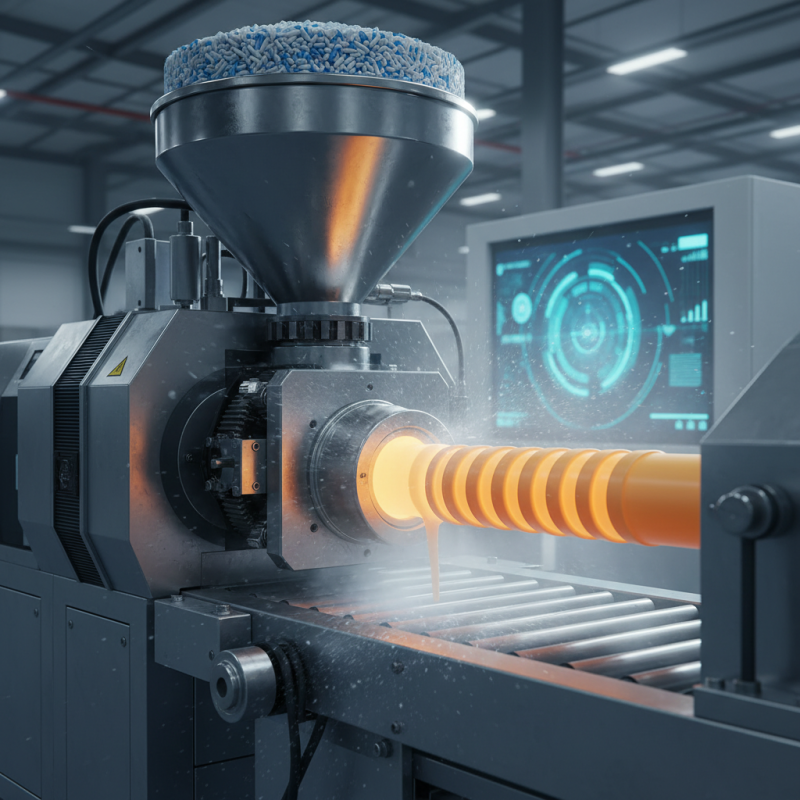
Plastic extrusion is a vital manufacturing process. It transforms plastic materials into continuous profiles. The basic idea is straightforward. Plastic pellets are heated and melted. The melted plastic then flows through a die, shaping it into long, uniform sections. This method is widely used for producing items like pipes, sheets, and various components.
Despite its efficiency, mastering extrusion can be challenging. Temperature control is crucial, yet often overlooked. Too high a temperature can degrade the material. Conversely, too low can lead to improper flow. Additionally, the choice of screw design impacts the mixing and melting quality. Operators must adjust parameters to achieve the desired output. Adjusting the die temperature and cooling can also present difficulties. Regular maintenance of machinery is essential, yet often neglected.
Quality control is another critical aspect. Variability in raw materials can affect outcomes. Keeping tabs on the properties of the input can mitigate issues. However, many manufacturers do not invest enough time in these checks. This can lead to material inconsistencies and wasted products. Understanding these basics is the foundation for mastering plastic extrusion techniques.
Plastic Extrusion Techniques: Production Efficiency Over Time
Key Equipment and Machinery Used in Plastic Extrusion
The plastic extrusion process relies heavily on efficient equipment and machinery. Critical components include extruders, dies, and cooling systems. The extruder acts as the heart of the operation. It melts and transports plastic granules. Data shows that optimizing temperature within the extruder can enhance productivity by 20%. But it's not always straightforward. Improper settings can lead to inconsistencies.
Next, the die shapes the plastic into desired profiles. The design precision here is crucial. Misalignment could waste material and time. According to industry reports, a 1% misalignment can result in a 5% increase in scrap. This touches on challenges that operators must address regularly.
Cooling systems also play a vital role. They solidify the extruded shapes quickly, preserving integrity. However, temperature variances can lead to warping. It's important to monitor not just the extrusion speed, but also the cooling rates. Research indicates that optimized cooling can reduce defects by 15%. Reflecting on these aspects can lead to better overall efficiency in manufacturing.
Techniques for Optimizing Material Flow and Temperature Control
Efficient manufacturing through plastic extrusion relies heavily on material flow and temperature control. Studies show that improper temperature settings can lead to product defects. Many extruders operate with a temperature variation of up to 15°C at different stages of the process. This inconsistency can affect viscosity and lead to poor material flow, resulting in off-spec products.
Tips: Always monitor the temperature closely. Use infrared thermometers for accurate readings. Make adjustments based on real-time data to ensure optimal flow rates. Consistency in temperature helps maintain the quality of the final product. Aim for less than 5% deviation.
Another critical aspect is managing material flow. Blockages and inconsistencies can slow down production. According to industry reports, around 25% of extrusion downtime is due to material flow issues. This is not just a numbers problem; it affects delivery timelines and cost-efficiency. Analyzing flow patterns and using software simulations can help identify trouble spots.
Tips: Regularly clean your dies and extruder barrel. Ensure that all feed zones are functioning well. Consider using additives that improve flow characteristics for different materials. Small adjustments can yield significant improvements in production efficiency.
Common Challenges in Plastic Extrusion and Their Solutions
Plastic extrusion is a widely used manufacturing process, yet it presents several challenges. One common issue is inconsistent material flow. This can lead to defects in the final product. Operators often notice variations in thickness, which can affect functionality. It is crucial to monitor the feed rate and ensure that the materials are properly heated.
Another challenge is equipment wear and tear. The screws and barrels experience friction, which can alter performance. Regular maintenance schedules can help mitigate these issues. However, downtime for maintenance can disrupt production. Balancing efficiency with necessary upkeep is crucial for a successful operation.
Temperature control poses another challenge. If the material is heated unevenly, it can lead to poor results. Operators should regularly calibrate temperature settings. Constant monitoring is essential. These challenges require ongoing reflection and adjustment. Exploring new techniques can lead to improvements, but the road is not always smooth.