How to Implement Machine Vision Inspection for Quality Control?
In today's manufacturing landscape, efficient quality control is critical. Machine Vision Inspection (MVI) technology has emerged as a vital tool. According to a report by MarketsandMarkets, the machine vision market is projected to reach $13.3 billion by 2025, highlighting its significance across industries.
Experts suggest that MVI is transforming quality assurance processes. Dr. John Smith, a prominent figure in the machine vision field, notes, “MVI not only improves accuracy but also enhances productivity by minimizing human error.” This technology captures images and analyzes them for defects, ensuring goods meet stringent standards.
Despite its benefits, some challenges persist. Implementing MVI requires upfront investment and skilled personnel. Moreover, integrating this technology can be complex. As businesses embrace MVI, they must address these hurdles and continually improve their quality control processes. The path to successful implementation is not without its obstacles, but the potential rewards are substantial.
Understanding Machine Vision Systems for Quality Control
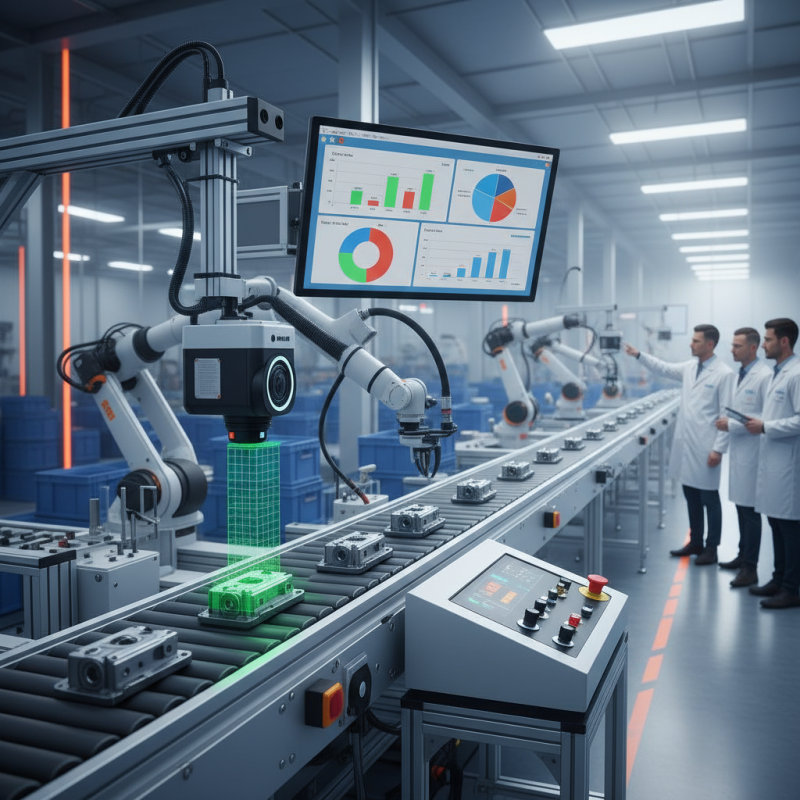
Machine vision systems have revolutionized quality control in various industries. They integrate cameras, lighting, and software to inspect products for defects. These systems can detect issues that human eyes might miss. They provide consistent, accurate results, enhancing overall quality.
When implementing machine vision, it’s essential to consider the environment. Lighting conditions can greatly impact the performance of the system. Poor lighting may cause misinterpretations, leading to false positives or negatives. Ensure that your lighting setup is optimized for the materials and textures being inspected.
Tip: Start with pilot testing a small section of your production line. Gather feedback on the system’s effectiveness. Always reassess and adjust as needed. An iterative approach can reveal blind spots in the inspection process.
Training staff is equally important. Operators should understand how to interpret machine vision outputs. If they cannot interpret the data correctly, it might lead to overlooked faults. Encourage team members to question results and analyze discrepancies. This not only improves quality but fosters a culture of continuous improvement.
Machine Vision Inspection Performance Metrics
This chart presents the performance metrics of Machine Vision Inspection systems used for quality control. The metrics include Defect Rate, Detection Speed, Accuracy, and False Positive Rate, which are crucial for evaluating the effectiveness of such systems.
Key Components of Machine Vision Inspection Technology
Machine vision inspection technology plays a crucial role in quality control. The main components include imaging devices, lighting systems, and software. Imaging devices capture high-resolution images of products. Cameras must be selected based on the specific requirements of the inspection process. For example, some tasks require more sensitivity to light, while others need higher resolution.
Lighting systems are just as important. Proper lighting can greatly enhance image clarity. Using multiple light sources can reduce shadows and highlight important features. However, finding the right balance can be a challenge. Overexposure can obscure details, while underexposure may miss critical flaws.
Software processes the images to extract data. Advanced algorithms help identify defects and ensure compliance with quality standards. Still, software may have limitations. It could misidentify certain defects or struggle with unique product shapes. Continuous adjustments and training are vital to improve accuracy. Regular reviews of the system's performance help identify these issues.
Steps for Implementing Machine Vision in Manufacturing Processes
Implementing machine vision inspection can transform quality control in manufacturing. Start by identifying specific inspection tasks. These could range from checking dimensions to detecting surface defects. It’s important to outline these tasks clearly. Avoiding vague goals helps streamline the process.
Next, choose the right technology and tools for the job. This selection should consider the complexity of the tasks. Using a simple camera might work for easy inspections, but complex tasks may require advanced sensors and lighting solutions. Testing different configurations is crucial. Many times, what seems perfect in theory falls short in practice. Reflections and shadows can throw off image clarity.
After setup, calibrate the system accurately. Calibration can be tricky and may require several attempts. Consistent results are not guaranteed initially. Regularly review the outcomes of inspections. Learn from errors and adjust settings as needed. Machine vision is not flawless—issues can arise. Continuous improvement is essential for achieving desired quality standards.
Best Practices for Integrating Machine Vision with Existing Quality Systems
Integrating machine vision into existing quality systems can elevate inspection processes. The integration requires strategic planning and execution. A report from the International Society of Automation indicates that nearly 70% of manufacturers report lower defect rates after implementing machine vision systems.
First, start with a thorough assessment of current quality processes. Identify where machine vision can fill gaps. It’s helpful to target specific areas where inspection challenges frequently arise. For example, 75% of companies struggle with visual inspection of small components. By adding machine vision at these critical points, companies can enhance accuracy.
Collaboration is another key aspect. Involve teams from IT, engineering, and quality control early in the process. Misalignment can lead to setbacks. A survey by Statista reveals that 50% of technology implementations fail due to lack of team coordination. Continuous training is crucial. Regular feedback loops can help workers adapt to new systems. Machine vision technologies can miss subtleties that human inspectors may detect, so human oversight remains vital.
Evaluating the Effectiveness of Machine Vision Inspection Solutions
Machine vision inspection has become increasingly vital. It helps ensure product quality through automated visual inspections. These systems utilize cameras and advanced algorithms. They identify defects and inconsistencies in real time. However, their implementation can have challenges. Factors such as lighting conditions and camera positioning greatly influence effectiveness. A slight miscalibration can lead to missed defects.
Evaluating the effectiveness of these solutions requires careful planning. Testing in different environments is essential. A controlled setup can yield valuable insights. Yet, real-world conditions often vary. This may cause unexpected results. Regular adjustments and updates can enhance performance. Feedback from operators is crucial for ongoing improvements.
While machine vision systems can reduce human error, they are not flawless. They may struggle with complex backgrounds or intricate designs. Small defects could still slip through the cracks. An ongoing assessment will help identify these gaps. Continuous training of the machine learning algorithms ensures better accuracy over time. This iterative process is necessary for refining inspection capabilities.

