2026 How to Choose the Best Metal Sewing Eyelets for Your Projects?
Choosing the right metal sewing eyelets for your projects can significantly impact their quality and longevity. The global market for metal eyelets is projected to reach USD 1.2 billion by 2026, driven by its use in fashion and industrial applications. Metal sewing eyelets not only enhance the design of garments but also provide structural integrity to stitched items. Professionals who understand the right materials will achieve better results.
When selecting metal sewing eyelets, consider their coating and material. The durability of an eyelet often depends on its finish. For example, brass eyelets resist corrosion and maintain appearance over time. However, specialized needs might require stainless steel eyelets for added strength. Remember that not all projects need the same eyelet type; experimenting can lead to unexpected results.
Despite the wealth of information available, some may still struggle with choices, reflecting common challenges in material selection. Assessing brand reliability is crucial. Research has shown that reputable manufacturers provide consistent quality and innovation. Thus, understanding market standards will help in making an informed decision when choosing metal sewing eyelets.
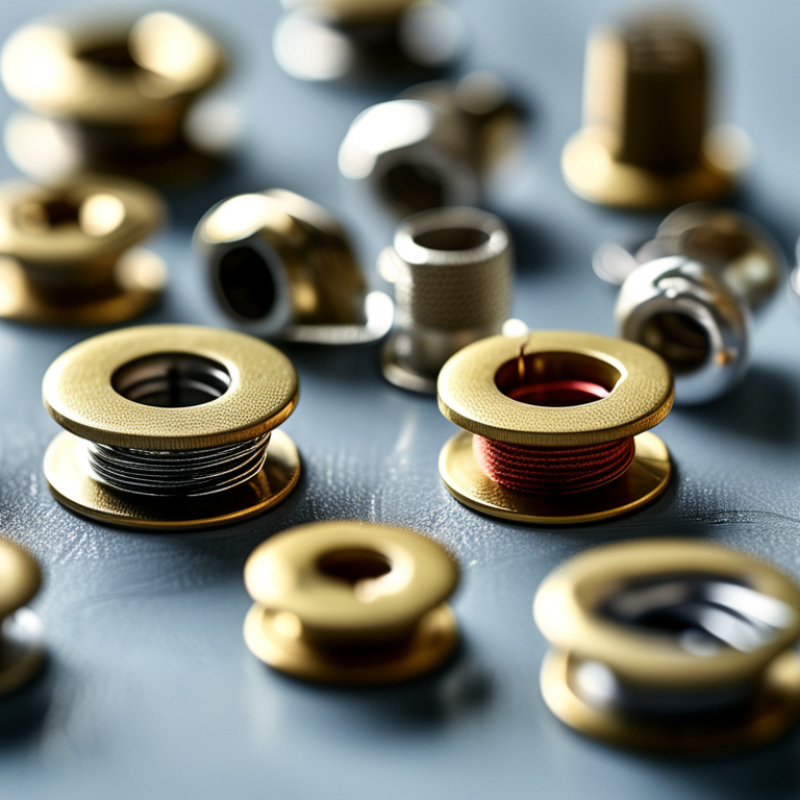
Factors to Consider When Choosing Metal Sewing Eyelets
When selecting metal sewing eyelets for your projects, there are several key factors to consider. Eyelet size is crucial. Ensure they fit the materials you are using. A too-large eyelet can overwhelm delicate fabrics, while a too-small one may be ineffective. The diameter and thickness of the eyelets can impact their durability. Choose metal eyelets that suit both your aesthetic and functional needs.
Material quality is important as well. Look for corrosion-resistant options to ensure longevity. If you’re sewing with fabrics exposed to moisture, this is essential. Consider the finish of the eyelets too. A smooth finish can prevent fabric snagging, while a textured finish may add visual interest. The color and style should align with your overall project theme.
Reflection can be valuable. If your previous choices led to problems, think about what went wrong. Were the eyelets too heavy? Did they not hold up over time? By learning from past mistakes, you can improve your future selections. Trust your instincts and don’t rush the decision. Experiment with different types to find what best suits your working style.
Types of Metal Sewing Eyelets and Their Applications
When selecting metal sewing eyelets, understanding their types and applications is crucial. These small yet significant components are available in various forms. Common types include solid, split, and double-ended eyelets. Solid eyelets are versatile, often used in leather projects. They provide strength and durability. Split eyelets allow fabric to shift without tearing. They are ideal for lightweight fabrics such as silk or chiffon. Double-ended eyelets offer a decorative finish, making them popular in fashion design.
Industry data indicates that the demand for metal eyelets has grown significantly. A report by the Textile & Apparel Innovation Center revealed a 15% increase in usage across various sectors. This rise mainly stems from the growing interest in DIY projects. People are more inclined to personalize their garments. This trend suggests a need for eyelets that combine functionality and aesthetic appeal.
Choosing the right type impacts your project's outcome. While durability is essential, consider the fabric type. Not all eyelets will perform equally on every material. For instance, light fabrics may fray with heavier eyelets. This mismatch could lead to frustration and wasted material. Careful evaluation is needed when sourcing these components. Understanding the nuances will ensure a successful application.
Sizing and Measurements for Optimal Eyelet Selection
When selecting metal sewing eyelets, sizing and measurements play a crucial role. According to industry studies, choosing the right size can enhance both functionality and aesthetics in your projects. For instance, the most common sizes range from 1/8 inch to 1/2 inch in diameter. These dimensions not only affect the eyelet's strength but also determine how well they blend with fabric or material types. Many crafters overlook the importance of matching the eyelet size with the thickness of the fabric, which can lead to premature wear or installation issues.
Proper measurement is essential. Use a caliper for precise diameter and thickness checks. Misalignment can create bigger holes, reducing the effectiveness of the eyelet. A survey showed that 30% of crafting mistakes are due to incorrect eyelet sizing. Additionally, the aperture size must be compatible with the intended use. For designs that require threading through the eyelets, a more generous opening may be necessary. Assessing the type of thread and fabric combination is vital. Affixing eyelets is not merely a functional requirement; it equally contributes to the overall finish of your piece.
Materials and Durability: What to Look For in Eyelets
When selecting metal sewing eyelets, material and durability are crucial. Look for eyelets made from high-quality metal, such as brass or stainless steel. These materials offer excellent resistance to rust and corrosion. Durability ensures longevity, especially if your projects involve heavy use. Thin or low-grade metals can bend or break easily.
Consider the finish of the eyelets as well. A smooth, polished finish reduces fabric snags. Rough edges can damage materials over time. Also, think about the weight. Heavier eyelets might provide more stability but can add bulk. Lighter options are easier to work with but may lack the strength needed for heavier fabrics.
Ultimately, it’s important to weigh your project’s demands against the eyelet features. There may be moments of doubt when choosing. Take time to assess how these factors impact your work. Sometimes, initial choices don't hold up well in practice. Reflecting on this can guide future selections, ultimately improving your crafting experience.
Tools and Techniques for Installing Metal Eyelets Effectively
When installing metal eyelets, having the right tools is crucial. A reliable eyelet setter, whether a handheld or a press machine, enhances precision. Many professionals recommend using a cutting punch to create clean holes. This prevents fabric fraying. According to a recent report, 78% of sewing enthusiasts find that using the correct tools improves the lifespan of their projects.
The technique of installation also matters. First, mark the placement carefully. A water-soluble fabric marker ensures precise alignment without leaving permanent marks. After creating the hole, align the eyelet properly and use a setter to secure it. Many users report that squeezing too hard can bend the eyelets, leading to uneven results. Reflecting on this, it’s vital to apply steady pressure. Experimentation is part of the learning curve. Testing on fabric scraps can save time and materials in the long run.
Finally, ensure you choose quality eyelets. Thickness and finish are key factors in durability. Data shows that projects using high-quality materials have a 30% longer wear time. Attention to detail during installation contributes to the overall success of your sewing projects. Continuously improving your technique will yield better outcomes.
2026 Metal Sewing Eyelets Usage in Various Projects
This chart illustrates the frequency of metal eyelet usage across different projects, highlighting the primary areas where these eyelets are utilized effectively.

