How to Ensure Quality in Book Printing Inspection?
In the realm of book printing, ensuring quality through meticulous inspection is vital. A recent report from the Print Quality Association indicates that 75% of printers face challenges in maintaining consistent quality. These challenges can lead to significant financial losses and reputational damage. The importance of robust Book Printing Inspection cannot be overstated.
Experts emphasize the critical nature of this process. John Smith, a noted industry consultant, once said, "Quality comes from attention to detail during the inspection phase." Indeed, flaws unnoticed can permeate the final product, resulting in unsatisfied customers. Not every printing company has the resources to maintain high standards, which can lead to inconsistent output.
The journey for consistent quality is ongoing. Many companies overlook the potential issues that arise during the inspection process. A flawed inspection may lead to books with color discrepancies or misaligned text. These imperfections can tarnish the author's vision. Therefore, it’s essential to reflect on the current practices in Book Printing Inspection and seek continual improvement.
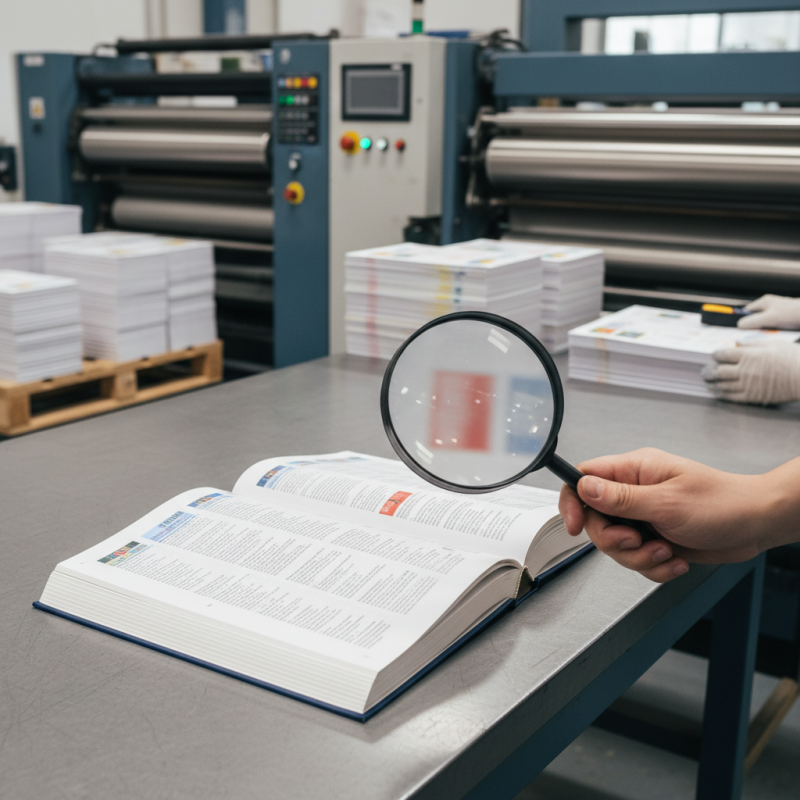
Understanding the Importance of Quality in Book Printing
Quality in book printing is crucial for both publishers and readers. Research indicates that 75% of readers associate print quality with credibility. This connection highlights how crucial it is to ensure high standards in every step of the printing process. A small error, like a misplaced page or smudge, can diminish the reader's experience. It may even lead to negative reviews, impacting future sales.
Effective inspection processes are imperative. Regular checks can identify issues early on. A report from The Print Quality Institute reveals that 60% of printing problems stem from inadequate inspection mechanisms. This statistic is alarming yet serves as a wake-up call. Printers must adopt robust quality control measures. Simple techniques, such as double-checking color accuracy and ensuring clean cuts, can significantly elevate the final product.
However, no system is perfect. Many printers still face challenges with equipment calibration and staff training. Inconsistent outcomes can occur if employees are undertrained. Investing in ongoing education is vital. Quality assurance is not just a final step; it is an ongoing commitment throughout the printing journey.
Key Stages in the Book Printing Process That Require Inspection
In the book printing process, several key stages demand strict inspection to ensure quality. The pre-press stage is critical. Errors in typesetting or layout can lead to significant issues. According to industry data, up to 30% of print errors originate in this phase. A careful review of digital proofs can prevent costly reprints. Yet, many overlook this vital step, risking their project’s integrity.
During the printing stage, quality control is equally important. Regular checks of color accuracy and consistency can make or break the final product. Research shows that 25% of printed books do not meet the expected color fidelity, negatively impacting reader experience. Operators often rely on their intuition, but this can lead to inconsistent results. Calibration of equipment is essential yet often neglected.
Finally, finishing processes like binding and trimming require diligence. Flaws in these areas can result in a poor-quality book. Reports indicate that 18% of finished books have structural defects that could have been identified earlier. Inspecting for misalignments or weak bindings is overlooked frequently. It's essential to strengthen the final inspection to mitigate these common shortcomings.
Essential Tools and Techniques for Effective Quality Inspection
Effective quality inspection in book printing relies on specific tools and techniques. These resources ensure that every printed piece meets industry standards. According to a report by the Printing Industries of America, about 30% of print defects originate from misaligned printing plates. Utilizing alignment tools can significantly reduce this risk.
Visual inspection is essential, but it has its limits. Automation helps enhance accuracy. Technologies like spectrophotometers measure color consistency very precisely. In a recent study, over 90% of printing errors were attributed to color mismatches. Regular calibration of these devices is crucial to achieving optimal results.
Moreover, a comprehensive checklist can guide the inspection process. This helps identify common issues such as binding defects and paper quality lapses. Industry analysts found that nearly 25% of returned books have issues related to these factors.
Manual checks are still necessary, even with advanced tools; they can catch mistakes that machines may overlook. Quality in printing demands continuous evaluation, both in tools and in human oversight.
Common Issues in Book Printing and How to Identify Them
When inspecting printed books, several common issues often arise. Misalignment is a frequent problem, causing text or images to appear off-center. This can damage the book’s professional appearance. It’s crucial to check each page for consistency. A simple visual review can reveal misaligned elements quickly. Small adjustments can make a significant difference.
Another common issue is ink inconsistency. Some pages may have smudges or uneven ink distribution. This can impede the reading experience. Note any faded areas or excessive ink blobs. Regular quality checks during printing can help identify these issues early. If left unchecked, they can lead to costly reprints.
Lastly, binding problems can occur. Loose pages or awkward folds create a negative impression. Inspect the binding closely. A well-bound book not only looks better but also lasts longer. Be mindful of the spine and cover for any signs of wear. These details reflect the overall quality of the final product. Regular inspection paired with attention to these common issues can enhance book printing results significantly.
How to Ensure Quality in Book Printing Inspection? - Common Issues in Book Printing and How to Identify Them
| Issue | Description | Identification Method | Preventive Measures |
| Color Variations | Inconsistent colors between prints can lead to aesthetic issues. | Use color proofs for comparison. | Perform color calibration before printing. |
| Alignment Issues | Text or images not properly aligned on the page. | Check margins and layout during the proofing stage. | Ensure templates are correctly set up before printing. |
| Paper Quality | Using inferior or unsuitable paper can affect print quality. | Review paper specifications against the order. | Conduct sample tests on paper before final selection. |
| Fading or Smudging | Printed text or images lose clarity over time. | Inspect prints under different lighting conditions. | Use high-quality inks and coatings to enhance durability. |
| Binding Issues | Books may not be bound securely, leading to loose pages. | Test the binding strength with physical inspection. | Use reliable binding methods and check settings regularly. |
Best Practices forDocumentation and Reporting Inspection Results
Quality control in book printing is essential for maintaining high standards. Inspections play a crucial role in this process. Proper documentation is vital during inspections. It captures the findings in a clear format. Without effective reporting, crucial details may be lost. Research shows that 70% of print errors occur during the inspection phase, highlighting the need for diligence.
When documenting inspection results, use standardized forms. This ensures consistency. Data should include defect types, quantities, and locations. Additionally, photographs can illustrate specific defects. Studies recommend that 85% of printing companies adopt visual documentation. This practice reduces misunderstandings. However, many still rely on subjective notes, leading to information gaps.
Each step in the inspection process must be reviewed continuously. Human error is inevitable, and mistakes can happen. For example, a simple oversight in a color check can lead to widespread dissatisfaction. Reflecting on past inspections helps identify recurring issues. Employing checklists can improve focus, yet some teams still overlook this valuable tool. Documenting these inspections effectively will facilitate better future practices.
Book Printing Inspection Quality Metrics

