How to Effectively Passivate Stainless Steel for Optimal Durability?
Passivating stainless steel is a critical process that enhances its resistance to corrosion. According to industry reports, passivated stainless steel has been shown to improve corrosion resistance by up to 50%, depending on the environment. This process involves treating the metal's surface, forming a protective oxide layer that seals off potential corrosion sites. Understanding how to effectively Passivate Stainless Steel can lead to significant durability benefits.
Research indicates that nearly 80% of stainless steel failures in harsh environments are due to inadequate passivation. By properly applying passivation techniques, companies can extend the lifespan of their products and reduce maintenance costs. Implementing best practices for this process not only ensures optimal performance but also addresses potential weaknesses in existing methods. Regular inspections and adjustments are necessary to achieve consistent results.
Despite advancements, achieving the perfect passivation finish is not always straightforward. Factors such as surface preparation and treatment duration can greatly impact the outcome. Continuous evaluation and adaptation of passivation techniques remain essential in maximizing stainless steel’s longevity and effectiveness. The importance of ongoing research and practical experience in passivating stainless steel cannot be overstated.
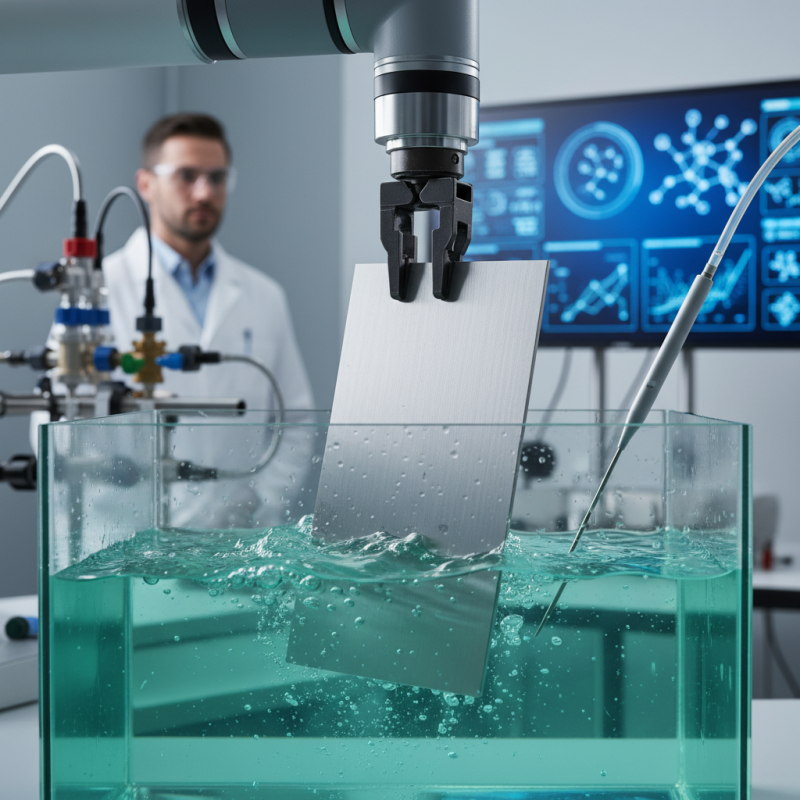
Understanding the Importance of Passivation in Stainless Steel
Passivation is a vital process for enhancing the durability of stainless steel. This process removes free iron and other contaminants from the surface, significantly improving corrosion resistance. According to industry reports, passivated stainless steel exhibits up to 70% better corrosion resistance compared to its untreated counterparts. This statistic underscores the importance of proper passivation in various applications, especially in environments that expose materials to moisture and chemicals.
The passivation process involves immersion in a solution, typically nitric acid or citric acid. This solution facilitates the formation of a protective oxide layer on the surface. The result is a smoother and more resilient surface, which can withstand harsh conditions. However, not all stainless steel surfaces respond equally to passivation. Factors like surface finish, alloy composition, and contaminants affect the effectiveness of the process. In some cases, a poorly executed passivation can leave behind residue, compromising durability.
Maintaining optimal passivation requires knowledge and experience. For instance, certain environments may necessitate additional steps such as rinsing and drying. Industry experts recommend detailed inspections post-passivation to ensure that the protective layer is intact. These practices highlight that achieving optimal durability through passivation is an ongoing process, as various factors can play a role in its success.
Common Methods of Passivation for Stainless Steel Surfaces
Passivation is crucial for enhancing the durability of stainless steel surfaces. It creates a protective oxide layer that helps prevent corrosion. Several methods can achieve this, each with distinct advantages. Acidic solutions such as nitric acid are common in industrial passivation. They effectively remove free iron and enhance the chromium content, which is vital for corrosion resistance.
Electropolishing is another method gaining popularity. It not only passivates but also smooths the surface. This reduces micro-roughness that can trap contaminants. Reports show that electropolished stainless steel exhibits lower corrosion rates in aggressive environments. Studies indicate a 30% improvement in lifespan compared to non-treated surfaces.
However, some methods may not be suitable for all conditions. For example, using strong acids may lead to surface damage if not controlled properly. Maintaining the right concentration and exposure time is essential. While passivation enhances durability, fluctuations in environmental conditions can challenge its effectiveness. Understanding these nuances is key to ensuring optimal performance.
Step-by-Step Process for Effective Stainless Steel Passivation
Passivation of stainless steel is crucial for enhancing its durability and corrosion resistance. The process removes free iron from the surface. This aids in forming a protective oxide layer. According to the ASTM A967 standard, a significant reduction in corrosion rates can be achieved through proper passivation. For instance, electropolished stainless steel has shown a 90% decrease in corrosion susceptibility compared to untreated surfaces.
To effectively passivate stainless steel, start with a thorough cleaning. Use degreasers to eliminate oils and contaminants. After cleaning, rinse the surface comprehensively. A neutral pH solution helps to mitigate harmful residues. A common mistake is skipping this cleaning step, which can lead to inadequate passivation. After cleaning, dip the stainless steel in a citric acid or nitric acid solution. This step should last about 30 minutes, ensuring the acid effectively removes impurities without damaging the steel.
Post-passivation, rinse with deionized water to remove any residual acid. Finally, conduct a corrosion test to verify the effectiveness. It's important to note that not all passivation methods yield the same results. Continuous monitoring and adjustment of the process may be needed. Observing variations in local climate conditions can also influence the performance of the passivation layer. Regular evaluations can inform optimal practices and prevent costly mistakes in stainless steel maintenance.
Best Practices for Ensuring Optimal Passivation Results
Passivating stainless steel is essential for enhancing its corrosion resistance and overall durability. Industry reports reveal that effective passivation can reduce corrosion rates by up to 80%. To achieve optimal results, it's crucial to follow best practices during the process.
Start by ensuring that the stainless steel surface is clean. Contaminants like oils or dirt can hinder the formation of a protective oxide layer. Use appropriate cleaning agents to prepare the surface. After cleaning, apply a nitric acid or citric acid solution for passivation. The concentration and exposure time significantly affect the outcome. Studies suggest a minimum exposure of 30 minutes at room temperature for nitric acid solutions to be effective.
Another critical factor is rinsing. After passivation, a thorough rinse with deionized water is necessary to remove residual chemicals. Any leftover acid can lead to pitting, negating the benefits of passivation. Monitor the stainless steel’s surface after this process for any signs of oxidation or corrosion. Continuous evaluation helps identify any inadequacies early and allows for adjustment in practice. This consistent attention to detail can significantly enhance the longevity and reliability of stainless steel components.
Stainless Steel Passivation Effectiveness
Maintenance Tips for Long-Lasting Passivated Stainless Steel
To maintain the durability of passivated stainless steel, regular care is essential. According to the International Stainless Steel Forum (ISSF), proper passivation can enhance corrosion resistance by as much as 30%. Over time, environmental factors can impact this protective layer. Regular cleaning with mild detergents helps prevent debris accumulation. Grit or dust can harm the surface, reducing its effectiveness.
It's crucial to avoid abrasive cleaners. These can scratch the surface, compromising the passivation layer. Instead, employ soft cloths or non-abrasive sponges. Studies indicate that even small defects can lead to localized corrosion, which is costly to repair. For outdoor environments, applying a suitable sealant can provide further protection, extending the lifespan significantly.
Monitoring environmental conditions also plays a key role. Humidity and exposure to chemicals can weaken stainless steel. Keeping it dry and free from corrosive agents is vital. Monthly inspections can identify early signs of wear. By being proactive, you enhance the longevity of your stainless steel investments. Overall, the durability of passivated stainless steel hinges on consistent care and understanding of its vulnerabilities.

