Eco Friendly Pharmaceutical Packaging Tips from China Import Expo?
In recent years, the shift towards Eco Friendly Pharmaceutical Packaging has become increasingly essential. A report from Smithers Pira predicts that the global market for eco-friendly packaging will reach $400 billion by 2025. This growth reflects the rising consumer demand for sustainable practices in the pharmaceutical industry. Experts like Dr. Emily Green, a leading authority in packaging sustainability, emphasize, "Eco-friendly solutions are not just an option; they are a responsibility."
At events like the China Import Expo, industries are showcasing innovations that support eco-friendly practices. The emphasis on advanced technologies aligns with trends toward reducing plastic waste and enhancing recyclability. Eco-friendly materials can lower carbon footprints and contribute to circular economy goals. However, challenges remain. Not all sustainable materials provide the same protection, and costs can be a concern for manufacturers.
Moreover, as the market evolves, companies must reflect on their current strategies. While progress is made, many still rely on traditional packaging methods that may harm the environment. The time for a meaningful change is now. Through collaboration and innovation, the pharmaceutical sector can lead the way in adopting Eco Friendly Pharmaceutical Packaging.
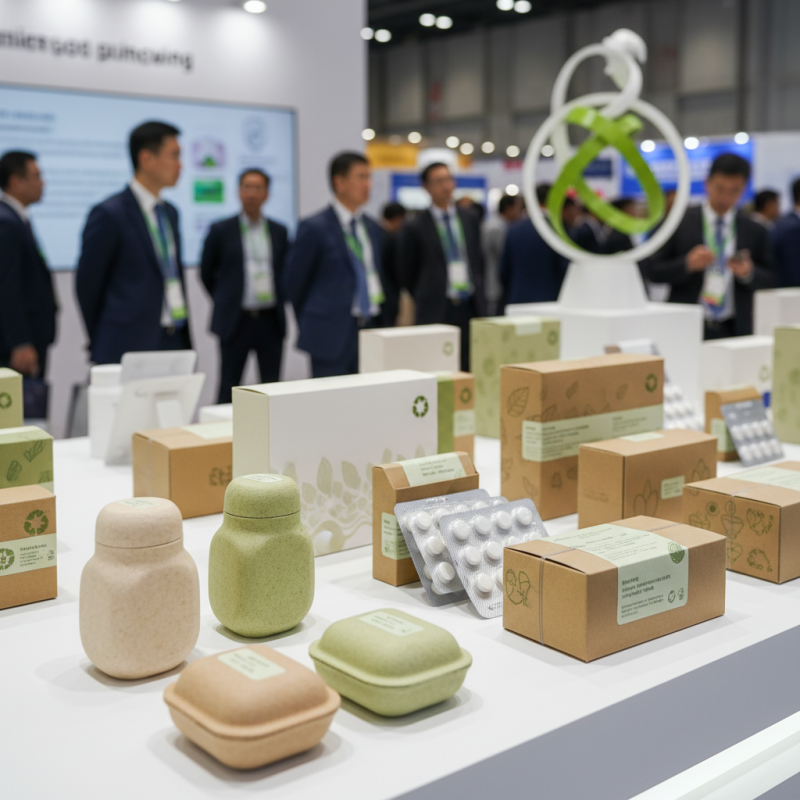
Understanding the Importance of Eco-Friendly Pharmaceutical Packaging
In the pharmaceutical industry, eco-friendly packaging is gaining importance. Reports indicate that 80% of pharmaceutical waste comes from packaging. This underscores the need for sustainable solutions. Environmental concerns are driving manufacturers to rethink their approaches. The shift to eco-friendly materials can significantly reduce this waste.
Biodegradable and recyclable packaging options are becoming more available. These materials not only minimize environmental impact but also enhance brand reputation. About 50% of consumers prefer brands that use sustainable packaging. It's a vital consideration in product design and marketing strategies. However, many companies still rely on traditional, non-biodegradable materials. This raises questions about their commitment to sustainability.
Failure to adopt eco-friendly practices could lead to regulatory challenges. Emerging regulations worldwide emphasize sustainable practices in packaging. Companies need to take these changes seriously. Investing in eco-friendly packaging isn't just a trend; it’s becoming a necessity. Some firms struggle with the transition, finding cost implications challenging. The journey toward sustainability requires more than just compliance; it demands innovative thinking and dedication.
Eco Friendly Pharmaceutical Packaging Trends
This chart illustrates the adoption rates of various eco-friendly pharmaceutical packaging types, highlighting the growing trend towards sustainability in the pharmaceutical industry. The data suggests a significant shift towards biodegradable and recyclable materials, emphasizing the industry's commitment to reducing environmental impact.
Insights Gained from the China Import Expo on Sustainable Practices
The China Import Expo showcased innovative sustainable practices in pharmaceutical packaging. Many companies are shifting towards eco-friendly materials. Reports indicate that nearly 75% of consumers prefer brands with green packaging. This trend is reshaping the industry.
Recyclable and biodegradable packaging options are now more available. For instance, some exhibitors highlighted plant-based plastics. These alternatives reduce reliance on petroleum-based materials. However, the cost-effectiveness of these options often raises concerns. Can companies afford to make this switch?
It's essential to consider the environmental impact of packaging. The pharmaceutical sector generates substantial waste. Statistics reveal that about 30% of pharmaceutical packaging is discarded without proper recycling. This prompts a pressing need for better practices. The Expo emphasized the importance of collaboration across the supply chain. Sharing knowledge can drive meaningful change in sustainability efforts. Many attendees recognized that while progress is being made, challenges remain.
Innovative Materials for Eco-Friendly Pharmaceutical Packaging
The demand for eco-friendly pharmaceutical packaging is on the rise. Innovative materials are transforming the industry. According to a recent report, over 70% of consumers prefer sustainable packaging options. This shift is changing how companies approach their packaging strategies.
Biodegradable materials are gaining traction. Cornstarch and cellulose-based films are popular choices. They break down naturally, reducing environmental impact. Research suggests biodegradable options can cut plastic waste significantly. Companies must explore these materials to meet consumer expectations.
Here are tips for eco-friendly packaging: Use minimal packaging when feasible. Consider using refillable containers. Recyclable materials can also enhance sustainability. Keep in mind that transitioning to eco-friendly options can be complex. Some materials may not provide adequate protection. It’s crucial to test for effectiveness. Balancing safety and sustainability can be a challenge, but it's essential for industry growth.
Strategies for Implementing Sustainable Packaging Solutions
As the world moves towards sustainability, pharmaceutical companies must also adapt. Eco-friendly packaging is essential, especially in the industry. Many companies are exploring greener options. These are not just trends; they are necessary changes.
One strategy is to use biodegradable materials. This could include plant-based plastics or recycled materials. Innovative design can minimize waste. Packaging should serve its purpose without excess. Consider multi-use containers or refillable options. This reduces the number of products thrown away. Yet, there’s a balance to strike. Not all materials offer the same protection. Therefore, companies must evaluate their choices carefully.
Consumer awareness is rising. Many patients care about how their medicines are packaged. They prefer brands that show environmental responsibility. However, the transition to sustainable packaging can be challenging. Cost implications and supply chain adjustments are frequent hurdles. Additionally, finding materials that meet regulatory standards can be tricky. Each step needs thoughtful consideration and creativity. We must not overlook these challenges, but they are opportunities for growth and improvement.
Future Trends in Eco-Friendly Pharmaceutical Packaging in China
The pharmaceutical packaging landscape in China is shifting towards sustainability. Current trends highlight a growing emphasis on eco-friendly materials. Many companies are exploring biodegradable options. Traditional plastic packaging is being scrutinized for its environmental impact. Innovations like plant-based plastics are emerging. These alternatives help reduce waste in landfills.
However, challenges remain. The cost of sustainable materials can be higher. Small and medium-sized enterprises often struggle to make the switch. Additionally, consumer awareness plays a crucial role in this transition. Many still prefer conventional packaging due to familiarity. Overcoming these barriers requires creativity and collaboration within the industry.
Future trends will likely include enhanced recycling programs. More companies might adopt circular packaging solutions. Educational initiatives could help increase consumer acceptance. With these efforts, the pharmaceutical industry can move towards a more sustainable future. Yet, it is important to reflect on the ongoing gaps. A balanced approach is necessary to ensure both efficacy and environmental responsibility.

