How to Choose the Right Layflat Tubing for Your Projects?
Choosing the right layflat tubing for your projects is crucial. Recent industry reports indicate that the layflat tubing market is projected to grow significantly. In fact, a study by Market Research Future predicts a compound annual growth rate (CAGR) of 5.6% from 2021 to 2026. This growth reflects the demand across various sectors, including agriculture and construction.
Layflat tubing is versatile and easy to handle. Its adaptability makes it ideal for irrigation, drainage, or temporary water transportation. However, selecting the appropriate type can be challenging. Considerations like material strength, diameter, and wall thickness play vital roles. Many users overlook these factors, leading to inefficiencies or even project setbacks.
Understanding your specific needs is essential. For instance, using the wrong layflat tubing may result in leaks or damage. There’s no one-size-fits-all solution. A thoughtful approach is needed when choosing the right layflat tubing. It's vital to balance quality with cost while fulfilling project requirements.

Understanding Layflat Tubing: Key Features and Benefits
Layflat tubing is a flexible, versatile option for various projects. It's essential to understand its key features. The material is generally lightweight and durable. It can handle different pressures, making it suitable for diverse applications, from irrigation to construction.
One benefit of layflat tubing is its easy storage. When not in use, it can be rolled up tightly. This saves space and makes transport simpler. Additionally, it resists UV rays and harsh weather, offering long-lasting performance. However, it's important to consider the right thickness and diameter for your specific needs. Oversizing can lead to excessive costs and installation difficulties.
Another aspect is the compatibility with connectors and fittings. Not all tubes work seamlessly with every connection type. Choosing the wrong fit can lead to leaks or bursts. Analyzing project requirements is vital. It's also worth reflecting on application conditions. Will the tubing be exposed to extreme weather or heavy machinery? Consider all elements carefully to maximize efficiency.
Assessing Project Requirements for Layflat Tubing Selection
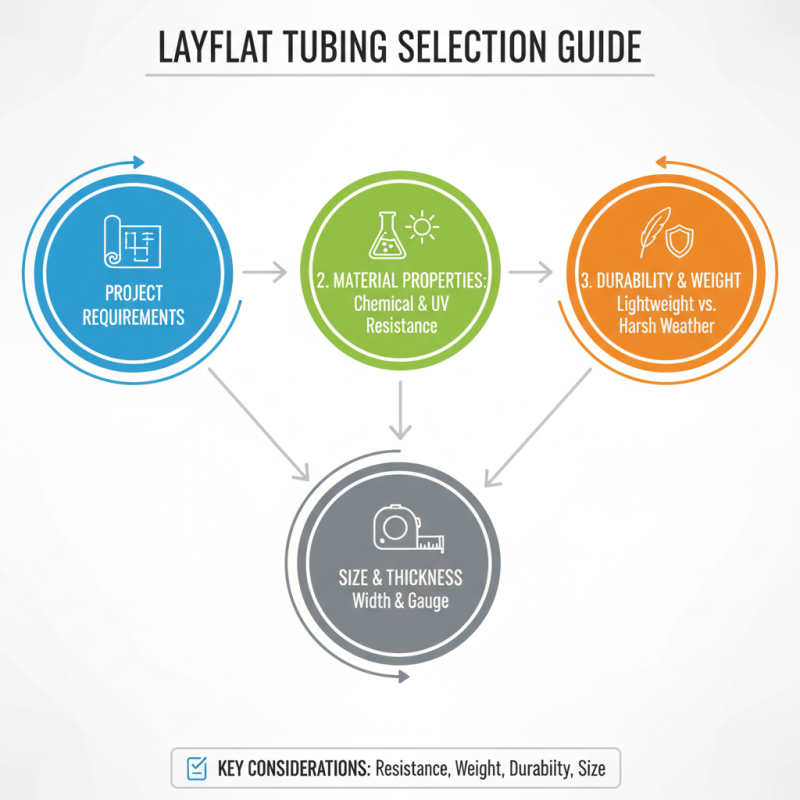
When selecting layflat tubing, starting with your project requirements is crucial. Consider the material's resistance to chemicals and UV rays. Some projects may require lightweight tubing, while others need durability against harsh weather. Determine the necessary thickness and width for your specific use.
Evaluate the intended applications. Layflat tubing is used in irrigation, drainage, and other fluid transfer tasks. Each application has unique demands. You might need a specific length to reach different areas. Do you need the tubing to withstand high pressure? Pay attention to these details.
Sometimes, users overlook environmental factors. Consider temperature fluctuations or exposure to sunlight. These can affect the tubing's performance over time. Also, think about the ease of installation and transportation. Poor choices can lead to project delays. Reflecting on these aspects can help in making a more informed decision.
Material Types and Their Impact on Layflat Tubing Performance
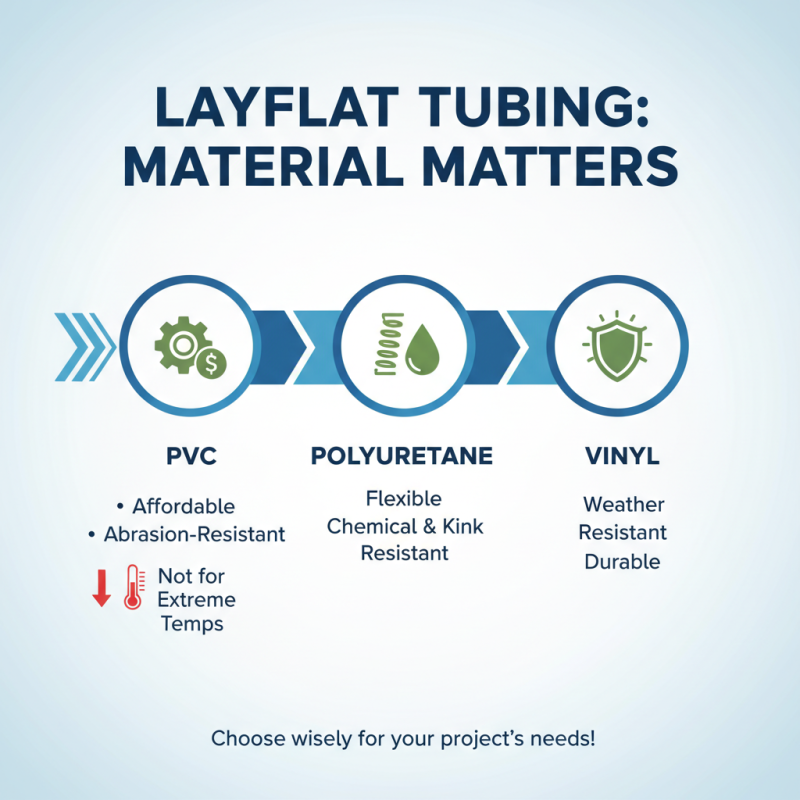
Choosing the right layflat tubing is crucial for any project. The material type affects durability, flexibility, and performance. Common materials include PVC, polyurethane, and vinyl. Each has unique properties that cater to different needs. PVC is popular due to its affordability and resistance to abrasions. However, it may not withstand extreme temperatures.
Polyurethane offers superior flexibility and better performance in colder climates. It has a longer lifespan under harsh conditions. Reports indicate that polyurethane tubing can last up to 50% longer than PVC in similar applications. Vinyl, while less common, is lighter and often used in low-pressure applications.
Tips: Assess the environment where the tubing will be used. Avoid PVC for high-temperature settings. Consider polyurethane if durability is a priority. Testing material performance in real conditions can save money in the long run.
Another factor is the tubing's pressure capabilities. High-pressure applications demand stronger materials. Unfortified tubing can fail, leading to project delays. Check specifications carefully. Industry data suggests that using the correct material can improve efficiency by up to 30%. Keep in mind that not all products are created equal; always verify performance claims before making a choice.
Sizing and Dimensions: Choosing the Right Layflat Tubing Fit
Choosing the appropriate size of layflat tubing is crucial for any project. Layflat tubing comes in various dimensions. It is available in widths ranging from a few inches to several feet. The right size depends on the application. Using a tube that is too small can cause leaks. Alternatively, oversized tubing may lead to unnecessary waste.
When determining dimensions, consider flow rate. A larger diameter allows for more fluid to pass through. However, it may be cumbersome in tight spaces. Accurate sizing is vital. Measure the intended area carefully before making a choice. If you are unsure, consult with industry experts for better insights. Remember, choosing the wrong size can result in project delays.
Additionally, think about the tubing's working pressure. Some applications require higher resistance to avoid ruptures. It can be tempting to select the cheapest option, but this may compromise quality. Find a balance between cost and durability. Reflect on your past experiences with various sizes. This can guide your decision-making process.
How to Choose the Right Layflat Tubing for Your Projects?
Applications of Layflat Tubing in Various Industries
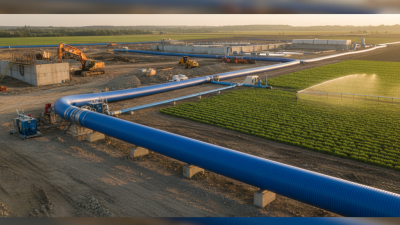
Layflat tubing is widely used across various industries due to its versatility and strength. In agriculture, for instance, it plays a crucial role in irrigation systems. According to a report by AgriTech Insights, layflat tubing can reduce water waste by up to 30%. This improvement is significant in areas facing water scarcity. Proper selection of layflat tubing can enhance efficiency and ensure crops receive adequate moisture.
Construction also benefits from layflat tubing. It is often used to transport water or materials. Data from the Construction Materials Association indicates that nearly 40% of construction projects utilize some form of flexible tubing. This usage not only streamlines operations but also minimizes space requirements. However, it's vital to match the tubing specifications with project demands. Incorrect choices can lead to costly delays.
In other industries like mining and oil & gas, the requirements for layflat tubing vary greatly. High-pressure resistance is a must in these sectors. The International Pipe and Tube Association notes that over 25% of project failures are due to inadequate tubing selection. Reliable performance is non-negotiable in harsh environments, highlighting the need for careful decision-making. Reflecting on these applications can reveal gaps in knowledge that professionals need to address.
How to Choose the Right Layflat Tubing for Your Projects? - Applications of Layflat Tubing in Various Industries
| Industry |
Application |
Material Type |
Diameter Options (inches) |
Pressure Rating (psi) |
| Agriculture |
Irrigation systems |
PVC |
1 to 4 |
60-100 |
| Construction |
Site dewatering |
Polyethylene |
2 to 6 |
80-150 |
| Mining |
Slurry transport |
Rubber |
3 to 8 |
100-200 |
| Event Management |
Temporary plumbing |
Nylon |
1 to 2 |
30-50 |
| Environmental Services |
Containment |
Polyester |
2 to 5 |
70-120 |