How to Choose the Right Flexible Plastic Tubing for Your Needs?
Choosing the right flexible plastic tubing can be challenging. Experts emphasize the importance of selecting the right materials for specific applications. Dr. Jane Smith, a leading specialist in polymer applications, states, "The right flexible plastic tubing can significantly enhance performance and reliability."
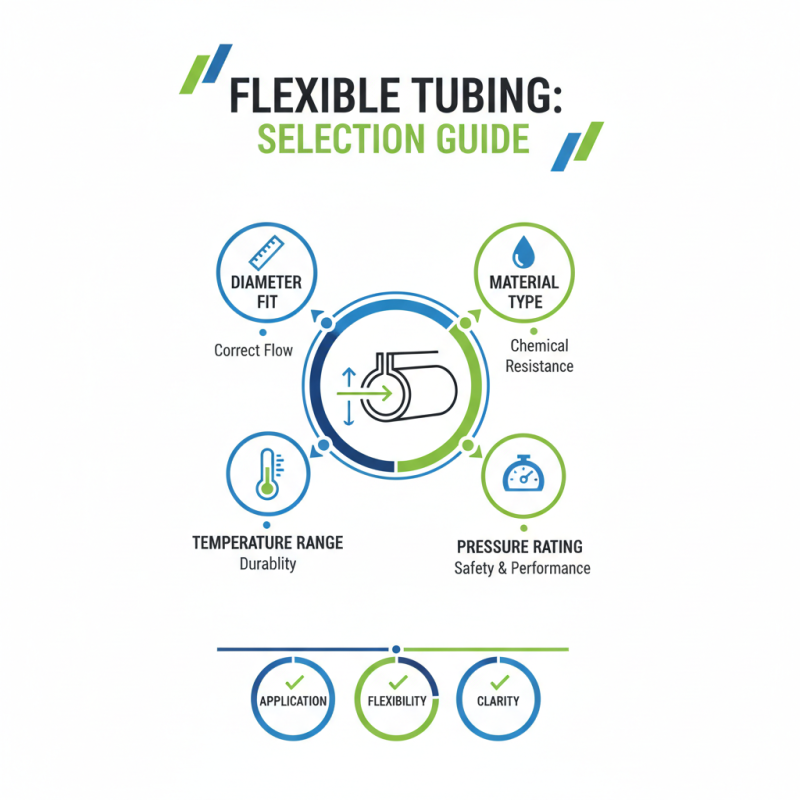
When selecting flexible plastic tubing, consider the intended use. Different environments demand different properties. For example, high temperatures or aggressive chemicals may require specialized materials. It's crucial to match the tubing's characteristics with your needs.
Many customers make mistakes due to lack of information. Not all plastic tubing is created equal. You might find that a specific type fails under pressure or impacts. Testing and evaluating are essential in overcoming these challenges. Remember, a thoughtful choice of flexible plastic tubing can prevent future issues and ensure long-term success.
Types of Flexible Plastic Tubing and Their Applications
When choosing flexible plastic tubing, understanding the types available is crucial. Various materials serve different purposes. For instance, polyethylene tubing is popular for its chemical resistance. It’s ideal for agriculture and manufacturing. It’s easy to work with and relatively affordable.
Another type is PVC tubing, known for its durability. This material is often used in plumbing and drainage systems. Its flexibility makes it simple to install. Additionally, silicone tubing stands out for its temperature resistance. It’s suitable for food and medical applications. However, silicone can be pricier, which may be a drawback for some.
It’s important to assess your specific needs before making a choice. The environment of use affects the decision. In high-pressure situations, opting for reinforced tubing might be necessary. You might also find that some options aren’t as flexible as they claim. Being aware of these factors will help you avoid costly mistakes. Always check the specifications carefully, as not all tubing is equal.
Understanding the Importance of Size and Diameter in Tubing
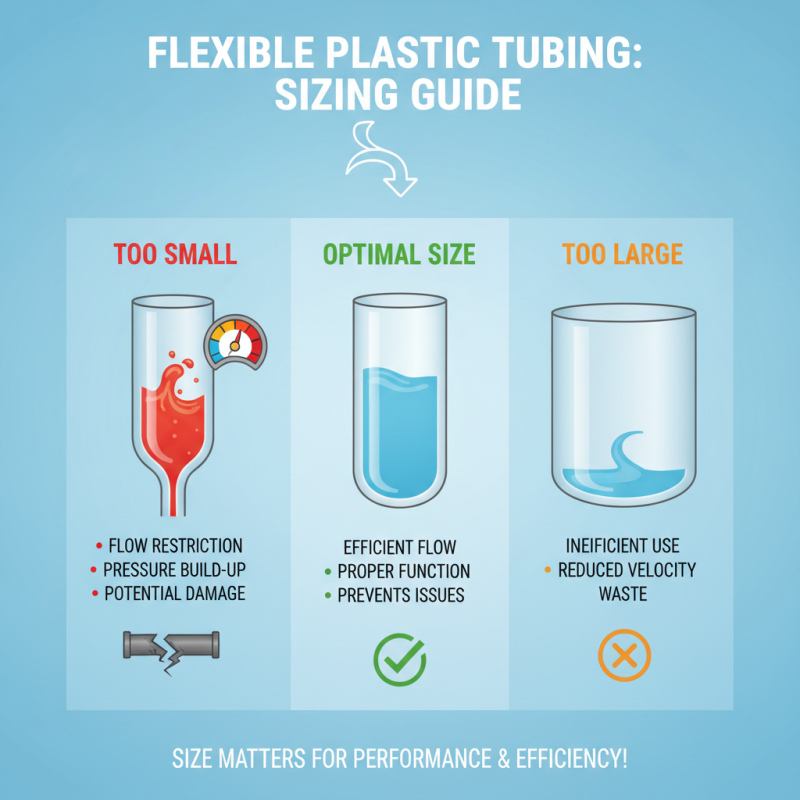
When selecting flexible plastic tubing, size and diameter are crucial. They determine how well the tubing will perform in various applications. If the diameter is too small, flow restrictions may occur. This can lead to pressure build-up and potential damage. Conversely, if the diameter is too large, the tubing may be inefficient for its intended use. Proper sizing is essential for optimal function.
Choosing the right size requires careful consideration. Measure the components the tubing will be attached to. Think about the nature of the fluid being transported. For example, thicker liquids may require wider tubing. A common mistake is to overlook these factors, resulting in a mismatch. If collaborating with a team, gather their insights as well.
Remember, flexibility plays a role alongside size. If the tubing is too rigid, it may not fit its intended space. Evaluate your environment as well. Tight spaces may require thinner, more flexible options. Don’t hesitate to prototype different sizes. Sometimes, the perfect fit is discovered through trial and error. Keep notes on what works and what doesn’t. Reflections on previous choices often lead to better decisions in future projects.
Common Challenges and Solutions in Using Flexible Plastic Tubing
Choosing the right flexible plastic tubing can be challenging. Many factors come into play, including material and diameter. Common problems can arise during use. One major issue is kinking, which restricts flow. If the tubing bends sharply, it can lead to blockages. Ensuring the right bend radius is crucial for smooth operation.
Tips: Always check the manufacturer guidelines for bend radii. This prevents kinking and maintains consistent flow rates.
Another frequent challenge is compatibility with various substances. Some plastics may degrade when in contact with certain chemicals. This degradation can lead to leaks or even failures in your system. Conduct thorough research on material compatibility with your specific application.
Tips: Test the tubing with small quantities before full-scale use. This helps avoid unexpected issues and costly replacements later.
Lastly, pressure changes can affect tubing performance. If the pressure fluctuates, the tubing could stretch or collapse. This can be problematic in applications demanding constant flow. Make sure to monitor pressure levels regularly to avoid these failures.
Tips: Use pressure gauges to track fluctuations. This proactive approach can save time and resources in the long run.
How to Choose the Right Flexible Plastic Tubing for Your Needs?
This bar chart illustrates the common challenges faced when using flexible plastic tubing and their respective solutions. The data represents the challenges categorized by frequency of occurrence based on user feedback.
Budget Considerations for Purchasing Flexible Plastic Tubing
When selecting flexible plastic tubing, budget plays a crucial role. The price varies widely based on material, size, and application. Investing more initially may save costs later. For instance, higher-quality tubing can withstand pressure better. Worn-out tubing can lead to leaks or malfunctions, increasing maintenance costs. It’s essential to assess your needs carefully.
Compare prices among suppliers. Some might offer discounts for bulk purchases. However, not all inexpensive options provide good durability. Evaluate the long-term cost versus the initial price. Check for hidden fees like shipping. Remember, choosing a cheap product may lead to frequent replacements. Sometimes, spending a little extra can ensure peace of mind.
Think about the specific requirements for your project. Are there specific industry standards to meet? Will the tubing be used outdoors or in harsh conditions? Every application is different. It’s worth researching materials that might fit better. Don’t rush the decision. Reflect on your choices. Balancing quality and budget is vital for the success of your project.