How to Choose the Right Drill Pipe in 2026?
Choosing the right Drill Pipe in 2026 requires more than comparing prices, weights, or supplier promises. The pipe connects surface equipment to the drilling assembly, so a poor choice can increase vibration, fatigue, downtime, and operating costs. Field experience shows that small details often matter. Thread condition. Wall thickness. Handling history.
This guide explains how to evaluate Drill Pipe for different drilling environments and project demands. It considers steel grade, outside diameter, internal diameter, tool joint strength, connection design, length, and expected loading. Torque, tension, bending, pressure, temperature, and corrosion exposure should be reviewed together. One specification rarely tells the complete story.
Reliable selection begins with verified information. Check manufacturer certificates, inspection records, dimensional reports, and applicable industry standards. Confirm that the supplier can explain manufacturing controls and inspection methods. Independent testing may also support critical purchasing decisions. However, documentation is not a substitute for engineering judgment. That assumption can fail.
A pipe suitable for a shallow, straight hole may perform poorly in a deep directional well. Field crews should also consider transportation, storage, make-up procedures, and local maintenance capability. A technically strong product can still create problems when workers lack compatible tools or training. The cheapest option may become expensive after one unexpected failure.
Conditions change.
The following sections provide a practical framework for comparing products, questioning supplier claims, and matching pipe characteristics with actual drilling risks. Some decisions remain uncertain without complete well data. That is acceptable, but the uncertainty should be recorded, reviewed, and managed before purchase.
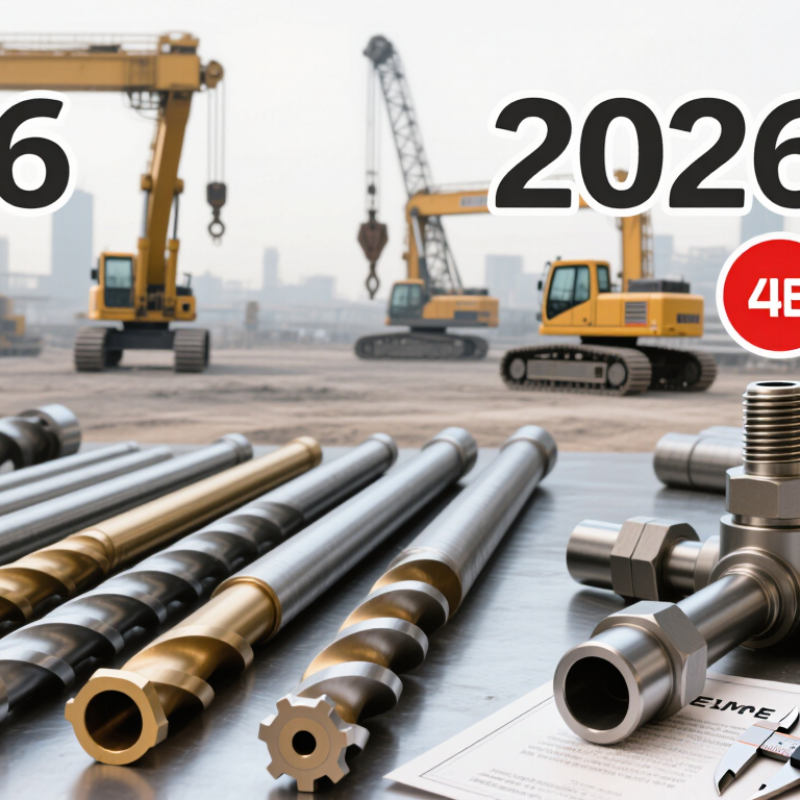
Drill Pipe Basics and Its Role in Modern Drilling Operations
How to Choose the Right Drill Pipe in 2026?
Drill pipe is the working link between the rig and the drill bit. Its hollow body carries drilling fluid downward and returns cuttings to the surface. It also transfers torque and weight through changing rock formations. Tool joints provide strong threaded connections at each pipe end. Wall thickness, outside diameter, steel grade, and connection design affect performance. Small differences matter underground.
Modern drilling demands more than basic strength. Directional wells create repeated bending and higher fatigue loads. Extended-reach wells may increase torque, drag, and connection stress.
Engineers should match pipe capacity with depth, hole angle, pressure, temperature, and rig limits. Corrosive fluids also require careful material selection and inspection planning.
Real-time sensors can reveal vibration, pressure changes, and early fatigue signals.
Field crews should examine pipe history, thread condition, wear patterns, and previous repairs. A clean selection sheet can still miss handling damage. That happens. Regular inspection remains essential.
I would also question calculations based only on maximum tensile strength. Torsion, internal pressure, buckling, and fatigue can interact during one trip. The right drill pipe is not simply the strongest option. It must fit the entire drilling system, including fluid behavior, connection makeup, storage conditions, and crew experience. Even experienced teams may need to revise their choice after early well data.
Key Factors for Matching Drill Pipe to Drilling Conditions
How to Choose the Right Drill Pipe in 2026?
Key Factors for Matching Drill Pipe to Drilling Conditions
Selecting drill pipe starts with the formation, not the catalog. Hard, abrasive rock demands strong tool joints and reliable wear resistance. Soft formations may require different weight, stiffness, and hydraulic performance. Review hole diameter, planned depth, deviation, torque, and expected drag before choosing pipe dimensions. Details matter.
Connection design must match the rig’s rotary system and operating loads. Check tensile capacity, torsional strength, bending limits, and internal pressure ratings together. A pipe may tolerate high tension but fail under repeated torque and fatigue. In extended-reach wells, small design errors can increase friction along thousands of meters. Field engineers should compare calculations with nearby well data and actual operating records.
Mud properties also influence the decision. High-density or abrasive fluid can accelerate internal erosion and connection damage. Temperature, corrosion risk, and pressure cycles deserve equal attention. Inspect each pipe for wall loss, thread damage, and abnormal wear before deployment. Measure twice.
A common mistake is selecting pipe only by maximum strength. That approach can overlook handling weight, hydraulic restrictions, and inspection quality. It is also tempting to trust a familiar specification without questioning changing geology. That assumption deserves challenge. A practical choice balances mechanical capacity, fatigue life, compatibility, maintenance access, and the crew’s real operating experience. Forecasts are useful, but field conditions remain imperfect.
How to Choose the Right Drill Pipe in 2026? - Key Factors for Matching Drill Pipe to Drilling Conditions
| Drilling Condition | Typical Depth | Formation and Hole Profile | Typical Hole Size | Recommended Pipe OD | Common Wall Thickness | Typical Torque Demand | Suggested Steel Grade | Connection and Design Priorities |
|---|---|---|---|---|---|---|---|---|
| Shallow water-well or geotechnical rotary drilling | 50–300 m | Unconsolidated soil, sand, gravel, weathered rock; generally straight-hole drilling | 150–300 mm | 60.3–88.9 mm | 4.8–6.5 mm | 5–15 kN·m | E75 or X95 | Prioritize low weight, adequate wear resistance, simple API-style threaded connections, and easy handling. |
| Medium-depth oil or gas vertical drilling | 1,000–3,500 m | Mixed sandstone, shale, limestone, and interbedded formations; moderate compression and tension | 152–311 mm | 88.9–127.0 mm | 6.5–9.2 mm | 10–25 kN·m | G105 or S135 | Check tensile capacity, tool-joint strength, internal pressure, connection make-up torque, and fatigue exposure. |
| Deep vertical drilling with high tensile load | 3,000–6,000 m | Long drillstring, high hook load, elevated pressure, and extended rotating hours | 152–311 mm | 101.6–139.7 mm | 8.4–11.0 mm | 20–40 kN·m | S135, subject to design verification | Prioritize high tensile strength, low-cycle and high-cycle fatigue resistance, premium connections, and accurate inspection records. |
| Directional or extended-reach drilling | 1,500–5,000 m measured depth | Build, hold, and horizontal sections; repeated bending, sliding, and rotating cycles | 152–311 mm | 88.9–127.0 mm | 6.5–10.4 mm | 15–40 kN·m | S135 or an equivalent grade after fatigue analysis | Evaluate torque-and-drag results, bending stress, connection fatigue, tool-joint outside diameter, and buckling risk. |
| Geothermal drilling | 1,000–4,000 m | Hard volcanic or crystalline rock, high temperature, abrasive cuttings, and frequent tripping | 216–444 mm | 114.3–168.3 mm | 8.6–12.1 mm | 20–60 kN·m | G105 or S135, with temperature suitability confirmed | Confirm elevated-temperature strength, corrosion resistance, hardbanding compatibility, wear allowance, and hydraulic pressure limits. |
| Offshore or deep high-pressure drilling | 3,000–7,000+ m | Long marine riser or subsea string, narrow operating margins, high tension, and corrosive exposure | 152–311 mm | 114.3–168.3 mm | 9.2–12.7 mm | 25–60 kN·m | S135 or a verified high-strength configuration | Verify burst, collapse, tension, fatigue, sour-service requirements, corrosion allowance, connection integrity, and inspection traceability. |
| Abrasive mining or hard-rock rotary drilling | 100–1,500 m | Quartz-rich, fractured, or competent rock; high vibration and rapid external wear | 100–250 mm | 76.2–114.3 mm | 6.5–10.0 mm | 10–35 kN·m | G105 or S135, depending on load and fatigue requirements | Select abrasion-resistant tool joints, robust upset sections, strong thread shoulders, and a practical inspection interval. |
| Engineering note: The ranges shown are indicative selection references, not design limits. Final drill-pipe selection should be verified against hole diameter, planned depth, mud density, pressure, temperature, torque-and-drag analysis, fatigue calculations, connection ratings, corrosion conditions, and applicable API or ISO requirements. | ||||||||
How to Compare Drill Pipe Materials, Grades, and Specifications
How to Choose the Right Drill Pipe in 2026?
Choosing drill pipe starts with comparing materials, grades, and specifications against the actual drilling environment. Carbon steel remains common because it balances strength, cost, and availability. Alloy steel may perform better under heavy torque, repeated bending, or deeper wells. Stainless options can resist corrosion, but their higher price may not suit every project. Material selection is not only about hardness. Toughness matters when sudden loads or low temperatures create cracking risks.
Grade selection should match expected tension, torque, pressure, and fatigue cycles. Check yield strength, tensile strength, wall thickness, outside diameter, and connection dimensions. Tool joint design also affects hydraulic performance and wear. For corrosive or sour conditions, verify the pipe’s service rating and inspection records. Never rely only on a supplier table. A spreadsheet can look precise and still hide a bad assumption.
Tips: Compare the pipe grade with the planned well profile, not a standard purchase list. Request heat numbers, manufacturing records, and recent inspection results. Measure critical dimensions when the pipe arrives. Small differences matter. Consider hardbanding compatibility, internal coating, and repair history. I have seen projects focus on strength while overlooking fatigue damage near the connection. That mistake is expensive. Recheck the calculation when drilling conditions change.
Selecting the Right Drill Pipe Size, Strength, and Connection Type
How to Choose the Right Drill Pipe in 2026?
Choosing drill pipe size starts with the hole diameter, mud flow, and planned depth. Common API dimensions include 2 3/8, 2 7/8, 3 1/2, 4, and 4 1/2 inches. Larger pipe can reduce pressure loss, but it increases weight and handling demands. API Spec 5DP tables show that wall thickness and pipe weight directly affect internal capacity and resistance to collapse. Field experience matters here. A pipe that looks efficient on paper may restrict movement in a narrow, deviated hole.
Strength selection should follow the real load case, not only the maximum rig rating. API Spec 5DP defines common minimum yield-strength grades of 75, 95, 105, and 135 ksi. Higher strength supports deeper or more demanding drilling, yet it may reduce tolerance to poor handling and stress concentration. Check tension, torque, burst, collapse, and fatigue together. Do not rely on one headline number.
Connection type deserves equal attention. API RP 7G and related rotary-drilling guidance emphasize compatibility, makeup torque, shoulder engagement, and inspection condition. NC, FH, IF, and REG connections suit different torque and clearance requirements. A coarse connection may perform better under heavy torque, while a smaller connection can preserve bore clearance. Review the actual torque chart and tool-joint dimensions. I would also recheck the decision after the first run; field vibration and cuttings transport often expose assumptions that laboratory calculations miss.
Inspection, Maintenance, and Cost Considerations for 2026
Choosing drill pipe in 2026 requires more than comparing steel grades or purchase prices. The IEA’s Oil 2024 report projects global oil demand to reach 105.4 million barrels per day by 2030. That demand will keep rigs working, but equipment budgets remain tight. Select pipe by depth, torque, pressure, bending cycles, and expected drilling hours.
Inspection should follow API Spec 5DP and API RP 7G-2 principles. Check tool joints for washouts, damaged threads, shoulder erosion, and visible cracks. Magnetic-particle or ultrasonic testing can reveal defects hidden beneath a polished surface. Record each pipe’s serial number, inspection date, wall thickness, and repair history. A clipboard record is not enough. Use traceable digital records.
Maintenance decisions affect the real cost. Clean and dry threads after every trip, then apply the correct compound evenly. Store pipe above standing water, with capped ends and proper supports. Rotate pipe positions to reduce repeated loading at the same point. The cost calculation should include inspection, transport, downtime, repairs, and premature replacement. My first estimate is often too optimistic. A cheaper pipe can become expensive after one damaged connection. In field use, small handling mistakes still create large invoices. That part deserves more attention.

