How to Choose the Best Trailer Tanker for Your Needs?
Choosing the right Trailer Tanker is crucial for transporting liquids safely and efficiently. Industry reports indicate that in 2022, the global trailer tanker market generated approximately $3 billion. This number reflects the growing demand for specialized transport solutions in various sectors. "Selecting the right tanker can make or break your operations," says John Doe, a leading expert in the field.
There are many factors to consider. Size, capacity, and material type are essential details that can impact performance. A well-chosen tanker minimizes risks and enhances productivity. According to industry standards, the wrong choice can lead to increased operational costs, highlighting the importance of informed decision-making.
Many buyers overlook maintenance needs and compliance issues, which can complicate usage down the line. As John Doe reminds us, "A decision made without proper research often leads to complications." Choosing a Trailer Tanker isn't just about immediate needs; it’s about long-term reliability and efficiency.
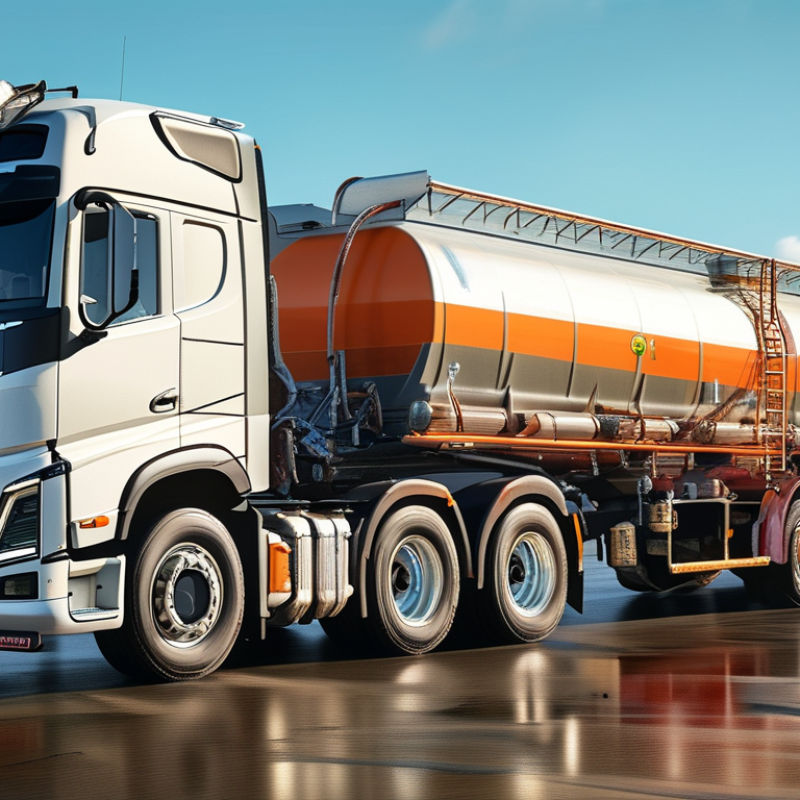
Understanding Different Types of Trailer Tankers Available on the Market
When selecting a trailer tanker, it's essential to understand the different types available. Each type serves a unique purpose and can cater to various needs. Common categories include plastic, aluminum, and stainless steel tankers. Plastic tankers are lightweight and often used for non-hazardous liquids. They offer corrosion resistance but may not withstand extreme temperatures well.
Aluminum tankers are popular for their durability and lightweight design. They are suitable for transporting chemicals and food-grade products. However, they can be prone to dents and require regular inspections for safety. Stainless steel tankers are ideal for high-value cargo. Their robustness and resistance to corrosion make them a top choice for transporting hazardous materials. Still, the initial cost can be quite high.
Understanding these options is vital for making an informed choice. Reflecting on your needs is crucial. Consider load capacity, weight distribution, and intended use. It’s easy to overlook the importance of maintenance and regulatory compliance. Choosing the right tanker involves balancing features with budget constraints. Take the time to evaluate each option carefully.
Assessing Your Specific Transport Needs and Requirements
When selecting a trailer tanker, evaluating your specific transport needs is crucial. Start by understanding the materials you will transport. Are they liquids, gases, or chemicals? Each category demands different tank specifications. For instance, a liquid tanker must have the right lining to prevent contamination. This choice can significantly impact the integrity of the transported materials.
Next, consider the volume and frequency of transport. How much product do you need to move in a week? An overly large tanker can lead to unnecessary costs. Conversely, a smaller one may require frequent trips, impacting efficiency. Reflect on your operational capabilities. Will your current tools handle the new tanker adequately? Evaluate your loading and unloading processes. Flaws in these areas can lead to delays and additional expenses.
Lastly, assess the regulations in your region. Compliance with safety standards is not just a legal requirement; it protects lives. Conduct thorough research on tank specifications and safety features. It can feel overwhelming at times, but ensuring you make informed choices will save you from regret later on. Investing time in this step leads to better outcomes in the long run.
Evaluating Key Features and Specifications of Trailer Tankers
When selecting a trailer tanker, assessing key features is crucial. The tank capacity is a primary consideration. According to industry reports, tankers vary from 1,000 to 9,000 gallons. A larger capacity can mean fewer trips, but it can also lead to higher initial costs. Smaller capacities are easier to maneuver but may not be efficient for bulk transport.
Material is another significant factor. Aluminum and stainless steel are common choices. Aluminum is lighter, allowing for better fuel economy. However, stainless steel provides greater durability and resistance to corrosion. A study by the American Trucking Association highlights that approximately 30% of tanker accidents stem from material failure. Thus, selecting the right material can directly impact safety.
Don’t overlook regulatory compliance. Different regions enforce laws related to transportation and safety standards. Failing to adhere can result in hefty fines and operational delays. Additionally, some tankers come with advanced features like built-in heating or insulation for specific liquids. Close examination of these features can lead to more efficient operations. It's essential to weigh the pros and cons of each specification against your unique needs.
How to Choose the Best Trailer Tanker for Your Needs?
| Feature | Specification | Importance Level |
| Capacity | 10,000 - 40,000 Liters | High |
| Material | Aluminum / Steel | Medium |
| Number of Compartments | Single / Multiple | High |
| Loading & Unloading System | Pump / Gravity | High |
| Safety Features | Emergency Valves & Rollover Protection | Critical |
| Weight | Lightweight vs. Durable | Medium |
| Regulatory Compliance | DOT / EPA Standards | Critical |
| Customization Options | Design & Features Based on Needs | Low |
Considering Budget and Cost-Effectiveness in Your Selection
Choosing the right trailer tanker involves a careful balance between budget and cost-effectiveness. Research indicates that the average budget for a trailer tanker can range from $30,000 to $150,000, depending on size and specifications. This large variance underscores the importance of identifying your specific needs before making a decision.
Cost-effectiveness isn't just about upfront expenses. It is essential to calculate long-term operational costs, which include maintenance, insurance, and fuel efficiency. According to industry experts, a well-maintained tanker can save up to 25% on fuel costs annually. Neglecting these factors may lead to overspending in the long run, highlighting the complexity of tankers' economic impact on your business.
Understanding the total cost of ownership is crucial. Many buyers overlook the fact that lower-priced tankers might require frequent repairs, ultimately driving costs higher. However, investing in a more durable and efficient model often proves to be more economical. Evaluating both purchase price and future expenses ensures a more strategic decision-making process.
Checking Regulatory Compliance and Safety Standards for Trailer Tankers
When selecting a trailer tanker, ensuring compliance with regulatory standards is crucial. Regulations vary by location, and understanding them helps avoid costly fines. Check if the tanker meets local and national safety standards. This includes proper labeling and maintenance records. Regular inspections are vital for maintaining compliance.
Tips: Always ask for documentation that proves compliance. This can include inspection reports and maintenance logs. Don’t skip this step; it’s key to safety.
Safety features are another essential aspect. Look for tankers with reinforced structures and adequate leak detection systems. Non-compliant tankers may seem cheaper initially, but they can lead to severe consequences later. Evaluate the risks associated with transporting different liquids. Ensure your tanker can handle those safely without failure.
Tips: Consider how easy it is to perform safety checks. If a design complicates inspection, it may not be the best choice. Simplicity in maintenance is critical for long-term safety.
Safety Standards Compliance for Trailer Tankers
The chart above illustrates the compliance rates of various safety standards for trailer tankers. Ensuring high compliance rates is crucial for the safety and regulatory adherence of these vehicles.

