How to Choose Screwless Plug-In Terminal Blocks for Your Projects?
Choosing the right components for your projects is crucial. One important element is the Screwless Plug-In Terminal Blocks. These components enhance connectivity and reliability in various applications. Industry expert Dr. Emily Carter states, “Screwless Plug-In Terminal Blocks simplify wiring processes and reduce installation time.” Her insight reflects the significance of these blocks in modern electrical systems.
When selecting Screwless Plug-In Terminal Blocks, consider application requirements. The right block can impact performance and safety. Factors like current rating, voltage, and environmental conditions must align with your project’s needs. While many providers offer certification data, not all meet stringent industry standards. This is where reliability becomes essential.
Be cautious in your selection. Inadequate research may lead to complications. It’s vital to evaluate the manufacturer's reputation and product testing. Look for user reviews and expert opinions. Remember that even small decisions can have major implications in project outcomes. Screwless Plug-In Terminal Blocks should be chosen with care, ensuring they meet both technical and practical demands.
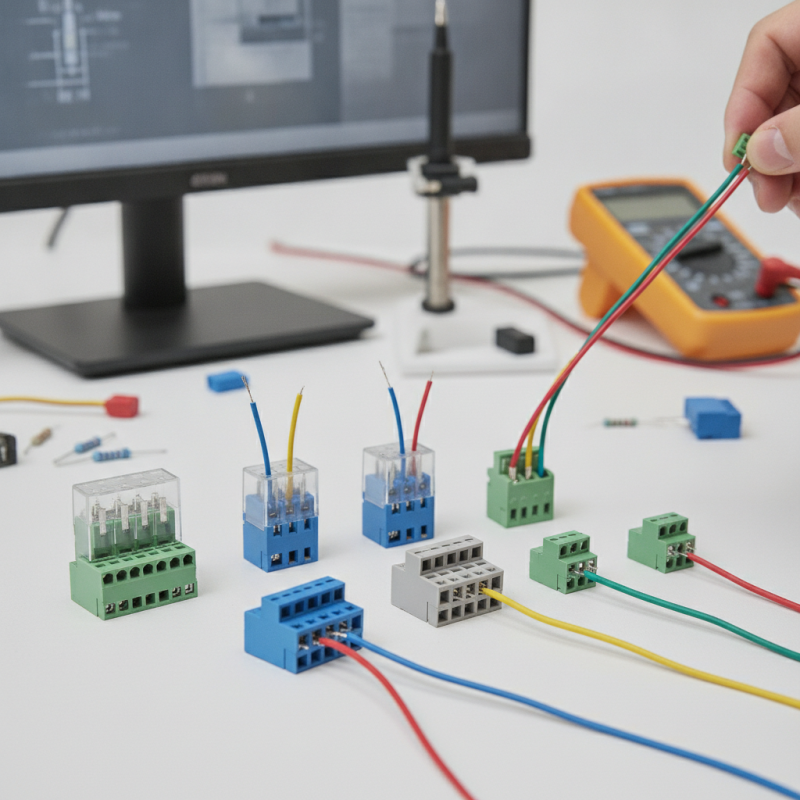
Factors to Consider When Selecting Screwless Plug-In Terminal Blocks
When selecting screwless plug-in terminal blocks, there are several factors to consider. The first is the electrical rating. Choose a block that matches your project's voltage and current requirements. Inspect the specifications carefully. Underestimating these ratings can lead to overheating or failure.
Another critical factor is the type of connection. Screwless terminal blocks often use spring clamps or push-in designs. These can simplify installation, but ensure they provide a secure and reliable connection. A loose connection can cause issues during operation. Pay attention to the wire gauge compatibility. Different blocks support various sizes and types of wires.
Additionally, consider the environment where the terminal blocks will be used. Factors like temperature, humidity, and exposure to chemicals matter. Some terminal blocks are rated for harsh environments. However, if you overlook these conditions, the lifespan of the component may be compromised. Lastly, reflect on the size and mounting options; limited space could restrict your choices. Always assess your project's specific needs to avoid setbacks.
Types of Screwless Plug-In Terminal Blocks Available on the Market
When choosing screwless plug-in terminal blocks, understanding the types available is crucial. There are several varieties, including push-in, spring clamp, and lever terminal blocks. Each type has unique characteristics that cater to specific applications.
Push-in terminal blocks allow wires to be easily inserted without tools, making them ideal for quick connections. They offer speed and convenience, but may not suit heavy-duty applications.
Spring clamp terminal blocks use a spring mechanism to hold the wire securely. This design is reliable and can handle vibrations, making them suitable for industrial settings. They provide good pressure against the wire, ensuring a stable connection. However, installation can be tricky for beginners.
Lever terminal blocks feature a lever mechanism that makes wiring simple. They are user-friendly and allow for fast removal and replacement of wires. These blocks are excellent for projects requiring frequent changes.
Not all screwless blocks are the same. Factors like wire gauge and current capacity affect which type to use. Sometimes an over-engineered solution may not be necessary. Finding the right balance is essential for efficiency and cost-effectiveness. As with any component, reviewing specifications and testing under load are wise practices to avoid pitfalls.
Understanding the Specifications and Ratings of Terminal Blocks
When selecting screwless plug-in terminal blocks, understanding their specifications and ratings is crucial. These components serve as the backbone of electrical connections. They need to accommodate varying wire sizes and types, affecting the compatibility with your project. Pay attention to wire gauge ratings, typically ranging from 24 AWG to 10 AWG. This specification dictates how much current can safely pass through the block.
Consider also the voltage ratings, which vary widely. Common ratings can be 250V or higher. Matching the terminal block voltage to your system prevents failures. Another essential aspect is the temperature rating. Terminal blocks must withstand heat during operation, which impacts long-term reliability.
Material plays a role as well. Understanding the difference between thermoplastic and thermoset materials helps in choosing the right block. Each material has its heat resistance and electrical insulating properties. Reflect on how these factors align with your project needs. Mistakes in these areas can lead to issues like poor connectivity or safety hazards. Always double-check specifications against project requirements to ensure reliability and performance.
How to Choose Screwless Plug-In Terminal Blocks for Your Projects?
| Specification | Value |
| Rated Voltage | 300V |
| Rated Current | 20A |
| Number of Pins | 2 to 12 |
| Wire Gauge | AWG 24 - 12 |
| Material | Polycarbonate |
| Temperature Rating | -40°C to 105°C |
| Mounting Type | PCB Mount |
| Insulation Resistance | ≥ 500 MΩ |
Installation Tips for Screwless Plug-In Terminal Blocks in Projects
When it comes to using screwless plug-in terminal blocks, understanding the installation process is key. These components can simplify connections and help save time. However, improper installation can lead to significant issues.
One crucial tip is to ensure that the wires are stripped correctly. A wire that is not stripped enough may not make a solid connection. Likewise, if stripped too much, it could cause short circuits. Take your time to measure the correct length before insertion. A common mistake is rushing through this step.
Another consideration is to keep an organized workspace. Cables can easily get tangled, leading to confusing connections. Color-coding your wires can help you keep track of them easily. Ensure that your work area is well-lit. A poorly lit environment can cause errors that can be detrimental.
Finally, consider periodic testing after installation. Sometimes, connections may seem solid but can fail under stress. Testing ensures that all connections are secure and functioning as intended. Don't ignore this step, as it can save you from troubleshooting challenging issues later on.
Best Practices for Maintaining and Troubleshooting Terminal Blocks
When maintaining screwless plug-in terminal blocks, it’s vital to check connections regularly. Poor connections may lead to device failures. Keep an eye out for signs of wear, corrosion, or damage. These indicators often signal that a replacement is necessary to ensure safety and functionality.
Tips: Always tighten connections properly. Loose connections can cause heat buildup, leading to eventual failure. Testing each connection with a multimeter can help identify weak spots.
When troubleshooting, investigate the wiring process. Incorrectly wired blocks can lead to short circuits. Review your wiring diagrams carefully. Re-check terminals for proper placement and contact.
Tips: Document your wiring setup. This practice greatly simplifies any future troubleshooting efforts. Remember, a clean workspace helps prevent mistakes. Dust and debris can interfere with connections.

