How to Choose the Right PVC Extrusions for Your Project?
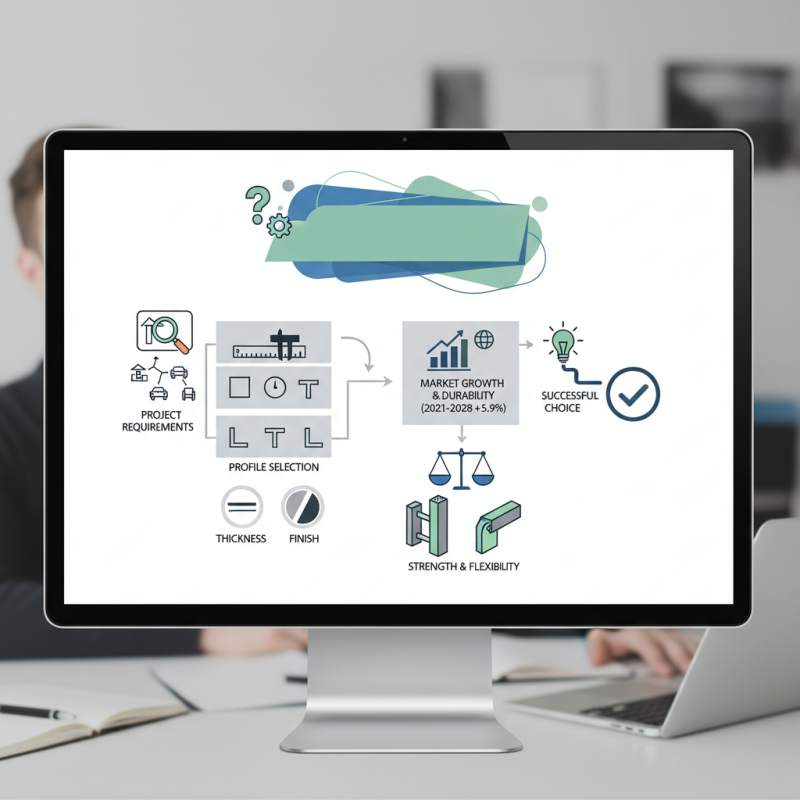
Choosing the right PVC extrusions for your project can be a daunting task. The PVC extrusion market has seen significant growth, with a projected increase of 5.9% annually from 2021 to 2028, according to a report by Grand View Research. This growth signifies that many industries are leaning towards PVC extrusions for their durability and versatility.
Experts agree that selecting the right profile is crucial. "Understanding your project's specific requirements is key to making the best choice in PVC extrusions," says John Smith, a leading expert in the field. Little details can make a big difference, whether it’s thickness or finish.
However, not all PVC extrusions are created equal. Some might lack strength or flexibility for certain applications. It's a common mistake to overlook these factors. Taking the time to assess your needs can lead to greater success. When you know what to look for, the right PVC extrusions become clearer.
Understanding the Basics of PVC Extrusions
PVC extrusions are versatile materials used in various industries. Understanding their basics is crucial for selecting the right type for your project. These extrusions are made from polyvinyl chloride, a strong yet lightweight plastic. They come in various shapes, sizes, and colors, making them suitable for different applications. Knowing the properties of PVC helps in making informed choices.
Different projects require different types of PVC. For instance, you might need rigid extrusions for structural applications or flexible ones for seals and gaskets. Consider climate factors too. PVC can become brittle in extreme cold or lose shape in high heat. Always assess the environment where the product will be used. It’s easy to overlook these details, which can lead to unexpected challenges later.
There is also the issue of aesthetics versus functionality. Some may prioritize appearance when selecting colors or finishes. But a focus solely on looks can compromise performance. It's essential to balance the visual appeal with the practical requirements of your project. Even a minor oversight in your selection process can result in significant setbacks. Reflecting on these elements can guide you in making better choices.
Comparison of PVC Extrusion Types
This chart compares the weight per linear meter of different types of PVC extrusions, which can help you make informed decisions for your project. Understanding these variations can aid in selecting the right PVC extrusion suitable for various applications.
Identifying Your Project Requirements
When starting a project that involves PVC extrusions, it's crucial to identify your specific requirements. Begin by assessing the environment where the extrusions will be used. Will they be exposed to harsh weather conditions or chemicals? This detail influences the type of PVC material you should consider.
Next, think about the dimensions and shapes you need. Custom shapes might seem appealing but can lead to delays and added costs. It's often easier to choose standard profiles. While standard options may not fit perfectly, they can reduce complications. Don’t forget to factor in color and finish as well. Some projects benefit from a sleek, polished look while others may need a more rugged appearance.
Consider the functionality too. What purpose do the extrusions serve? They could be structural, decorative, or protective. Often, projects evolve, and requirements shift. This means you may have to adjust your choices as you go. Recognizing this flexibility early can save frustrations later. Evaluating your project comprehensively will lead to better decisions.
How to Choose the Right PVC Extrusions for Your Project? - Identifying Your Project Requirements
| Dimension |
Weight (lbs/ft) |
Color Options |
Application Type |
Typical Uses |
| 1 inch x 1 inch |
0.2 |
White, Black |
General Construction |
Frames, Lightweight Structures |
| 2 inch x 2 inch |
0.4 |
White, Gray |
Industrial Applications |
Support Structures, Railings |
| 4 inch x 4 inch |
1.0 |
Brown, Black |
Heavy Duty |
Fencing, Large Frames |
| 6 inch x 6 inch |
1.5 |
White, Beige |
Commercial Use |
Signage, Large Displays |
| 8 inch x 8 inch |
2.0 |
Custom Colors |
Specialty Projects |
Theater Sets, Event Structures |
Types of PVC Extrusions and Their Applications
When considering PVC extrusions, it’s essential to know the types available. Different projects require specific shapes and sizes of PVC. Common types include profiles, tubes, and sheets. Each type serves various applications. For instance, profiles are often found in window frames and door fittings. They provide structural support and insulation.
Tubes are versatile and used in plumbing and electrical conduits. Sheets are frequently employed in signage and protective coverings.
Choosing the right extrusion depends on your project's needs. It's not always straightforward. You might find a great price but question the quality. Thinner or flimsy extrusions may not withstand harsh conditions. There are examples where an unsuitable thickness led to failures down the line.
Always consider the environment where the product will be used. Outdoor projects need UV-resistant options. Think about functionality alongside aesthetics. A visually appealing extrusion might not perform as expected. Be clear on your requirements before making a decision.
Evaluating Quality and Durability of PVC Extrusions
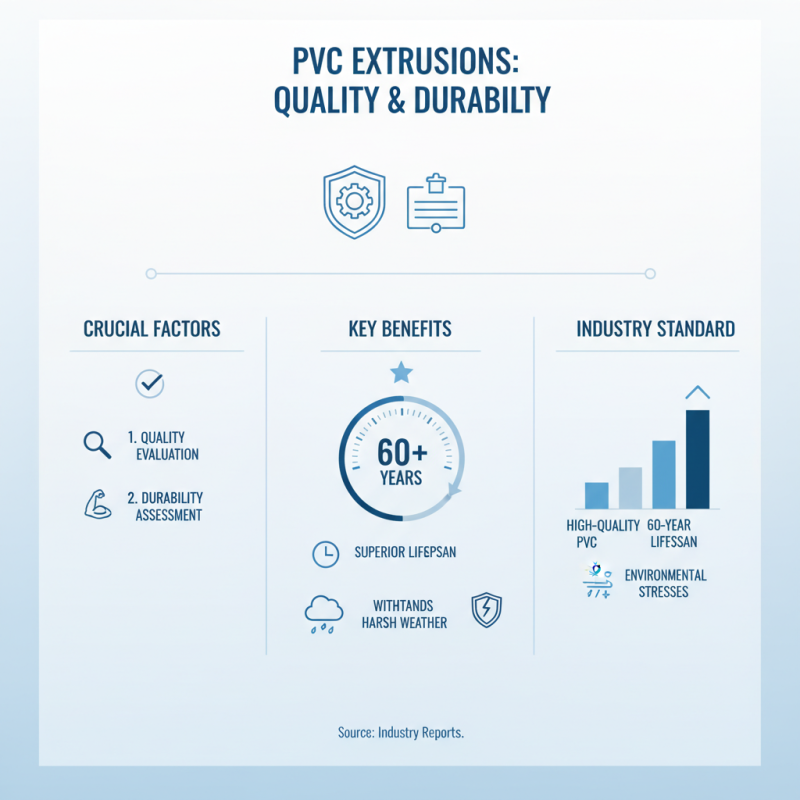
When selecting PVC extrusions for your project, evaluating quality and durability is crucial. According to industry reports, high-quality PVC can withstand various environmental stresses. For instance, PVC products rated with a minimum 60 years of lifespan often demonstrate superior impact resistance. This is essential for applications exposed to harsh weather.
Tips: Always check the impact resistance rating. A rating of 4.6 or higher on the Charpy test is generally a good sign.
Durability is often affected by additives used in the production of PVC. Some manufacturers may cut costs but compromise on quality. Beware of extrusions that appear too lightweight. They may indicate poor structural integrity. Review certifications, like ASTM or ISO standards, to ensure compliance with durability benchmarks.
Tips: Look for extrusions with UV stabilizers. This can help in reducing discoloration and degradation over time. Remember, not all PVC is created equal, so take a close look.
Choosing the Right Supplier for Your PVC Extrusions
Choosing the right supplier for your PVC extrusions is crucial. A reliable supplier can impact your project's success. Look for a company with a solid reputation in the market. Ask for references or reviews from other customers. This gives you insight into their reliability and quality.
Consider the supplier’s experience in the industry. Have they worked on similar projects? Their expertise can help avoid potential pitfalls. Check their manufacturing capabilities as well. Can they produce the sizes and designs you need? A supplier with flexible options can cater to your specific requirements.
Communication is key in any supplier relationship. Ensure they are responsive and open to discussions. This will help address any issues or concerns early on. Evaluate their sustainability practices as well. Suppliers committed to environmental responsibility can enhance your project's image. Remember, not every supplier fits every project; it’s essential to find the right match for your needs.