How to Choose the Right Plastic Channel for Your Wiring Needs
When selecting the appropriate plastic channel for your wiring needs, it is essential to understand the wide range of options available in the market today. According to a report by Grand View Research, the global cable management market, which includes plastic channels, is expected to reach
USD 62.2 billion by 2025. This growth underscores the increasing demand for efficient and organized wiring solutions in both residential and commercial applications.
Plastic channels not only facilitate the safe routing of electrical wiring but also provide protection against environmental factors and accidental damage.
Moreover, a study conducted by MarketsandMarkets highlights that the demand for
eco-friendly and cost-effective solutions is driving innovation in the design and manufacturing of plastic channels. Features such as UV resistance,
fire retardance, and ease of installation have become critical factors for consumers when choosing a plastic channel. Understanding these features, along with considerations such as size, load capacity,
and compliance with safety standards, is crucial for selecting the right product that meets both functional and regulatory requirements. This comprehensive approach will ensure that your wiring not only remains well-organized but also adheres to the necessary safety protocols.
Understanding Different Types of Plastic Channels for Wiring Solutions
When selecting the right plastic channel for wiring solutions, it's essential to understand the various types available on the market, each designed to meet specific needs. Common plastic channels include raceways, cable conduits, and duct systems, which vary in size, shape, and material composition.
According to a report by Markets and Markets, the global wire and cable management market is expected to reach $9.44 billion by 2026, highlighting the growing importance of effective wiring solutions in various industries.
Tips: When assessing plastic channels, consider factors such as the environment they will be used in, the volume of wires to be managed, and compliance with local electrical codes. For outdoor applications, UV-resistant materials are essential to prevent degradation from sunlight exposure. Additionally, ensure that the chosen channel has adequate space for heat dissipation, as overheating can lead to insulation failure.
Understanding features like flexibility and ease of installation can further streamline your wiring processes. For instance, snap-on covers can make access for maintenance or upgrades much more convenient. A survey from the Electrical Contractors Association shows that an overwhelming 75% of professionals prefer channels that offer quick installation features, emphasizing their importance in efficient project management.
Key Considerations When Selecting Plastic Channels for Electrical Systems
When selecting plastic channels for electrical systems, several key considerations should guide your decision-making process. First, it's essential to evaluate the size and shape of the wires that will be housed within the channel. Ensuring that the channel provides adequate space not only facilitates easy installation but also minimizes the risk of overheating due to insufficient airflow. Common channel sizes vary, so it’s crucial to match them with your specific wiring dimensions.
Another critical factor is the material's durability and environmental resistance. Plastic channels come in various grades, which offer different levels of protection against chemicals, UV radiation, and physical stress. Choosing a high-quality, UV-stabilized plastic can extend the lifespan of the channels, especially if they will be exposed to sunlight or harsh conditions. Additionally, consider whether the plastic is flame retardant, which enhances safety in electrical applications. Balancing these considerations will ensure optimal performance and longevity in your wiring systems.
How to Choose the Right Plastic Channel for Your Wiring Needs
| Channel Type |
Material |
Size (Width x Height) |
Temperature Rating |
Applications |
Key Features |
| Slotted Channel |
PVC |
2" x 2" |
-20°C to 60°C |
Cable Management |
Lightweight, Easy Installation |
| Closed Channel |
Polycarbonate |
4" x 4" |
-40°C to 90°C |
Industrial Applications |
Impact Resistant, UV Stable |
| Surface-Mounted Channel |
ABS |
3" x 2" |
-20°C to 80°C |
Home Wiring |
Aesthetic Finish, Versatile Use |
| Raceway |
PVC |
1.5" x 1.5" |
-10°C to 70°C |
Commercial Buildings |
Modular Design, Compatible with Accessories |
Benefits of Using Plastic Channels Over Traditional Wiring Methods

When considering wiring solutions, plastic channels have emerged as a superior choice over traditional methods. According to a recent report by the National Electrical Manufacturers Association (NEMA), the use of plastic raceways can reduce installation time by up to 30%. This is significant for both commercial and residential projects, as it allows for quicker deployment without compromising on safety or efficiency.
One of the primary benefits of plastic channels is their durability and resistance to environmental factors. A study published in the Journal of Building and Environment indicated that installations utilizing plastic raceways had a lower incidence of damage from moisture and corrosion, particularly in coastal regions. Furthermore, plastic channels are non-conductive, reducing the risk of electrical faults, which can lead to significant long-term savings in maintenance costs. In fact, maintenance expenses can be reduced by as much as 20% when using these advanced systems compared to traditional metal conduits. These advantages make plastic channels an increasingly popular choice in modern wiring applications, aligning with evolving industry demands for safety and efficiency.
How to Properly Install Plastic Wiring Channels for Optimal Performance
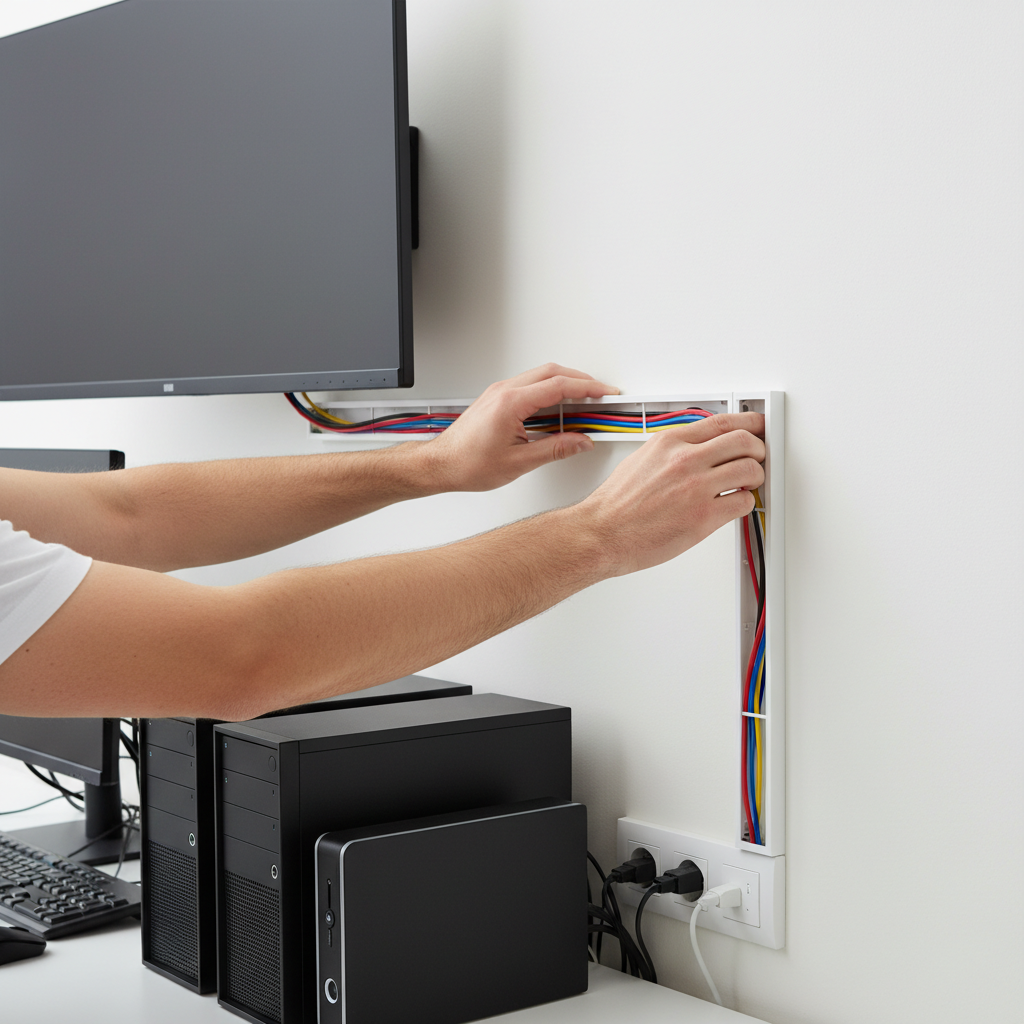
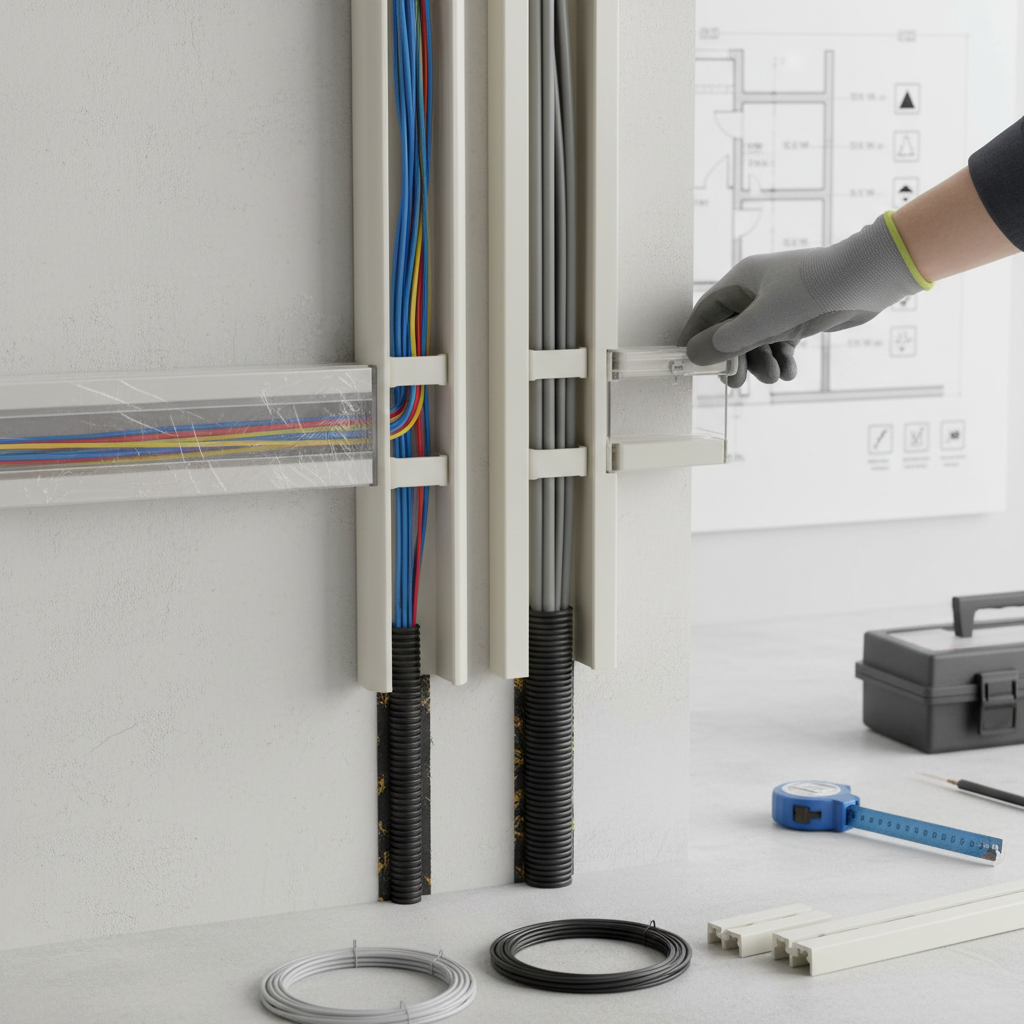
When installing plastic wiring channels, proper techniques are essential for ensuring optimal performance and longevity. Recent
industry reports indicate that the correct installation of wiring channels can improve
cable organization and reduce the risk of damage to electrical lines, contributing to safer and more efficient installations.
For instance, utilizing adhesive-backed channels can streamline the installation process
by eliminating the need for drilling, which not only saves time but also preserves the aesthetics of the installation area.
Moreover, it is crucial to consider factors such as the channel's size and material. A report highlighted that using the
appropriate sizing according to the cable volume can enhance airflow and prevent
overheating, which is vital for performance in high-tech environments. Additionally, channels with
UV protection offer extended life spans, especially in outdoor applications where exposure
to sunlight can degrade materials over time. To ensure maximum effectiveness, always follow the
manufacturer's guidelines and best practices for installation, which have been
shown to result in a 30% increase in customer satisfaction regarding wiring setups.
Common Mistakes to Avoid When Choosing Plastic Channels for Wiring
When selecting the right plastic channel for your wiring needs, it’s crucial to avoid common mistakes that can lead to inefficiency and safety hazards. One major mistake is not considering the channel’s material compatibility with the wires being used. Different plastics have varying thermal and chemical resistance levels, so choosing a channel that can withstand the specific conditions it will be exposed to is essential. Always check the specifications to ensure the plastic can handle the heat generated by your wires or any potential exposure to harsh chemicals.
Another common pitfall is disregarding the size and capacity of the plastic channel. Many users underestimate the amount of wiring they need to accommodate, leading to overcrowded channels that can pose fire risks or reduce functionality. When planning your project, always take into account the total volume of wires and leave space for any future expansions. This foresight can prevent costly and potentially dangerous mistakes after installation. By being mindful of these considerations, you can ensure a safer and more efficient wiring system.