Top Tips for Choosing Eco Friendly Bikes for Every Budget?
Choosing the right eco-friendly bikes can be overwhelming, especially with so many options on the market today. According to John Smith, an expert in sustainable transportation, “Investing in eco-friendly bikes benefits both our planet and our well-being.” His insights underline the importance of making thoughtful choices in eco-friendly biking.
Eco-friendly bikes come in various styles and price points. From budget-friendly models to high-end brands, there is something for everyone. Understanding materials and manufacturing processes is crucial for discerning consumers. Many bikes utilize recycled materials, reducing environmental impact. Additionally, some brands focus on sustainable practices throughout their supply chains.
However, not all eco-friendly bikes are created equal. Some might look appealing but lack durability or comfort. It's essential to research and test ride to find a bike that suits your needs. Reflecting on potential compromises, consumers may realize that price does not always equate to quality. Prioritizing features such as weight, gear systems, and warranty can lead to a more satisfying purchase.
Understanding Eco-Friendly Bikes: Key Features to Consider
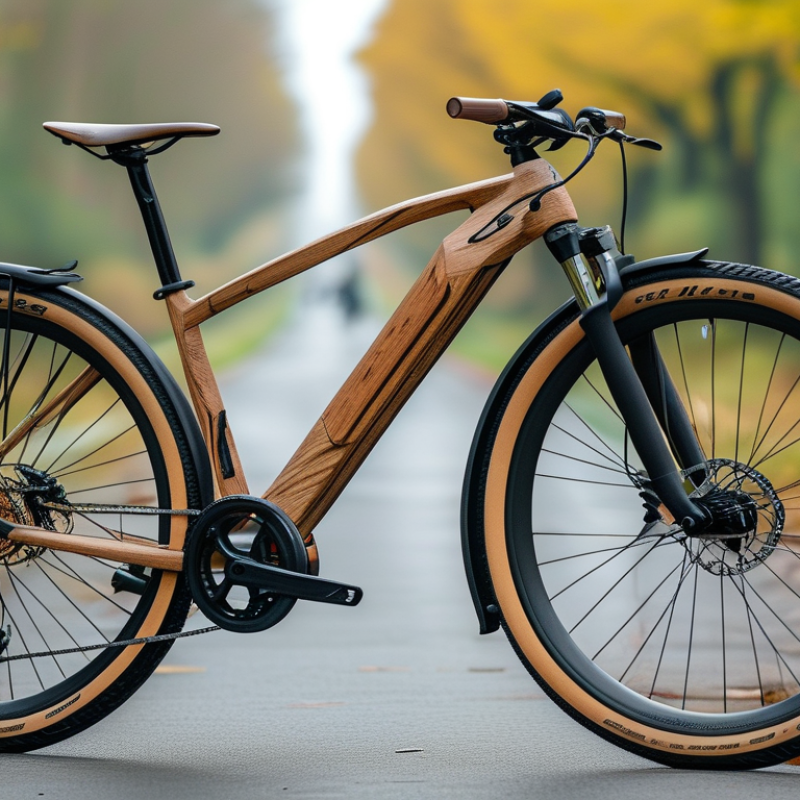
When choosing eco-friendly bikes, several key features require attention. The type of materials used in construction plays a pivotal role. Many manufacturers now utilize sustainable materials like bamboo or recycled aluminum. According to the World Bicycle Industry report, around 20% of bicycles are now made with eco-friendly materials. This shift not only benefits the environment but also enhances durability.
Another critical factor is the bike's energy efficiency. Electric bikes, for instance, often come with regenerative braking systems. These systems allow for energy recovery during rides, increasing overall efficiency. A 2022 study indicated that e-bikes reduce carbon emissions by approximately 50% compared to traditional commuting methods. However, their production still generates some environmental impact, prompting the need for sustainable production processes.
Additionally, consider the life cycle of the bike. A longer-lasting bike means fewer replacements over time, resulting in reduced waste. Many bikes are designed for easy repair and maintenance, extending their lifespan. Despite these advancements, some bikes are still difficult to repair or lack parts, raising concerns about accessibility. Consumers should weigh these factors thoughtfully to ensure they make a sustainable choice.
Top Tips for Choosing Eco-Friendly Bikes for Every Budget
This chart represents different types of eco-friendly bikes and their average prices in different categories. The categories include budget, mid-range, and premium bikes, highlighting features that affect pricing.
Assessing Your Budget: Finding Affordable Eco-Friendly Options
When looking for eco-friendly bikes, the budget is often a primary concern. Evaluate your financial situation before making a purchase. Set a clear range that you are comfortable with. This will help narrow down options efficiently. Many affordable choices can meet eco-friendly standards without breaking the bank.
Consider different types of bikes. For instance, hybrid bikes often provide a blend of performance and comfort. They can be a solid choice for daily commuting. Additionally, explore used bikes. A second-hand purchase can save money while contributing to sustainability. However, ensure the bike is in good condition before buying.
Research local shops and online marketplaces. Prices can vary significantly across different sellers. While some bikes boast expensive features, simpler models can still be green without the high cost. Remember, a bike’s eco-friendliness also depends on how you use it. Each commute can reduce your carbon footprint, regardless of the bike's price. Think critically about what you truly need versus what looks fancy. This reflection can lead you to a more practical and eco-conscious decision.
Top Tips for Choosing Eco Friendly Bikes for Every Budget
| Bike Type | Price Range | Key Features | Ideal For |
| City Bike | $300 - $600 | Lightweight, fenders, rack included | Urban commuting |
| Mountain Bike | $400 - $800 | Robust tires, shock absorbers, gear systems | Off-road adventures |
| Folding Bike | $250 - $500 | Compact, easy to store, portable | Limited space, public transport users |
| Electric Bike | $700 - $3000 | Pedal assist, longer range, fast charging | Commuters needing extra support |
| Cruiser Bike | $300 - $700 | Comfortable seat, stylish design, easy handling | Leisure rides, casual use |
Materials Matter: Sustainable Components for Environmentally Friendly Bikes
Choosing an eco-friendly bike starts with the materials used in its construction. Sustainable components can significantly impact the bike's environmental footprint. Bamboo is a popular choice. It grows quickly and absorbs carbon dioxide effectively. Bikes made from bamboo are lightweight and durable. Using hemp for the bike's frame and accessories is another interesting option. Hemp is low-maintenance and requires minimal water and pesticides to grow.
Another critical aspect is the type of steel used. High-quality steel allows for recycling and longevity. Recycled aluminum is also a great choice. It reduces waste and saves energy during production. The rubber used for tires can be sourced from sustainable sources, helping to minimize environmental harm. A focus on biodegradable materials for the grips and seat can further enhance sustainability.
However, not all eco-friendly materials perform equally well. Some may wear out faster than synthetic options, requiring more frequent replacements. It is crucial for buyers to assess long-term costs versus initial savings. Researching various options and seeking expert advice can help make informed choices. Ultimately, balancing sustainability with performance remains a key challenge.
Comparing Types of Eco-Friendly Bikes: Choosing the Right Style for You
When selecting an eco-friendly bike, consider the various types available. Electric bikes (e-bikes) are popular for their convenience. A report from the European Cyclists' Federation states that e-bike sales surged by 30% in 2020. This trend reflects a growing interest in biking as an alternative to cars. E-bikes are great for long distances and steep terrains. However, they can be more expensive to maintain.
Traditional bicycles remain a classic choice. They require no electricity, which reduces costs over time. According to a survey by People for Bikes, 70% of cyclists prefer standard bikes for city commuting. These bikes encourage physical fitness and reduce carbon footprints. Yet, urban areas may not always be bike-friendly, leading to safety concerns.
Finally, folding bikes offer a practical solution for limited spaces. They are lightweight and easy to store. A study found that 40% of city dwellers opt for folding bikes to navigate crowded environments. However, their smaller wheels can make rides less stable on rough terrain. It's essential to evaluate your needs before making a decision. Each bike type has its pros and cons, always remember to reflect on what best suits your lifestyle.
Where to Buy: Best Sources for Eco-Friendly Bikes Across Different Budgets
When looking for eco-friendly bikes, identify reliable sources that cater to different budgets. A recent report by the Environmental Protection Agency (EPA) shows that bicycles produce no emissions during use, making them an excellent green alternative. Retailers specializing in sustainable products offer various options suitable for beginners to serious riders. Online platforms often feature detailed specifications, helping you make informed decisions.
Local bike shops remain a valuable resource. They provide personal service and in-depth knowledge. According to a study by the National Bicycle Dealers Association, consumers who shop at local stores tend to feel more satisfied. Engaging with staff can uncover unique models made from sustainable materials. They often share insights into the production process, ensuring a responsible purchase.
It’s crucial to evaluate the durability and sustainability of the materials used. Many bikes in lower price ranges may sacrifice quality for cost. This can lead to increased waste and replacement over time. A mix of eco-friendly manufacturing and affordability should guide your choice. Understanding where and how bikes are made will enhance your shopping experience and commitment to sustainability.

