How to Choose the Best Riding Mower Rake for Your Lawn?
Choosing the best Riding Mower Rake for your lawn can feel overwhelming. With so many options available, each suited for different needs, making the right choice is crucial. Landscaping expert John Smith emphasizes, "A quality Riding Mower Rake can transform your lawn maintenance routine, but selecting the right one is key." This expert insight highlights the importance of understanding your lawn's specific requirements.
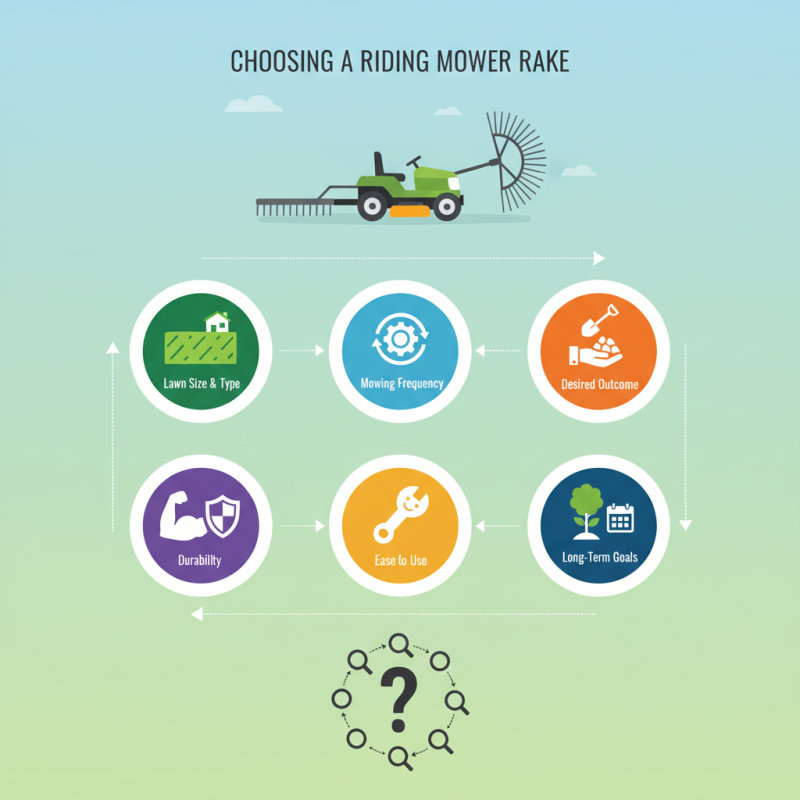
When considering a Riding Mower Rake, think about your lawn size and type. Each rake model offers unique features that cater to various terrains. It's important to assess your mowing frequency and desired outcome. Brands vary significantly in reliability and effectiveness. Researching user reviews can provide valuable insights into what works best.
Don’t overlook essential aspects, such as durability and ease of use. A rake that isn’t user-friendly can lead to frustration. Moreover, it’s wise to reflect on your long-term landscaping goals. What seems perfect today might become unsuitable in a year. Taking these factors into account will help ensure you choose the right Riding Mower Rake for your lawn's needs.
Factors to Consider When Selecting a Riding Mower Rake for Your Lawn
When selecting a riding mower rake for your lawn, consider the size of your yard. If you have a big lawn, a wider rake will save you time. Smaller lawns may benefit from more compact models. Pay attention to the rake's design. Curved rakes can gather more debris, while straight rakes offer better ground clearance. You might want to test them to see how they handle in your specific conditions.
Next, weigh the materials used in the rake's construction. Sturdy metal rakes provide durability but can be heavier. Lighter plastic options may be easier to maneuver, but they might not withstand heavy use. Think about your own comfort when using the rake. Adjustable handles and ergonomic designs can make a significant difference in ease of use.
Keep in mind, not every rake will work perfectly for every lawn situation. You may encounter issues with efficiency or debris collection. It's worth investing time in finding the right match. Test different models and be aware of how they fit into your lawn care routine. A well-chosen rake can greatly enhance your lawn maintenance experience.
How to Choose the Best Riding Mower Rake for Your Lawn?
| Feature | Description | Importance |
| Width of Rake | The width of the rake affects how fast and efficient you can clear large areas of lawn. | High |
| Material | Rakes can be made from steel or plastic; steel is more durable while plastic is lighter. | Medium |
| Adjustability | Some rakes allow for height adjustment, which is important for varying terrain. | High |
| Weight | The weight of the rake impacts both ease of use and durability. | Medium |
| Price | Budget is important; choose a rake that offers the best value within your price range. | High |
| Ease of Attachment | Tools should be easily attachable/detachable from your riding mower for convenience. | Medium |
Understanding Lawn Size and Terrain for Optimal Rake Choice
When choosing the best riding mower rake for your lawn, understanding the size and terrain of your property is crucial. A report by the National Association of Landscape Professionals highlights that over 50% of homeowners underestimate the impact of terrain type on landscaping needs. If your lawn has hills or uneven ground, a lightweight rake with adjustable height can help navigate these challenges effectively.
For larger lawns, particularly those exceeding half an acre, opting for a rake that can effectively cover more ground is essential. Research indicates that rakes designed for larger areas can reduce the time spent on yard work by nearly 30%. However, many homeowners ignore the width and weight of the rake, which can significantly affect maneuverability. If a heavier rake is chosen without considering the terrain, it can lead to fatigue and inefficient work.
It's important to consider the specific type of material in your yard. A rocky or heavily wooded area may require a sturdier rake. Conversely, softer soils benefit from lighter rakes to avoid damaging the surface. During the selection process, keep in mind that each lawn is unique. Some features might work for one lawn but not for another, emphasizing the need for tailored choices based on individual circumstances.
Material Types: Comparing Steel, Aluminum, and Plastic Rakes
When choosing a rake for your riding mower, consider the material types available. Steel rakes are strong and durable. They withstand heavy use and harsh conditions. However, they can be heavier, which makes handling more challenging. Maintenance is essential, as steel can rust without proper care. Think about whether the strength is a priority for your lawn tasks.
Aluminum rakes offer a balance between weight and durability. They are lighter than steel, making them easier to maneuver. Aluminum rakes won’t rust, which can save time on upkeep. However, they might not be as strong as steel alternatives. You’ll want to inspect them for sturdiness if you have tough lawn jobs.
Plastic rakes are lightweight and typically the least expensive option. They are easy to use and ideal for small tasks like leaves or grass clippings. However, plastic may not last as long under heavy use. Some users find that they bend or break easily. Understanding these details helps you make an informed choice for your mower rake.
Evaluating Rake Size and Weight for Your Riding Mower Compatibility
When choosing a riding mower rake, size and weight matter significantly. A rake too large can hinder maneuverability. On the other hand, a smaller rake may not effectively cover your lawn. Assessing the dimensions of your lawn is crucial. Measure narrow pathways and dense areas to ensure compatibility with your chosen rake.
Weight impacts both performance and ease of use. Heavier rakes can be challenging to attach and detach from your mower. Lighter options are generally easier to handle but may lack durability. Consider the materials used in construction. Sometimes, a heavier metal rake comes with better longevity, which could be a worthwhile trade-off.
User reviews can express various experiences. Some may find lighter rakes easier to manage but less effective in heavy debris. Others might struggle with a heavy rake but appreciate its sturdiness. Balancing your physical strength with the demands of your lawn will guide you toward the best option.
Analyzing Cost vs. Durability: Making an Informed Investment in Lawn Tools
Choosing the right riding mower rake is essential for a healthy lawn. Price and durability should be your primary focus. Durable tools save you money in the long run. However, lower-cost options can seem tempting. Often, these cheaper rakes wear out quickly, leading to frequent replacements. This isn’t always budget-friendly.
When analyzing options, consider materials used in construction. Steel may offer longevity, while plastic can be lightweight and easy to maneuver. Think about your lawn size. A larger space requires more robust equipment. A reliable choice might endure years of use, making it a wise investment.
Tips for choosing wisely: Check customer reviews to gauge durability. Ask professionals for recommendations. Test the rake’s weight and grip before purchasing. A comfortable handle can greatly affect your experience. Reflect on the rake’s versatility; can it handle different tasks? Not all rakes are designed equally. Remember, investing in quality will reduce future frustrations.

