How to Choose the Best DC Power Inverter for Your Needs?
Choosing the right DC Power Inverter for your needs can be challenging. According to Mark Johnson, an industry expert with over 20 years of experience, "Selecting an inverter requires understanding your specific power requirements." His insight reflects the importance of making an informed decision in today’s market.
The DC Power Inverter industry offers a variety of options. Each type comes with its own specifications and features. For instance, some models focus on efficiency, while others prioritize portability. Potential buyers often overlook these nuances. Without a clear understanding, mistakes can happen. You might choose an inverter that doesn’t meet your needs.
Consider your power requirements carefully. Determine the devices you plan to run. This will guide you toward the right choice. Remember, just because an inverter looks powerful doesn’t mean it's the best fit. Reflect on your unique situation, and seek expert advice if needed. A well-informed choice can lead to improved performance and satisfaction with your DC Power Inverter.
Understanding the Basics of DC Power Inverters
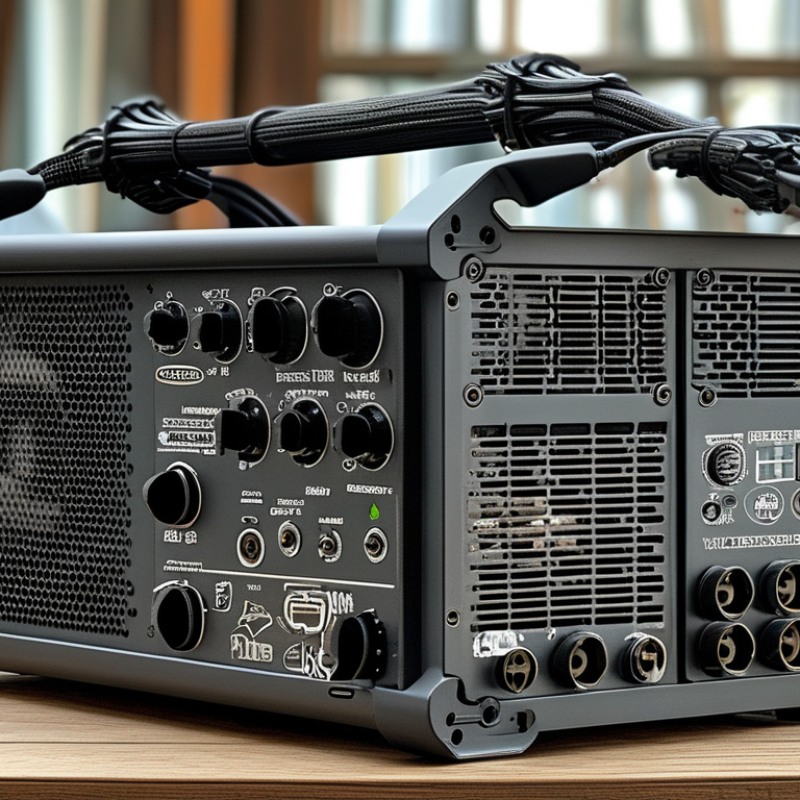
DC power inverters are essential devices that convert direct current (DC) from batteries into alternating current (AC). Understanding their functionality is crucial for making informed decisions. A high-quality inverter can power various devices, from small electronics to larger appliances. The key is knowing your power needs. Calculate the total wattage of devices you wish to run. If you plan to power multiple devices, be conservative with your estimates.
The technology behind inverters can vary. Different models offer varying features, such as the number of outlets, USB ports, and safety mechanisms. Look for built-in protections against overloads and short circuits. Pay attention to inverter types, like pure sine wave and modified sine wave. Pure sine wave inverters produce clean energy suited for sensitive electronics. However, they can be more expensive.
Choosing the right inverter may seem straightforward, but mistakes can happen. Errors in power calculations can lead to device failures or insufficient power supply. Research is critical. Read reviews and seek advice from trusted sources. Consulting with knowledgeable professionals can help clarify doubts. Remember, your needs may change over time. Be open to reassessing your choices as you acquire new devices.
Identifying Your Power Needs and Requirements
When selecting a DC power inverter, understanding your power needs is crucial. Assess the devices you plan to power. Calculate total wattage by adding the wattage of each device. This will help you determine the inverter capacity required. Consider the continuous and peak wattage specifications. Ensure your inverter can handle surge loads during device startup.
Tips: Always account for additional devices. You might need to power more than you initially planned. It's smart to add a buffer. This ensures your inverter runs efficiently without strain.
Next, think about portability and usage scenarios. If you're using the inverter in a vehicle, size and weight matter. A compact model can save space. If using at home, larger inverters offer more power but may need a dedicated space. Reflect on your specific usage frequency. Will it be a one-off event or regular use? These considerations impact your decision significantly.
Power Requirements for Different Applications
Evaluating Types of DC Power Inverters Available
When selecting a DC power inverter, it’s crucial to understand the types available on the market. These inverters convert DC power into AC power, making them essential for various applications. The main types include pure sine wave and modified sine wave inverters. Pure sine wave inverters produce a smooth, consistent flow of electricity. This type is ideal for sensitive electronics. However, they tend to be more expensive.
In contrast, modified sine wave inverters create a choppy waveform. They work well for simple devices but may not be suitable for high-end electronics. Their lower cost can be appealing, yet this type can lead to inefficiencies. Users might face potential issues with noise or heating. Understanding the needs of your devices is vital before making a decision.
Another important consideration is the inverter's power rating, typically measured in watts. Assess the combined wattage of your appliances to avoid overloading the unit. A common mistake is underestimating this requirement, leading to system failures or equipment damage. Users should reflect on their unique needs to choose wisely.
Key Features to Consider When Selecting an Inverter
Choosing a DC power inverter involves understanding key features that affect performance and usability. Power capacity is crucial; it must match your devices' requirements. Calculate the total wattage of all equipment you plan to use. If you select an inverter with insufficient capacity, it may fail during operation. This can lead to frustration and potential damage to your devices.
Efficiency is another vital aspect. A higher efficiency rating means less energy waste. Look for inverters that offer over 90% efficiency. Consider the inverter’s waveform type as well.
Pure sine wave inverters are better for sensitive electronics, providing cleaner power. Modified sine wave inverters are cheaper but may not work well with all devices.
Additionally, check the inverter's safety features. Overload protection, short circuit protection, and thermal shutdown are essential. These features can help prevent accidents and prolong the inverter’s lifespan. While aesthetics might seem less important, a compact design can be more practical in limited spaces. Reflect on how these factors align with your needs. Finding balance can sometimes feel overwhelming, but it will enhance your experience.
Comparing Brands and Prices for the Best Value
Choosing the right DC power inverter can be challenging. With so many brands and options, it’s easy to feel overwhelmed. When comparing brands, focus on reliability and efficiency. Check user reviews and ratings for real-world insights. Look for inverters that offer a good combination of price and features.
Tips: Always consider the wattage you need. Calculate the total power consumption of your devices. This helps determine the inverter size. Price can vary drastically. Sometimes, higher price tags do not guarantee better performance. Be cautious of low-cost options; they may not last long.
Researching product specifications is vital. Compare warranties and customer support services too. Some brands offer extensive support and resources, which can be invaluable in the long run. Remember, investing time in selecting the right inverter can save you money and hassle later. Always keep your specific requirements in mind as you explore your options.

