Why Choose Plastic Tubing for Your Next Project?
When considering materials for your next project, plastic tubing presents an excellent choice. Industry expert Dr. Emily Hart, a specialist in polymer science, once stated, "Plastic tubing combines flexibility with durability, making it ideal for various applications." This simple yet effective material serves roles in plumbing, manufacturing, and even medical fields.
Plastic tubing is lightweight and easy to handle, which can streamline your project. Its versatility allows it to adapt to different needs, yet some may overlook its limitations. Careful consideration is needed when selecting the right type of plastic for specific tasks. Some might find that not all plastic tubing meets high standards for safety or performance.
Choosing plastic tubing may seem straightforward, but it requires a thoughtful approach. While it holds many advantages, challenges exist. It’s essential to reflect on how well plastic tubing fits your project goals. Balancing cost, availability, and suitability will ensure that you make an informed decision.

Benefits of Plastic Tubing in Various Industries
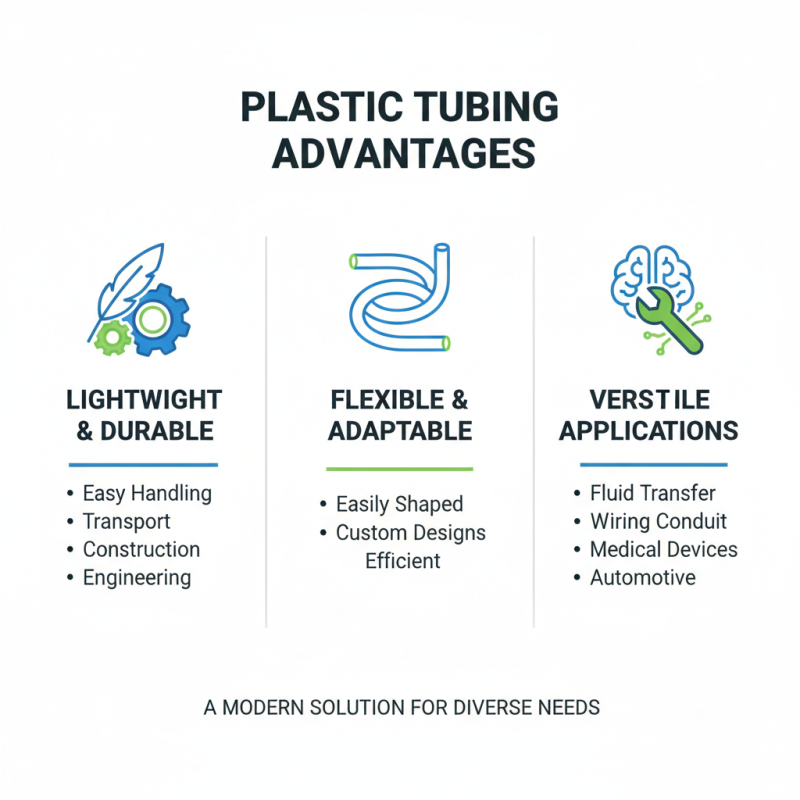
Plastic tubing is increasingly popular across various industries due to its many advantages. Lightweight yet durable, it is easy to handle and transport. This makes it ideal for use in construction and engineering projects. Additionally, plastic tubing is flexible and can be easily shaped to meet specific needs. This flexibility can lead to more efficient designs, but it also requires careful planning to avoid errors.
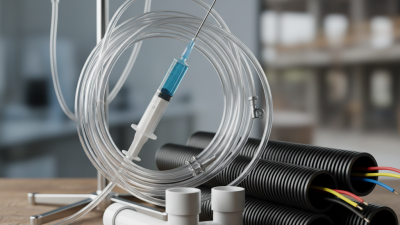
In the medical field, plastic tubing plays a crucial role. It is used for intravenous lines, catheters, and other applications. The material is typically non-reactive, which minimizes the risk of contamination. However, the choice of plastic type and thickness must be considered to ensure patient safety. Misjudgments here can have serious consequences.
Agriculture also benefits from plastic tubing. It is used for irrigation systems and chemical delivery. This provides farmers with the ability to control water supply. Yet, using plastic tubing without proper installation can lead to leaks. These issues require ongoing maintenance and regular checks. While the benefits are clear, a thoughtful approach is essential to maximize their potential.
Comparative Analysis: Plastic Tubing vs. Other Materials
Plastic tubing is gaining attention in various projects due to its unique benefits. When compared to metal, it’s lighter and easier to handle. It resists corrosion better, which is crucial for long-term use. Metal can rust and degrade, while plastic maintains its integrity longer. However, the flexibility of plastic can sometimes be a drawback. It may not handle high pressure as well as metal counterparts.
Another material often compared is rubber. Rubber offers excellent flexibility but lacks the durability of plastic in many environments. Plastic doesn’t degrade as easily, especially in harsh conditions. Yet, it can be less eco-friendly, raising concerns regarding sustainability.
Choosing the right material means weighing the pros and cons. Plastic tubing can fit many needs, but it might not be the best for all scenarios. Carefully consider the project requirements and environment. A deeper understanding will lead to better choices.
Why Choose Plastic Tubing for Your Next Project? - Comparative Analysis: Plastic Tubing vs. Other Materials
| Material |
Weight (g/m) |
Cost ($/m) |
Flexibility (mm) |
Durability (years) |
Chemical Resistance |
| Plastic Tubing |
50 |
0.30 |
20 |
10 |
Good |
| Metal Tubing |
120 |
2.00 |
10 |
20 |
Excellent |
| Rubber Tubing |
70 |
1.00 |
15 |
8 |
Good |
| PVC Tubing |
80 |
0.50 |
25 |
12 |
Fair |
Key Properties of Plastic Tubing for Optimal Performance
When considering materials for your next project, plastic tubing stands out for its unique properties. It offers exceptional flexibility, allowing it to bend in various directions without breaking. This is especially beneficial in tight spaces or complex system designs. The lightweight nature of plastic tubing also makes it easier to handle and transport, improving overall project efficiency.
Another key property of plastic tubing is its resistance to corrosion and chemicals. Unlike metal, plastic does not rust or degrade in harsh environments. This durability means less frequent replacements and lower maintenance costs. However, it’s crucial to assess the specific chemical compatibility to avoid unexpected failures. Some plastics may degrade when exposed to certain substances, which can lead to project delays or rework.
Moreover, plastic tubing can be produced in a variety of sizes and colors. This customization allows for easier recognition and organization in larger installations. However, it's essential to consider the trade-off between choices and potential inventory issues. Too many options can confuse, especially if clarity in project specifications is lacking. Selecting the right type can be challenging but is vital for optimal performance.
Applications of Plastic Tubing in Everyday Life
Plastic tubing is widely used in many aspects of daily life. From plumbing to medical applications, it serves a variety of purposes. Its flexibility allows for easy installation in tight spaces. This adaptability is beneficial in home renovations and repairs.
In gardening, plastic tubing can guide water or nutrients directly to plant roots. It's a simple solution for drip irrigation systems. By directing resources efficiently, it reduces waste and helps maintain healthy plants.
In medical settings, plastic tubing is crucial for delivering fluids and gases. It is often used in hospitals for feeding or administering medication. Despite its usefulness, quality control is important. Not all plastic tubing is made equally. Issues like leaks or chemical reactions may arise. Awareness of these potential issues can help ensure safe and effective use.
Factors to Consider When Selecting Plastic Tubing for Projects
When selecting plastic tubing for your project, consider its purpose. Different applications may require specific types of tubing. For instance, some projects need flexibility, while others need rigidity. Assess your project's needs carefully to make the best choice.
Tips: Always check the temperature and pressure ratings of the tubing. This will help ensure it can handle your project's demands without failure. Also, keep in mind that not all plastics are UV resistant. If your project will be outdoors, consider this factor.
Material is another critical consideration. Some plastics, like PVC, are durable and cost-effective. Others may be more appropriate for specific chemical applications. Choosing the wrong material could lead to leaks or damage. Reflect on the potential risks of your choice.
Tips: Look for tubing that is easy to cut and join. This can save time and reduce frustration during installation. Consider purchasing a small sample before committing to a large order. Mistakes can be costly, so testing beforehand is wise.
Why Choose Plastic Tubing for Your Next Project?
This chart illustrates the factors considered when selecting plastic tubing for projects, including durability, cost-efficiency, and flexibility.