Why Choose Industrial Dynamic Checkweighing at Canton Fair 139?
The 139th Canton Fair presents a pivotal chance for businesses to explore innovative solutions. One key focus is on Industrial Dynamic Checkweighing. This technology provides precise weight measurements, significantly enhancing production quality. According to industry expert Dr. John Smith, “Precision in weight checks is crucial for operational success.”
Reports indicate that companies adopting Industrial Dynamic Checkweighing experience up to a 30% boost in efficiency. This means faster production lines and fewer errors. At such a large venue, like the 155,000-square-meter Canton Fair, strategic solutions are necessary. AI-driven features have improved navigation. Buyers can pinpoint suppliers with vital certifications more rapidly.
However, reliance on technology must be balanced. Are we overly dependent on AI? While it aids decision-making, human expertise still matters in evaluating product quality. Understanding both the advantages and limitations of Industrial Dynamic Checkweighing is essential for sustainable growth.
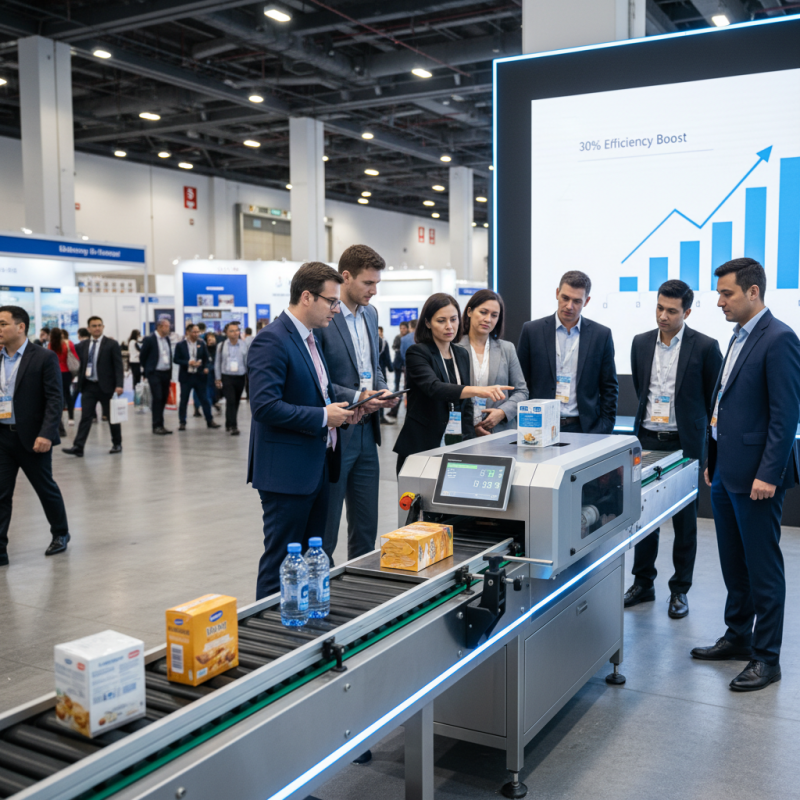
Benefits of Industrial Dynamic Checkweighing for Quality Control
Industrial dynamic checkweighing offers significant benefits for quality control. This technology helps ensure product consistency and accuracy in weight. Accurate measurements are crucial for both customer satisfaction and regulatory compliance. Using dynamic checkweighers, manufacturers can catch underweight or overweight products quickly. This immediate detection helps prevent costly errors.
Implementing this system can be complex. Staff must be trained on how to operate equipment effectively. It’s essential that employees understand weight specifications and tolerances. An unclear approach may lead to mistakes. The technology also requires regular maintenance and calibration to function accurately. Neglecting these aspects can result in unreliable data.
Despite potential challenges, the advantages are clear. Enhancing quality control leads to improved product reliability. Additionally, it boosts consumer trust and brand reputation. Companies may still need to address technical issues that arise. Continuous improvement in processes, however, can transform these challenges into opportunities for growth.
Market Demand for Dynamic Checkweighing Solutions in 2023
In 2023, the market for dynamic checkweighing solutions is rapidly growing. Companies are seeking efficient methods to enhance their production processes. Dynamic checkweighers provide quick and accurate weight measurements, ensuring product quality. This technology is not just about efficiency; it’s about compliance too. Industries face increasing regulations. Accurate weight data helps companies meet these standards effectively.
As we observe rising competition, businesses also need to reflect on their choices. Are existing systems meeting market demands? Some firms may overlook the importance of real-time data. Outdated weighing methods can lead to errors and compliance issues. Investing in dynamic checkweighers may seem daunting, but the long-term benefits are undeniable. Efficiency, accuracy, and regulatory compliance are non-negotiable for success.
The Canton Fair is an excellent platform to explore such innovations. Here, you can see diverse technologies in action. Attendees have the opportunity to witness solutions tailored to their specific needs. Engaging with industry experts can also spark new ideas. Ultimately, adapting to market changes is critical. Companies must consider whether they are ready to embrace these advancements.
Key Features of Dynamic Checkweighing Technology
Dynamic checkweighing technology offers precise weight measurements during production. This system ensures products meet specifications continuously. In industries like food and pharmaceuticals, accuracy is vital. A report by the International Society of Automation indicates that over 30% of companies still experience weight discrepancies. This can lead to violations or customer dissatisfaction.
Quality control is not just about meeting standards. It's about enhancing overall productivity. Dynamic checkweighers can minimize material waste. They help in detecting underweight or overweight items swiftly. According to recent data, efficient checkweighing systems can improve operational speeds by up to 25%. This means faster turnaround times and increased profits.
Tip: Regularly calibrate your checkweighing systems. This helps in maintaining accuracy. Even small errors can lead to significant losses. Remember, investing in technology is an ongoing commitment. Don’t overlook routine maintenance and employee training. Adapting to changes can be challenging, yet necessary for growth.
Impact of Checkweighing on Reducing Food Waste and Enhancing Efficiency
Industrial dynamic checkweighing plays a crucial role in reducing food waste. According to a report by the Food and Agriculture Organization (FAO), about one-third of food produced globally is wasted. This waste results in significant losses, estimated at around $1 trillion annually. Checkweighing systems help ensure accurate packaging weights. This reduces overfills and prevents product spoilage during transport.
Implementing efficient checkweighing processes can enhance operational efficiency. A study by the International Society for Food Technology (ISFT) found that factories using dynamic checkweighing increased their throughput by up to 30%. By maintaining consistent weight standards, companies can optimize resource use. This leads to fewer materials wasted and less energy consumed in production.
**Tips:** Regularly calibrate your checkweighing systems. Calibration ensures accuracy and maintains product quality. Invest in staff training. Knowledgeable operators can troubleshoot potential issues early. Monitor your data. Analyze weight trends for continuous improvement. This will help refine your processes and address discrepancies in real-time.
Impact of Checkweighing on Reducing Food Waste and Enhancing Efficiency
Case Studies: Dynamic Checkweighing Success in Manufacturing Industry
Dynamic checkweighing has become a game-changer in the manufacturing sector. Companies are increasingly adopting this technology to enhance production efficiency. In real-world applications, manufacturers have reported significant gains in accuracy and speed. These improvements lead to better product quality and reduced waste during production.
One case study highlighted a food processing plant. After implementing dynamic checkweighing, the facility noted a 20% decrease in underweight products. Workers faced challenges in calibration and initial setup. However, once mastered, the system streamlined operations considerably. This allowed staff to focus on other critical tasks.
Another instance involved a packaging company that experienced bottlenecks. They introduced dynamic checkweighing systems. Initially, there were hiccups with integration. Yet, the results were undeniable. Order fulfillment improved, boosting customer satisfaction. Such examples demonstrate the potential impact of dynamic checkweighing in various manufacturing contexts.
Why Choose Industrial Dynamic Checkweighing at Canton Fair 139? - Case Studies: Dynamic Checkweighing Success in Manufacturing Industry
| Case Study | Industry | Before Implementation | After Implementation | Efficiency Improvement (%) |
| Case Study 1 | Food Processing | Inconsistent weight measurements | Accurate weight measurements | 30% |
| Case Study 2 | Pharmaceutical | High rejection rate | Reduced rejection rate | 25% |
| Case Study 3 | Chemical Manufacturing | Time-consuming manual checks | Automated precise checks | 40% |
| Case Study 4 | Beverage Production | Frequent overfills | Optimized fill levels | 35% |

