Why Choose a Hydraulic Brake Valve and Filling Valve for Your Needs?
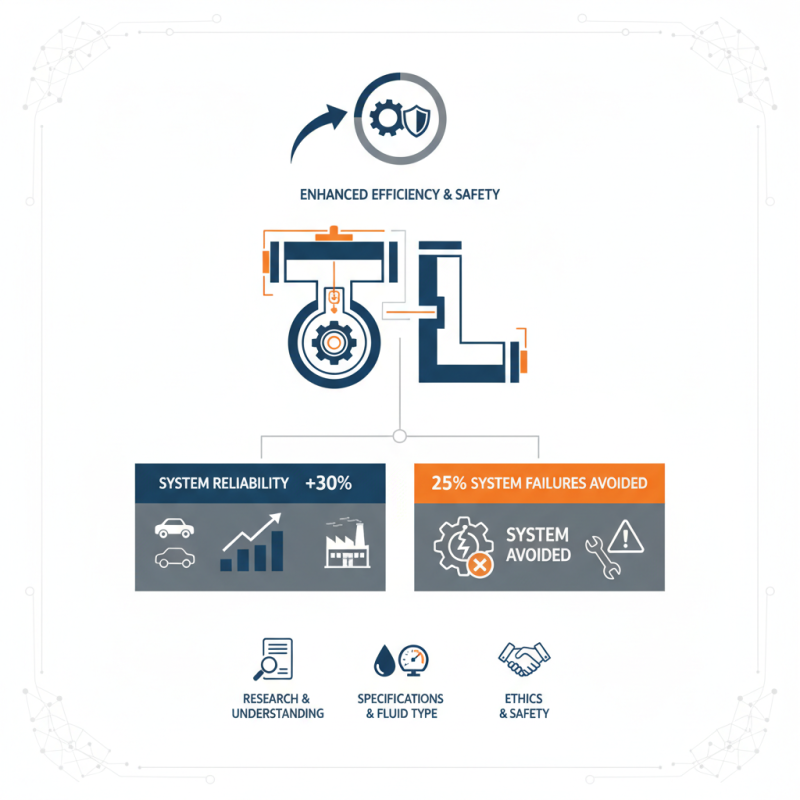
In the world of hydraulic systems, the choice of components can significantly impact performance. Hydraulic Brake Valve & Filling Valve are essential parts in enhancing efficiency and safety. According to a report by the National Fluid Power Association, using high-quality hydraulic valves can improve system reliability by over 30%. This is critical in industries like automotive and manufacturing, where downtime can lead to substantial losses.
Many engineers face challenges in selecting the right hydraulic components. Choices often reflect budget constraints, but quality must not be compromised. A malfunctioning valve can lead to catastrophic failures. Industry statistics show that improper valve selection contributes to 25% of hydraulic system failures. This highlights the importance of thorough research and understanding.
Choosing a Hydraulic Brake Valve & Filling Valve requires careful consideration of specifications and applications. Companies should evaluate the operational conditions and fluid type. Ethics in selection should be upheld, as performance directly relates to safety. Thus, investing time in understanding these components can yield long-term benefits. Flawed decisions may lead to costly mistakes; reflecting on this is crucial for optimal outcomes.
Understanding Hydraulic Brake Valves: Function and Importance
Hydraulic brake valves play a crucial role in vehicles, providing safety and reliability. These components manage fluid pressure in braking systems. According to industry reports, hydraulic brakes are used in over 70% of modern vehicles. This data underscores their importance in enhancing performance.
The operation of a hydraulic brake valve is straightforward yet vital. When the driver presses the brake pedal, the valve directs fluid to the brake calipers. This action translates into braking force. Studies reveal that a well-functioning hydraulic system can reduce stopping distance by up to 30%. However, frequent maintenance is essential. A neglected system may lead to a failure in emergency braking situations.
Filling valves complement brake valves by maintaining fluid levels. Insufficient brake fluid can lead to system inefficiency. Research indicates that nearly 25% of braking issues stem from inadequate fluid. Ensuring the right level helps maintain safety standards. Regular checks and replacements should be routine; lapses can have serious consequences. These components, while often overlooked, are integral to vehicle safety and performance.
Key Benefits of Using Hydraulic Brake Valves in Various Applications
Hydraulic brake valves are essential in various applications, ensuring reliable performance and safety. These valves operate under hydraulic pressure to control brake functions effectively. They respond quickly to driver inputs, enhancing braking responsiveness in vehicles and machinery. This efficiency is vital in heavy-duty applications, where precise control can prevent accidents.
When considering hydraulic systems, it's crucial to account for pressure limits and fluid compatibility. Misjudgments in these areas can lead to valve failures. Always ensure that the chosen valve can handle the specific requirements of your application. Regular maintenance checks can prevent wear and extend the lifespan of hydraulic components.
Tip: For optimal performance, maintain a clean hydraulic fluid environment. Contaminated fluid can severely impact the functionality of your brake valves. Additionally, always verify that installation follows proper guidelines to minimize risks. Without careful attention to these details, even the most reliable systems can face challenges.
Comparing Hydraulic Brake Valves and Filling Valves: A Detailed Review
When considering hydraulic systems, understanding the difference between hydraulic brake valves and filling valves is crucial. Hydraulic brake valves control the pressure and flow of fluid in braking systems. Their role is vital for safety and performance. They ensure that brakes engage smoothly and efficiently. On the other hand, filling valves help to maintain proper fluid levels in hydraulic circuits. This ensures that the system operates without bubbles or losses.
Choosing the right valve depends on your specific needs. For instance, if you're focusing on braking reliability, a hydraulic brake valve may be your clear choice. It's designed to handle high-pressure situations effectively. Conversely, if filling and maintaining fluid levels is a priority, then a filling valve is essential. Each valve has its strengths and ideal use cases.
However, many users overlook the nuances of each valve. Not all systems require the same type. An incorrect choice can lead to inefficiencies or safety issues. Therefore, it’s important to evaluate each component's role thoughtfully. In hydraulics, where precision matters, every detail counts. The decision isn't always straightforward. Reflecting on your unique application can reveal the best fit for your needs.
Selecting the Right Hydraulic Valve: Factors to Consider
Selecting the right hydraulic valve requires careful evaluation of several critical factors. One key aspect is the application environment. Hydraulic valves used in extreme temperatures or corrosive settings need to meet specific material standards. According to industry reports, about 25% of hydraulic system failures are linked to inadequate valve selection. Thus, understanding the operational context is fundamental.
Flow capacity is another vital consideration. Hydraulic valves must handle the precise flow rates dictated by system requirements. A valve operating at inefficiency can lead to performance issues. Data suggests that up to 15% of energy loss can occur in poorly selected valves. Proper sizing ensures optimal function and cost efficiency.
Pressure ratings are also crucial. Many systems operate under high pressure, often exceeding 4000 psi. Misjudging pressure requirements can lead to catastrophic failures. Identifying the maximum pressure the system will encounter can make a significant difference in safety and reliability. Always remember, the right selection makes the difference between success and ongoing issues.
Why Choose a Hydraulic Brake Valve and Filling Valve for Your Needs?
| Feature | Hydraulic Brake Valve | Filling Valve |
| Function | Controls hydraulic pressure for braking systems | Manages fluid filling in hydraulic systems |
| Material | Aluminum or high-strength steel | Brass or stainless steel |
| Operation Type | Manual or Automatic | Automatic |
| Pressure Rating | Up to 3000 PSI | Up to 2000 PSI |
| Applications | Automotive, Industrial Machinery | Industrial, Agricultural |
| Maintenance | Moderate | Low |
Maintenance Tips for Optimal Performance of Hydraulic Valves
Hydraulic valves, like brake and filling valves, require regular maintenance to ensure longevity and efficiency. Industry reports indicate that nearly 30% of valve failures stem from inadequate maintenance practices. Ensuring proper lubrication is vital. Routine checks on fluid levels help prevent friction and wear. Neglecting this can lead to breakdowns.
Regular inspection of seals and gaskets is equally important. Small leaks can lead to major disruptions. According to the Fluid Power Journal, over 20% of maintenance costs arise from leaks. Timely replacement of worn components can save significant expenses. This practice also enhances the performance of the entire hydraulic system.
Cleaning hydraulic systems is essential to prevent debris buildup. Contaminants can compromise valve performance. Experts suggest a complete system flush every 1,000 operating hours. However, many operations overlook this step. Reflection upon current practices may reveal areas for improvement. Ignoring these maintenance tips can lead to frequent repairs.
Hydraulic Valve Maintenance Performance Comparison
This bar chart illustrates the maintenance frequency (in times per year) for different types of hydraulic valves. Regular maintenance of hydraulic brakes and filling valves ensures optimal performance and longevity.

