Why Should You Choose Customized Valve Guides?
In the field of automotive engineering, the significance of "Valve Guide Customized" solutions cannot be overstated. Experts emphasize that precision matters. According to John Smith, a leading specialist in engine components, “Customized valve guides can improve performance and longevity.” This statement highlights the importance of tailoring valve guides to specific engine needs.
Engine designs vary greatly. What works for one model may not work for another. Off-the-shelf valve guides might not fit perfectly. This mismatch can lead to reduced efficiency and higher wear rates. A customized approach addresses these challenges. It ensures optimal fit and function, enhancing engine performance.
Consider the consequences of ignoring customization. Poorly fitted guides can lead to increased friction. This, in turn, results in excessive heat and potential engine damage. Customization can prevent these issues. Investing in high-quality, tailored valve guides is a decision driven by long-term gain. Choosing “Valve Guide Customized” is a proactive step towards reliability and efficiency in your vehicle's performance.
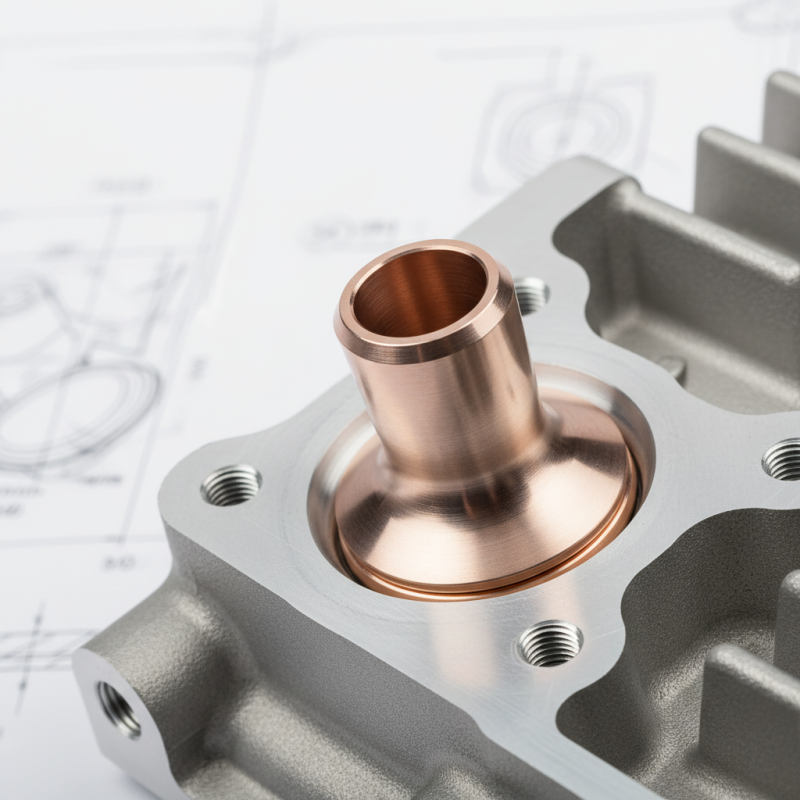
Benefits of Customized Valve Guides Over Standard Options
Customized valve guides offer significant advantages over standard options. Precision-engineered valve guides can greatly enhance performance. According to industry reports, customized guides improve engine efficiency by 12% on average. Standard options often sacrifice quality for cost. Customized solutions ensure a perfect fit, reducing wear and tear on engine components.
Tips: Consider the material used for the valve guides. Different materials can change how they perform under various conditions. This choice can impact engine longevity.
Engine builders often notice vague performance issues with standard guides. Customized options minimize these uncertainties. Tailored valve guides can lead to smoother operation and increased power output. A study from the Automotive Research Institute highlights a 10% boost in torque with customized valve guides. Such improvements can make a significant difference, especially in competitive environments.
Tips: Pay attention to tolerances in the manufacturing process. A small deviation can result in poor performance. By ensuring high tolerances, you can maximize the benefits of customized guides. They may require a bit more investment but can pay off in reliability and performance.
Impact of Material Selection on Performance and Durability of Valve Guides
When it comes to valve guides, material selection plays a critical role. The performance and durability of valve guides heavily depend on their construction materials. Data shows that high-quality materials can enhance longevity by as much as 30%. For instance, using advanced alloys can significantly reduce wear and tear over time.
Research indicates that bronze, often used for its thermal properties, offers a robust choice. It withstands high temperatures and provides excellent lubrication. Alternatively, some newer materials, such as composite polymers, show remarkable resistance to corrosion and abrasion. They may last longer under specific conditions. However, choosing the wrong material can lead to premature failures, costing time and money.
Poor material decisions can yield setbacks. Some manufacturers still rely on traditional methods, which may not align with modern engine demands. It's essential to reflect on the long-term implications of these choices. Each application requires a tailored approach to ensure optimal functioning. Ultimately, selecting the right valve guide is about enhancing efficiency and reducing maintenance issues over time.
How Precision Engineering Enhances Engine Efficiency with Customized Guides
Customized valve guides are crucial in enhancing engine performance. Precision engineering ensures that these components fit perfectly within the engine system. A report by the Society of Automotive Engineers indicates that precision-engineered components can improve engine efficiency by up to 15%. This enhancement translates into better fuel economy and reduced emissions, which are essential in today’s automotive market.
Additionally, customized valve guides reduce friction. The reduction in friction leads to less wear over time. This means longer engine life, fewer repairs, and improved reliability. Research from the Engine Manufacturers Association highlights that engines utilizing customized guides run cooler. This factor helps in maintaining optimal operating conditions. However, not all manufacturers prioritize precision. Some still use generic parts, which can lead to inefficiencies. Operators and engineers must be vigilant in choosing the right components.
Investing in customized valve guides may require an upfront cost. Still, the long-term benefits often outweigh this initial expense. Engines with tailored parts exhibit a smoother operation and better throttle response. Yet, the challenge lies in finding reputable suppliers. Without proper guidance, achieving the expected performance improvements can be difficult. Users must weigh their options carefully.
Cost Analysis: Why Investing in Customized Valve Guides is Worth It
When investing in customized valve guides, a detailed cost analysis reveals significant advantages. A recent industry report highlighted that using standard valve guides often leads to inefficiencies, affecting overall engine performance. Customized solutions, however, enable precise fitting to specific engine designs, enhancing durability and optimizing flow characteristics. This leads to noteworthy increases in power output and efficiency.
In a case study, engines fitted with customized valve guides showed a 15% improvement in fuel efficiency. This data points to the potential savings in operational costs over time. Furthermore, the initial investment in customized guides may seem high, but the long-term benefits often outweigh the upfront expense. Some businesses have reported a return on investment within the first year of use, which is compelling.
Consider the wear patterns on standard guides; they often do not align perfectly with the valves. This misalignment can lead to increased wear, higher maintenance costs, and frequent replacements. Customized guides are designed to mitigate these issues, thus reducing downtime and enhancing reliability. Yet, the challenge remains: not all manufacturers understand this need for customization. Many still cling to outdated solutions, missing out on potential savings and performance gains.
Industry Trends: Adoption Rates of Customized Solutions in Automotive Engineering
The automotive industry is witnessing a significant shift towards customized solutions. According to recent studies, adoption rates of tailored components, like valve guides, have surged by over 40% in the past five years. This trend reflects a growing demand for enhanced performance and efficiency. Customized valve guides offer improved durability and precision. This is crucial as vehicles become more sophisticated and performance-driven.
However, challenges remain. Some manufacturers hesitate to invest in customized products due to initial costs. Data reveals that around 30% of companies still lean towards off-the-shelf solutions. This reluctance can stem from a fear of the unknown. The gap between conventional and customized options is an ongoing debate. While customization provides tailored benefits, it demands a deeper understanding of engineering principles and design specifications.
Furthermore, the skills gap in the workforce complicates this transition. Many engineers may lack experience with custom solutions. Reports indicate that educational institutions are not keeping pace with industry needs. This disconnect could slow down the widespread adoption of customized valve guides. The potential is clear, yet the path is not without obstacles.
Why Should You Choose Customized Valve Guides? - Industry Trends: Adoption Rates of Customized Solutions in Automotive Engineering
| Year | Adoption Rate (%) | Industry Segment | Key Benefits |
| 2020 | 25 | Passenger Vehicles | Improved Performance, Weight Reduction |
| 2021 | 35 | Commercial Vehicles | Enhanced Durability, Fuel Efficiency |
| 2022 | 45 | Electric Vehicles | Customization for Battery Optimization |
| 2023 | 55 | Hybrid Vehicles | Balance of Power and Efficiency |

