Why Choose Carbon Fiber Pipe for Your Next Project?
In today's competitive market, choosing the right materials can make all the difference. Carbon Fiber Pipe stands out for its unique properties. Experts like Dr. Jane Thompson, a leader in composite materials, emphasize its advantages. She noted, "Carbon Fiber Pipe offers unmatched strength-to-weight ratios that can redefine engineering solutions."
Many industries are turning to Carbon Fiber Pipe for its lightweight, high tensile strength, and resistance to corrosion. These pipes significantly reduce overall project weight, leading to easier handling and installation. Additionally, their durability means lower maintenance costs over time. However, some professionals remain skeptical about the initial investment. They wonder if the long-term benefits truly outweigh the upfront expenses.
As the industry grows, it is essential to reflect on these considerations. Evaluating the performance benefits against traditional materials requires a thoughtful approach. The evolution of technology brings new challenges and opportunities alike. Finding the right balance will ultimately define the future of projects using Carbon Fiber Pipe.
Benefits of Using Carbon Fiber Pipe in Various Applications
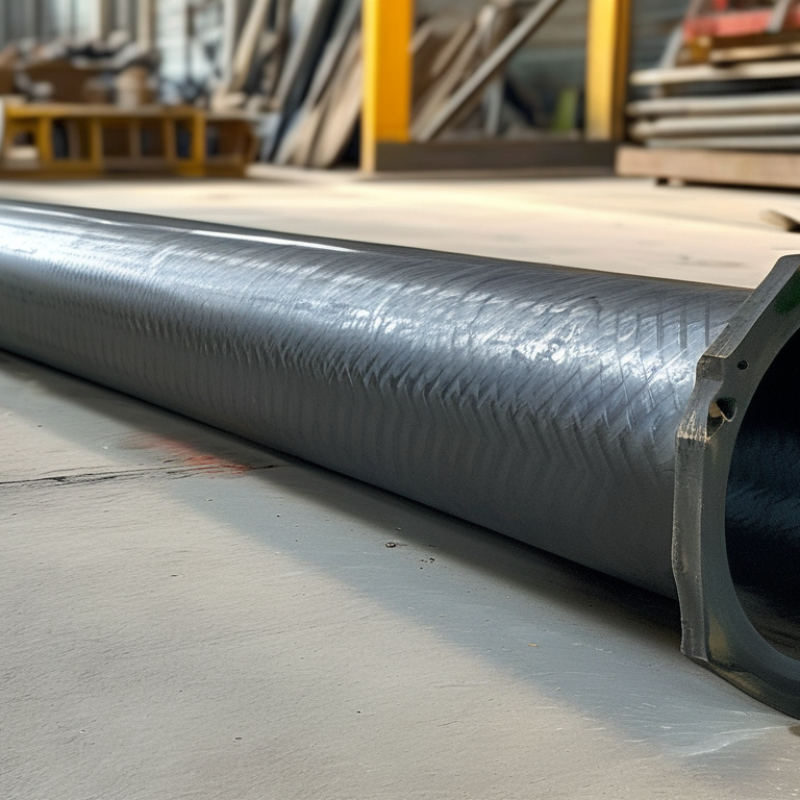
Carbon fiber pipes offer remarkable advantages for a variety of applications. With a strength-to-weight ratio exceeding that of steel, these pipes provide enhanced durability while remaining lightweight. According to a report by the Composites Market Research, the carbon fiber composites market is anticipated to grow by over 10% annually. This growth reflects the increasing preference for materials that improve energy efficiency and performance.
The corrosion resistance of carbon fiber is another critical benefit. In industries ranging from aerospace to marine applications, these pipes reduce maintenance costs significantly. A study by the Manufacturing Technology Research Institute noted that carbon fiber pipes can last up to three times longer than traditional materials in corrosive environments. This longevity contributes to lower lifecycle costs, a crucial factor in project management and budgeting.
Despite their advantages, challenges remain. Carbon fiber pipes can be more expensive upfront compared to conventional materials. This high initial cost may deter some projects, requiring cost-benefit analysis. Furthermore, while manufacturing methods have improved, issues regarding uniformity and structural integrity still exist. Addressing these concerns is vital for wider adoption in mainstream applications. The evolving technology promises advancements that could overcome these hurdles in the near future.
Understanding the Properties of Carbon Fiber Materials
When considering materials for your next project, carbon fiber stands out due to its remarkable properties. This composite material is known for its high strength-to-weight ratio. It is incredibly strong yet lightweight, making it ideal for various applications. The flexibility of carbon fiber allows it to be molded into complex shapes, enhancing design versatility.
Carbon fiber's resistance to corrosion adds to its appeal. Unlike metals, it does not rust or degrade under harsh conditions. This quality ensures durability over time, reducing maintenance needs. Furthermore, carbon fiber possesses excellent thermal stability, making it effective in extreme temperatures. However, while it offers many advantages, the production process can be costly and complex, leading to ongoing reflections on cost-effectiveness for various applications.
In practical terms, the toughness of carbon fiber can prevent mechanical failures in critical components. Yet, its inherent brittleness demands careful handling during fabrication and installation. Understanding these nuances is vital for anyone considering carbon fiber. Balancing its strengths with potential drawbacks requires careful thought. Choosing carbon fiber might lead to innovative solutions, but one must tread thoughtfully on this path.
Why Choose Carbon Fiber Pipe for Your Next Project?
| Property | Value | Benefits |
| Tensile Strength | Around 500 MPa | High strength-to-weight ratio, suitable for load-bearing applications |
| Weight | Lightweight (1.6 g/cm³) | Reduces overall project weight and associated costs |
| Corrosion Resistance | Excellent | Longer lifespan in harsh environments |
| Flexural Strength | Over 400 MPa | Resistant to bending and deforming under stress |
| Thermal Stability | High temperature resistance (up to 300°C) | Suitable for high-temperature applications |
Comparative Analysis: Carbon Fiber Pipe vs. Traditional Materials
Carbon fiber pipe is gaining traction as a superior alternative to traditional materials like steel and PVC. According to a recent market analysis, carbon fiber composites are approximately five times stronger than steel yet weigh significantly less. This strength-to-weight ratio allows for easier handling and installation, making it ideal for various applications, from aerospace to marine.
However, it's essential to consider the costs. Carbon fiber materials are often more expensive upfront compared to traditional options. A report from the Composites Manufacturing Association indicates that while carbon fiber may have a higher initial investment, its long-term durability and lower maintenance costs can lead to overall savings. This shift towards carbon fiber is reflected in growing industry adoption; the carbon fiber pipe market is projected to reach $3 billion by 2028, showcasing its increasing relevance.
Tips: When evaluating material options, always consider your project's specific requirements. Think about structural needs, weight constraints, and long-term costs. Don't overlook the installation processes either—some may require specialized skills and tools. This can add to the overall project timeline and budget.
Cost-Effectiveness and Longevity of Carbon Fiber Pipe
Carbon fiber pipes are an excellent choice for various projects due to their cost-effectiveness and long lifespan. These pipes may have a higher initial price compared to traditional materials. However, their durability offsets this cost over time. They resist corrosion and wear, making them ideal for demanding environments. This longevity means fewer replacements, saving on future expenses.
Many industries, including construction and automotive, benefit significantly from carbon fiber pipes. Their lightweight nature reduces transportation costs and installation time. Additionally, they offer superior strength, allowing for more efficient designs. However, transitioning to this material can be challenging. Some professionals may be hesitant due to familiarity with conventional materials. This apprehension can hinder progress and innovation in design.
When considering carbon fiber pipes, it’s vital to weigh both their advantages and potential drawbacks. While the upfront investment may be daunting, the long-term benefits are substantial. Not every project is suited for carbon fiber; evaluate the specific needs and challenges. This reflection can lead to better decision-making and project outcomes.
Applications and Industries That Can Benefit from Carbon Fiber Pipe
Carbon fiber pipes are gaining popularity across various industries due to their unique properties. They are lightweight yet incredibly strong, making them ideal for applications where minimizing weight is crucial. Aerospace and automotive sectors greatly benefit from these pipes, allowing for more efficient fuel consumption and better performance. In construction, carbon fiber pipes offer superior corrosion resistance, which leads to longer-lasting structures.
In oil and gas, these pipes are replacing traditional materials. Their durability contributes to safer operations and reduced maintenance costs. The chemical industry also utilizes carbon fiber pipes. The ability to handle harsh environments can enhance system reliability. In such applications, the improvements in material performance can translate into significant cost savings over time.
Tips: When considering carbon fiber pipes, assess the specific needs of your project. Evaluate factors like pressure ratings, chemical compatibility, and temperature ranges. Collaborating with experienced professionals ensures proper selection and installation. Be aware that while carbon fiber is beneficial, it may require specialized handling. Take time for accurate assessment to avoid costly mistakes.

