China Best Industrial Vision Inspection Solutions for 2026 Canton Fair?
The 2026 Canton Fair is set to showcase cutting-edge advancements in various industries, including Industrial Vision Inspection solutions. As manufacturers and suppliers gather from around the globe, the fair will highlight the growing importance of quality control measures in production. With a keen focus on advanced manufacturing and machinery, new technologies will take center stage.
Among the key features this year is the integration of AI, which transforms the way businesses interact. From efficient supplier searches to precise navigation within the expansive exhibition halls, AI enhances efficacy. But as these technological solutions emerge, some aspects demand careful consideration. The reliability of AI-driven inspections must be scrutinized. Can these systems truly match the judgment of experienced professionals?
In this vibrant atmosphere, Industrial Vision Inspection represents not just progress, but a challenge. Suppliers must adapt to new demands while ensuring quality remains uncompromised. The balance between innovation and trust will shape the future of industrial practices at this iconic trade fair. The potential for AI to revolutionize inspection processes is enormous, yet it invites reflection on human oversight and responsibility.
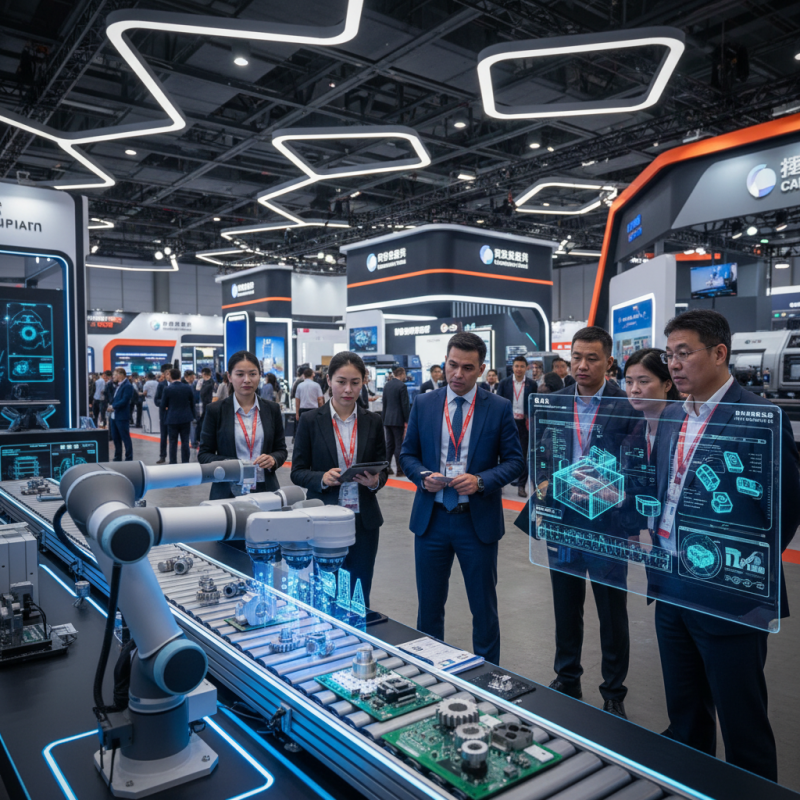
Top Trends in Industrial Vision Inspection for 2026
As the 2026 Canton Fair approaches, industrial vision inspection technology is rapidly evolving. Companies are increasingly relying on automated inspection systems. These systems enhance efficiency and accuracy. In sectors like manufacturing and food safety, precision is paramount. Yet, there are challenges to consider.
A top trend is the integration of artificial intelligence. AI can analyze vast amounts of visual data. This leads to quicker decision-making. However, reliance on AI raises concerns about data biases. Inaccurate training data can skew results. This issue warrants careful attention. Additionally, there is a growing need for human oversight. Machines can miss subtle defects that a trained eye can catch.
Another trend is the miniaturization of inspection devices. Smaller, more portable systems are gaining popularity. These devices offer flexibility on the production floor. Yet, their small size can limit capabilities. Users must balance portability with functionality. As the industry matures, striking this balance becomes essential. These reflections highlight the complexities in adopting new technologies. With careful consideration, businesses can navigate this evolving landscape effectively.
Key Players in China's Industrial Vision Technology Sector
China's industrial vision technology sector is evolving rapidly. Key players are focusing on enhancing automation and inspection efficiency. This technology uses advanced cameras and algorithms to detect defects. The popularity of AI integration is notable, attracting various industries like electronics and automotive.
Many companies are presenting innovative solutions at events like the Canton Fair. Their products aim to streamline quality control processes. However, there are challenges. Some technologies lack the versatility needed for different manufacturing environments. Additionally, budget constraints hinder smaller businesses from adopting these solutions. Feedback from users suggests a need for improved user interface designs.
Collaboration among companies could lead to better outcomes. Sharing expertise may strengthen the overall sector. Workshops and seminars can facilitate knowledge exchange. As the industry grows, addressing these imperfections will be key to maintaining progress. The 2026 Canton Fair will likely showcase these developments, making it a focal point for industry enthusiasts.
Industrial Vision Inspection Solutions Market Share (2023-2026)
Innovative Solutions Showcased at the 2026 Canton Fair
The 2026 Canton Fair promises to showcase innovative industrial vision inspection solutions. Manufacturers are focusing on automation and AI. These technologies enhance quality control dramatically. Visitors can expect state-of-the-art systems that analyze products in real-time. This will streamline processes and reduce errors.
Tips: When attending, look for interactive demos. Engaging with the technology can provide deeper insights. Note that some solutions may not integrate seamlessly with existing systems. Compatibility is crucial for maximizing efficiency.
Another highlight is the sustainability aspect. Many solutions emphasize eco-friendly practices. Reducing waste in production is vital for responsible manufacturing. However, be aware that not all “green” solutions are perfect. Some may require adjustments to meet industry standards. Stay informed on best practices in this area.
Impact of AI and Automation on Vision Inspection Systems
The rise of AI and automation is reshaping vision inspection systems. In factories, these systems streamline quality control. They increase speed and accuracy, reducing human error. However, reliance on technology can have its drawbacks. Machines may overlook subtle defects that a human eye could catch.
Automation introduces complexities. Adjustments in the machine learning algorithms can lead to unexpected results. Training these systems requires extensive data, and not all environments provide it. Sometimes, the outcomes seem flawless, but the real-world applications reveal gaps in effectiveness. The balance between efficiency and accuracy is a constant challenge.
As we approach the 2026 Canton Fair, the industry must reflect on these developments. It’s crucial to acknowledge the potential pitfalls of over-automation. Companies need to enhance human oversight in their processes. A collaborative approach between machines and humans could be the key. Embracing this hybrid model might lead to new, innovative solutions.
Future Challenges and Opportunities in Industrial Vision Inspection
The landscape of industrial vision inspection is rapidly evolving. With advancements in AI and machine learning, businesses face both challenges and opportunities. Companies need reliable systems that can enhance quality control. However, these technologies must be integrated seamlessly into existing processes. The gap between traditional methods and cutting-edge solutions is vast. Many manufacturers hesitate to adopt new systems due to initial costs and complexity.
Moreover, the skills gap poses a significant hurdle. As technology advances, workers must adapt. Training programs become imperative. Effective communication between engineers and operators is essential. Implementing feedback loops can help identify weaknesses in current systems. Striving for continuous improvement is crucial. Yet, not all organizations are ready for such shifts.
The future promises innovation, yet it also requires reflection. Companies must evaluate past failures to ensure better outcomes. Expectations for automation are high, but implementation needs careful planning. Vision inspection systems must be user-friendly. Employees play a crucial role in this transition. Their input could lead to more practical solutions. Embracing challenges today can pave the way for success tomorrow.

